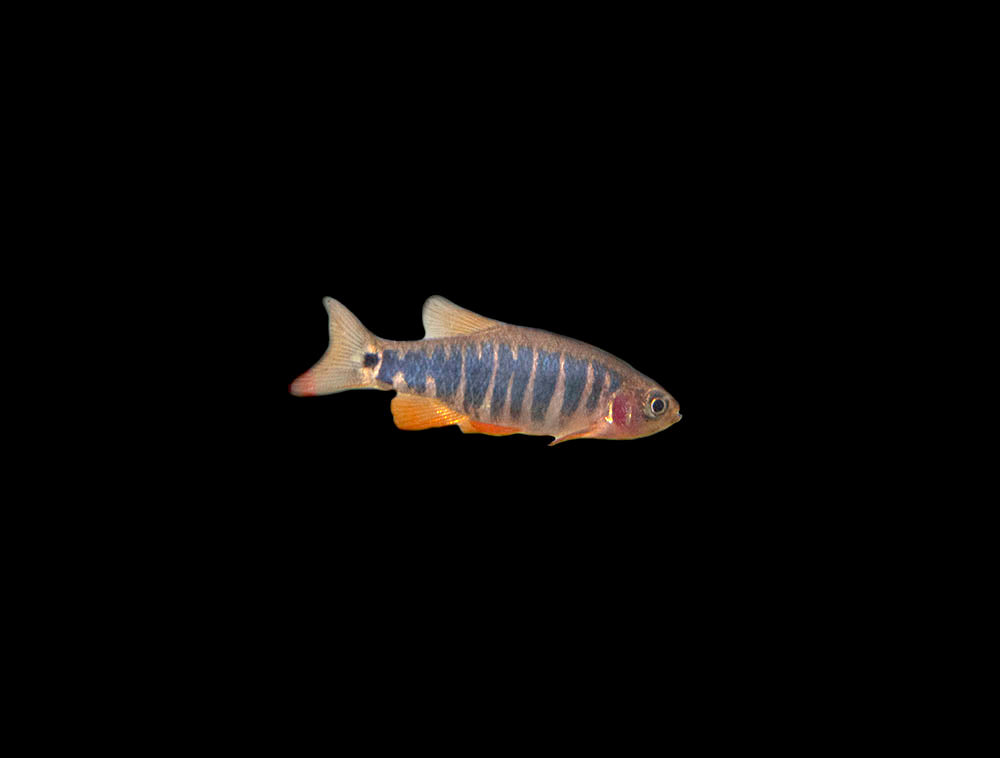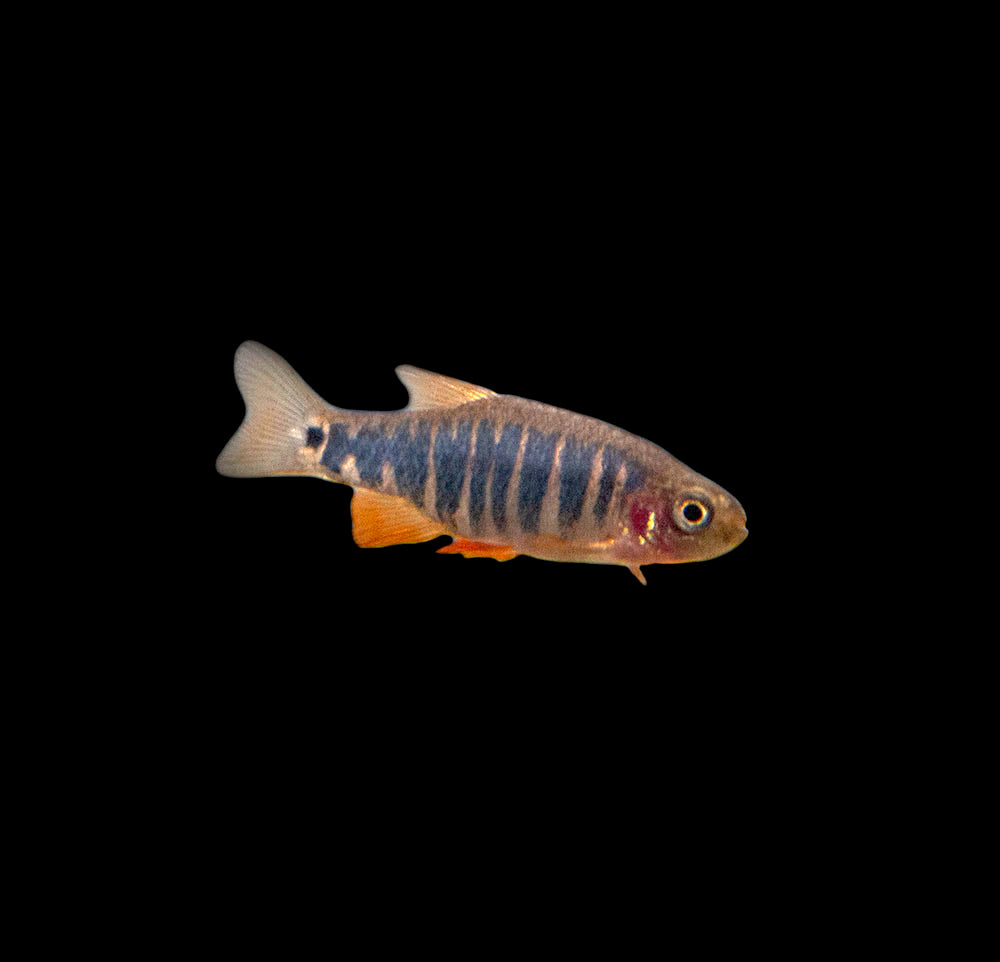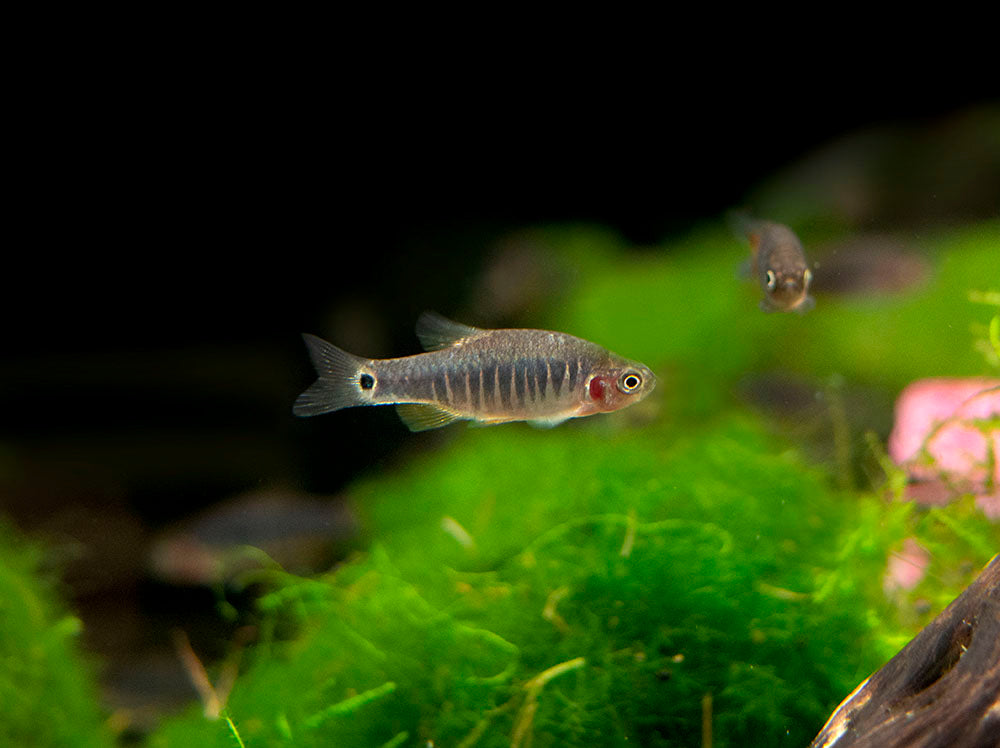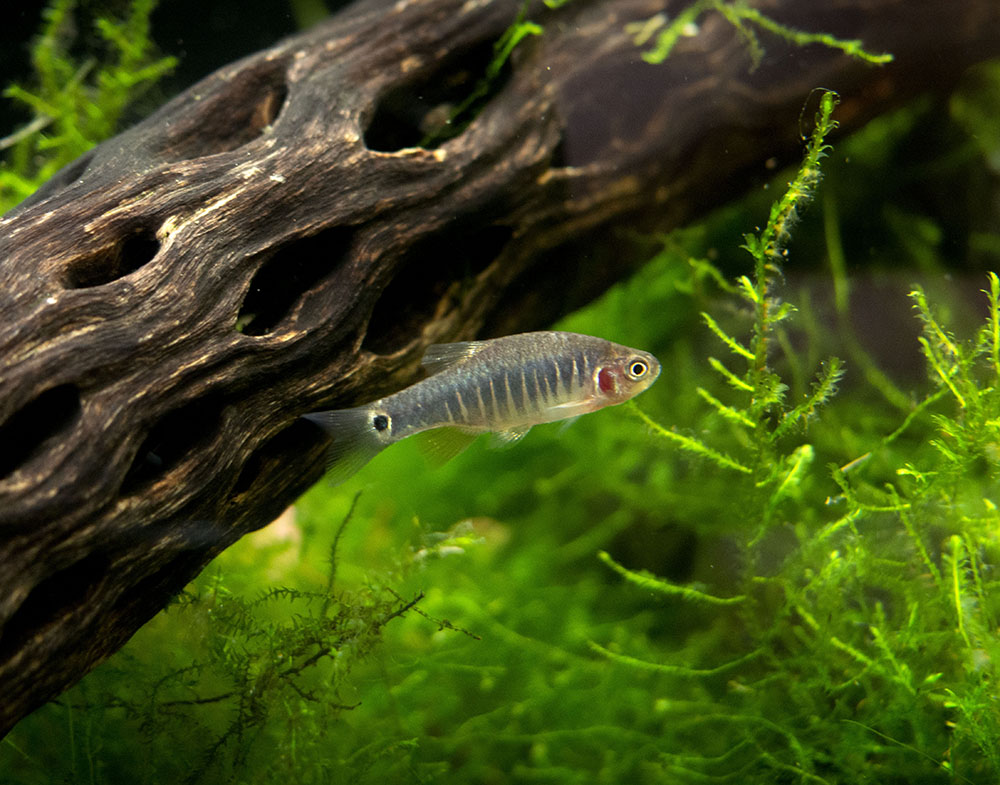


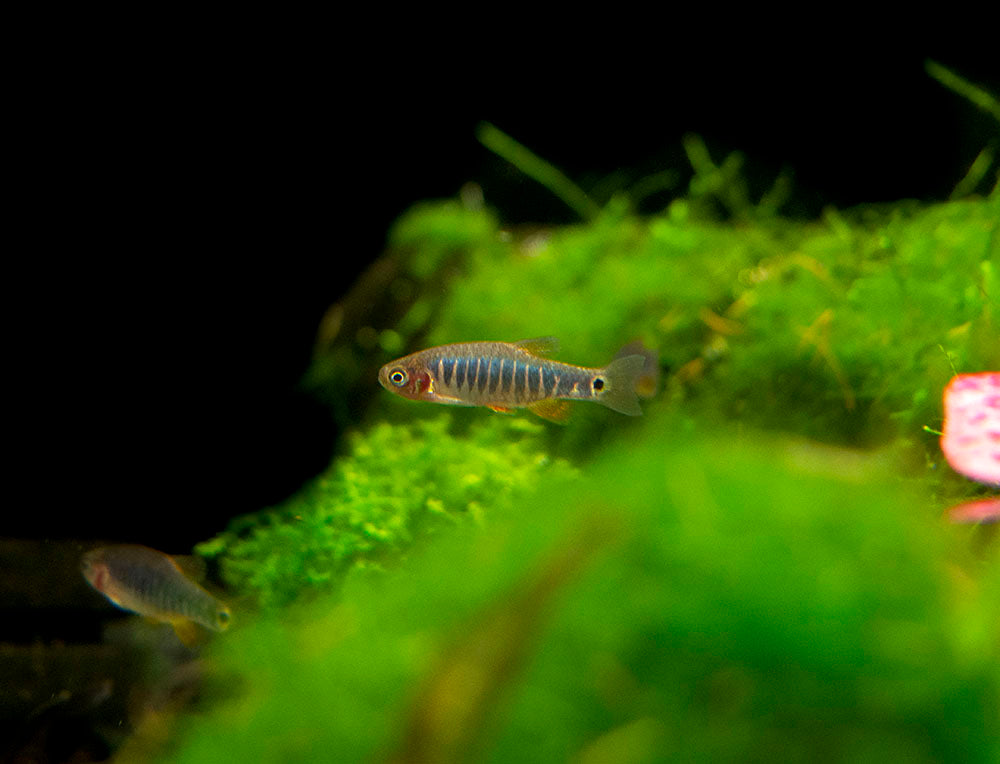

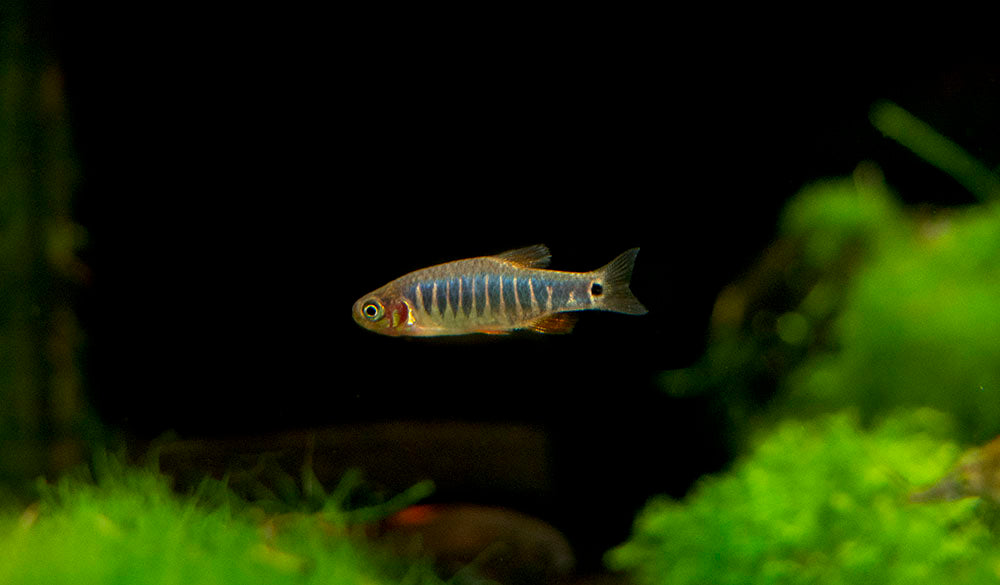
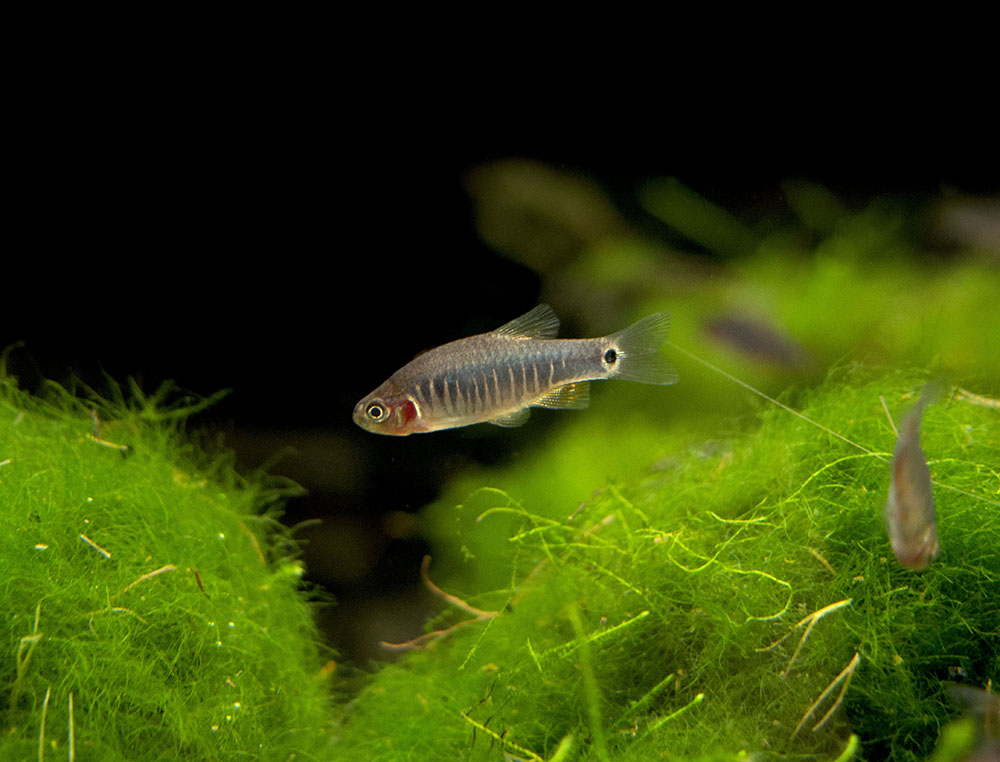
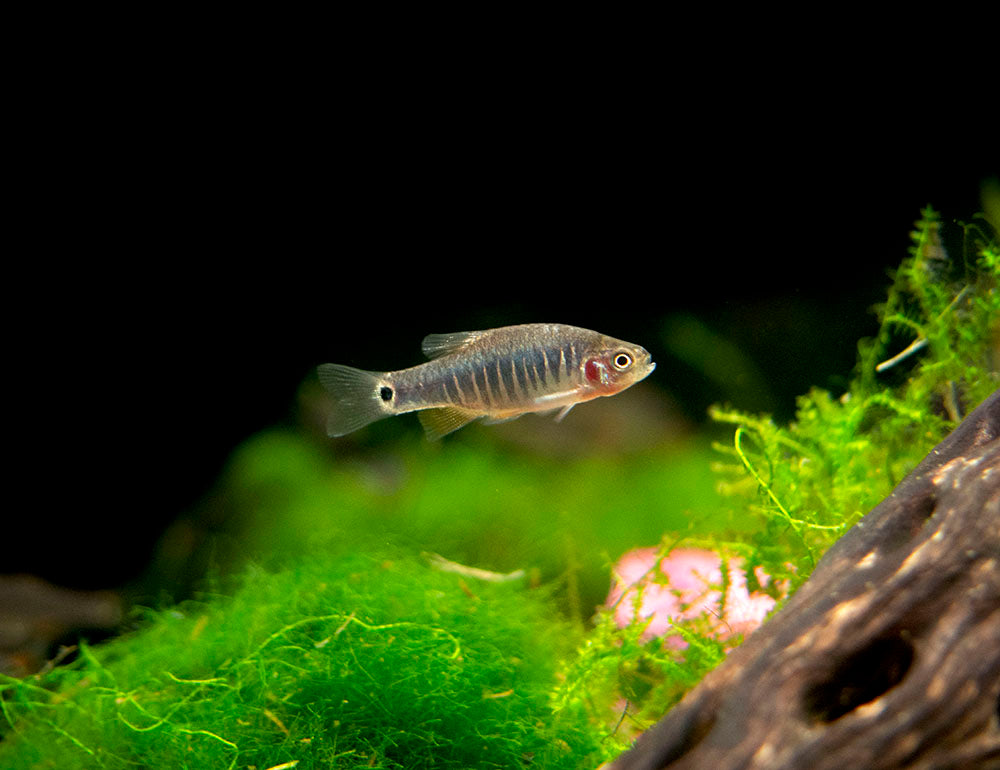

Emerald Dwarf Rasbora (Celestichthys erythromicron), Tank-Bred
- In stock, ready to ship
- Backordered, shipping soon
* For the safety of our animals, we now ship live fish exclusively via UPS Next Day Air. If your order contains this item, you will only see UPS Next Day Air as a shipping option during checkout *
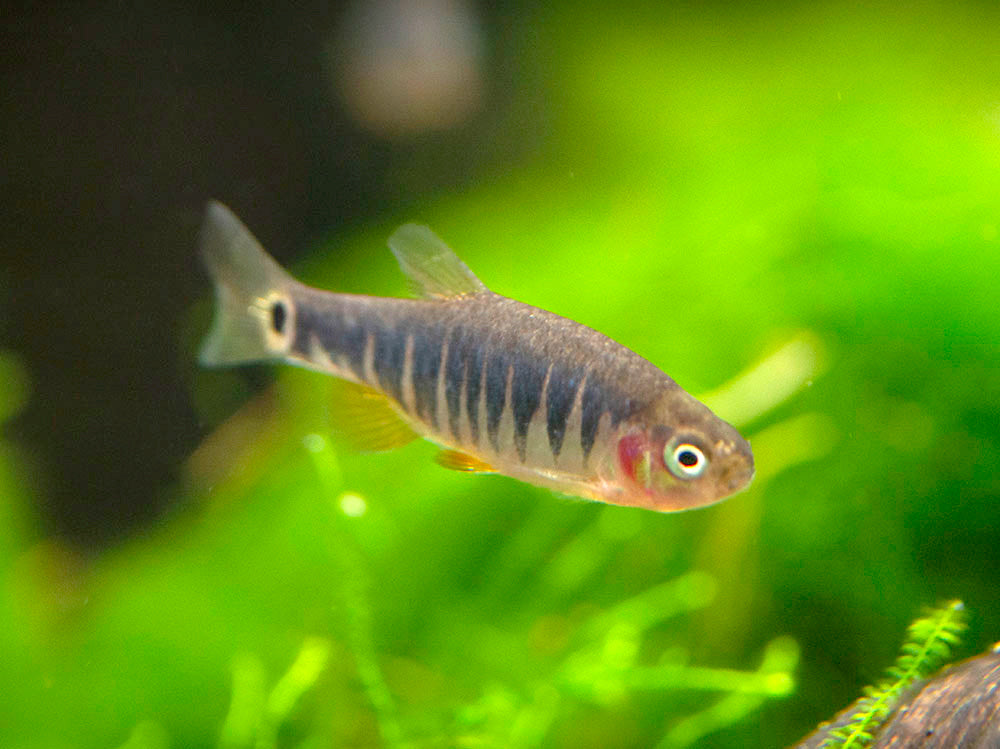
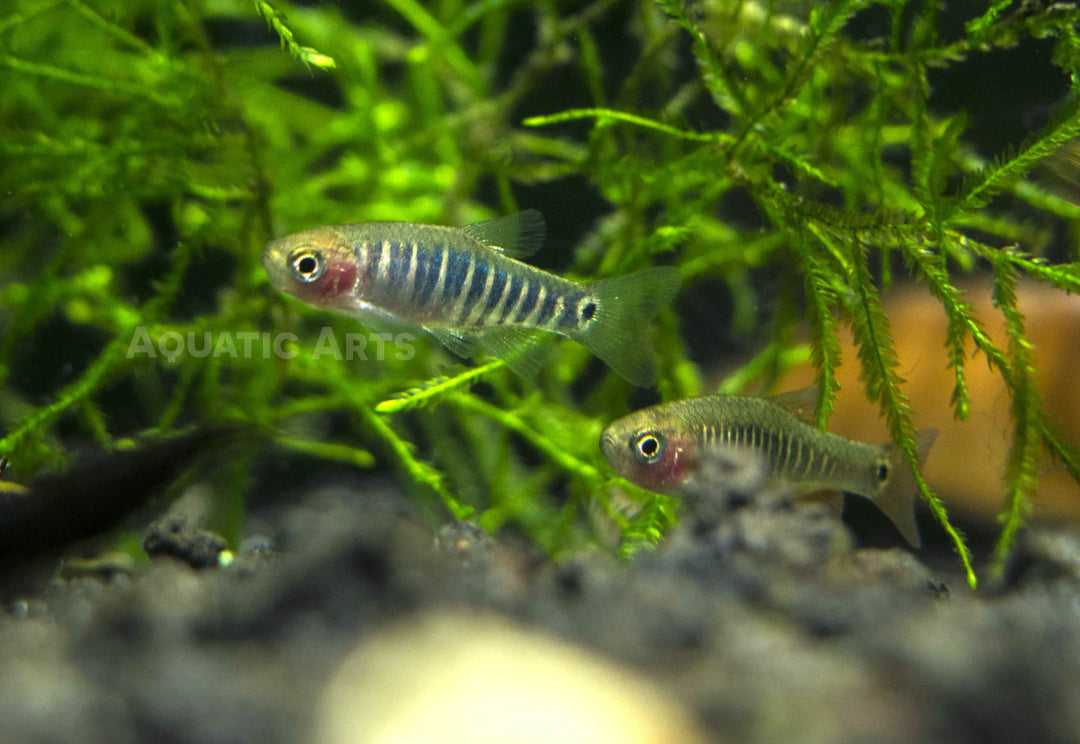
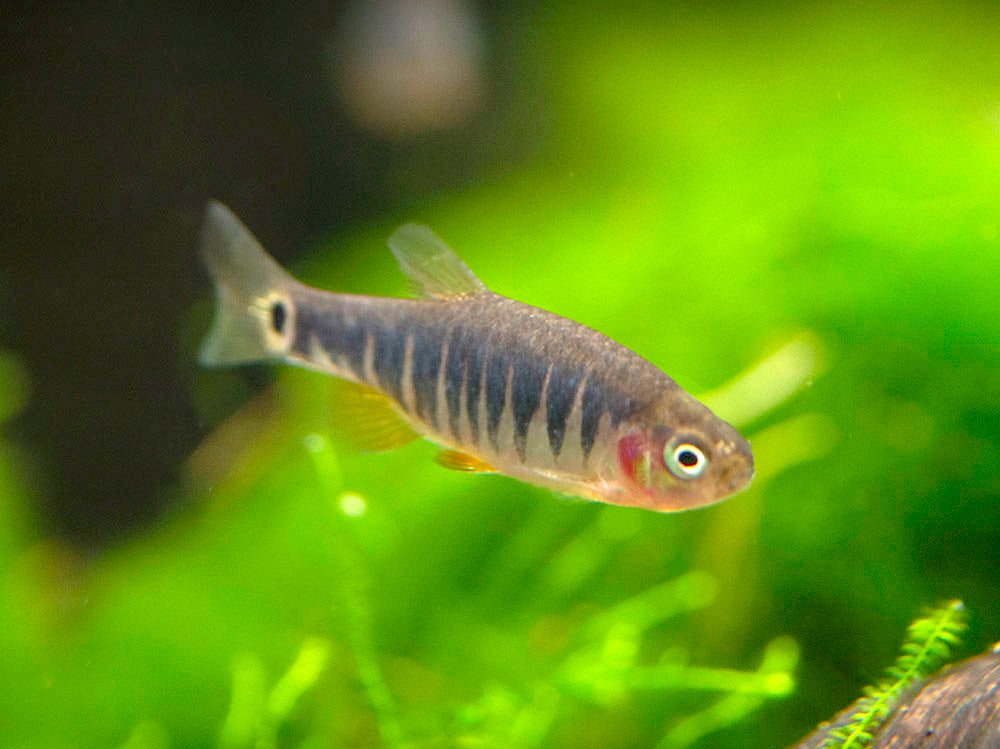
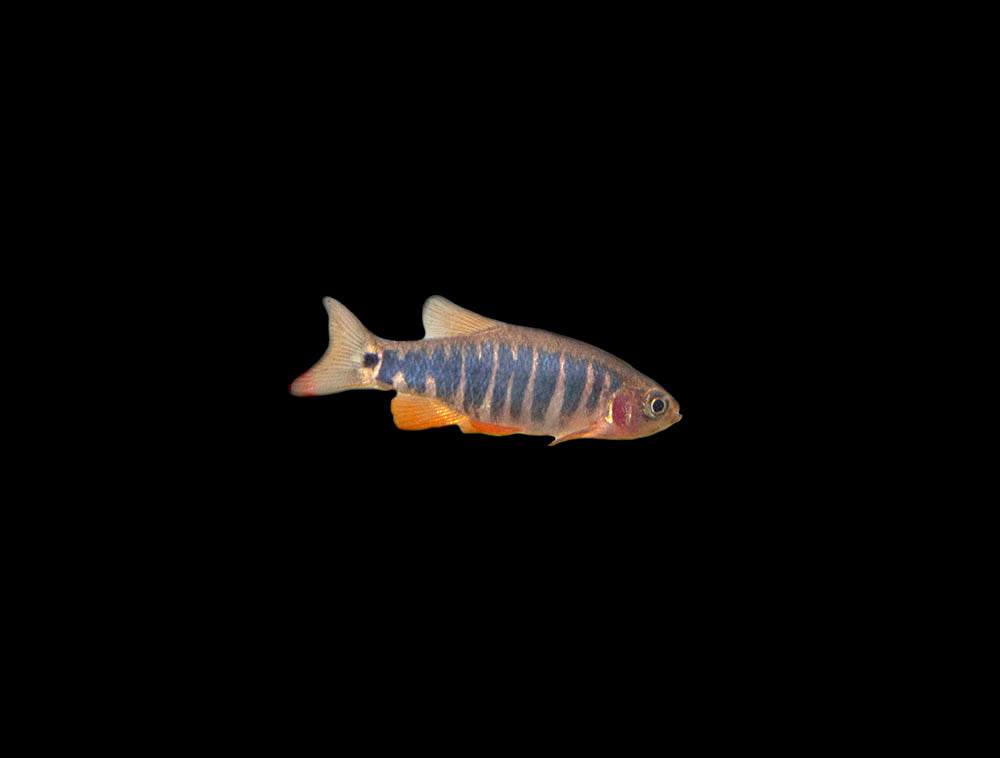
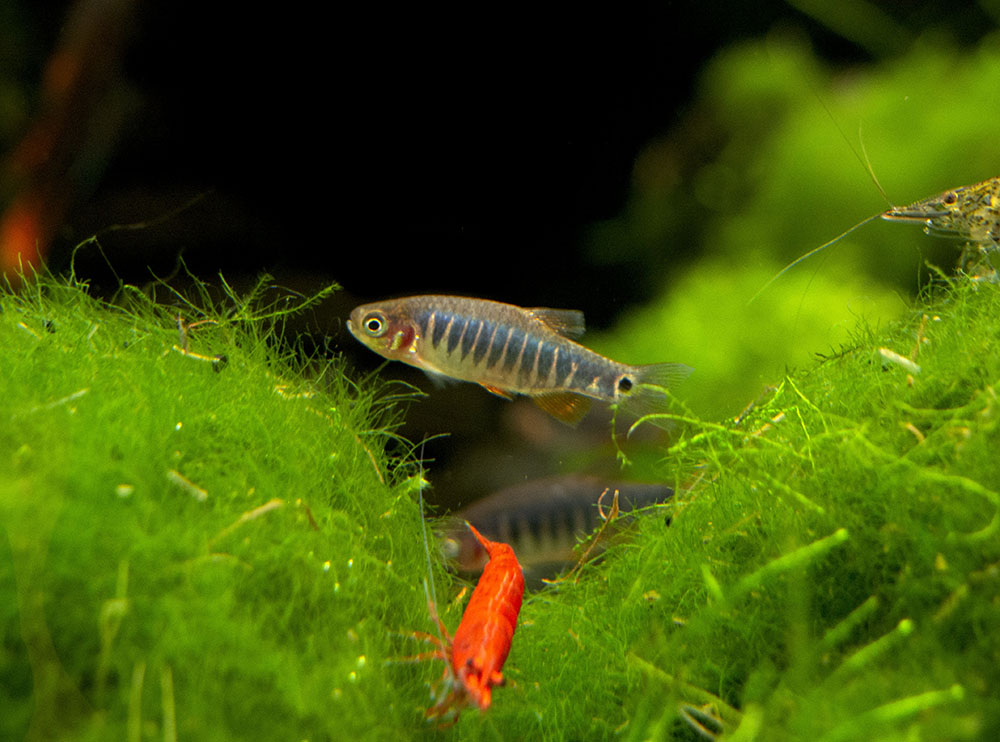
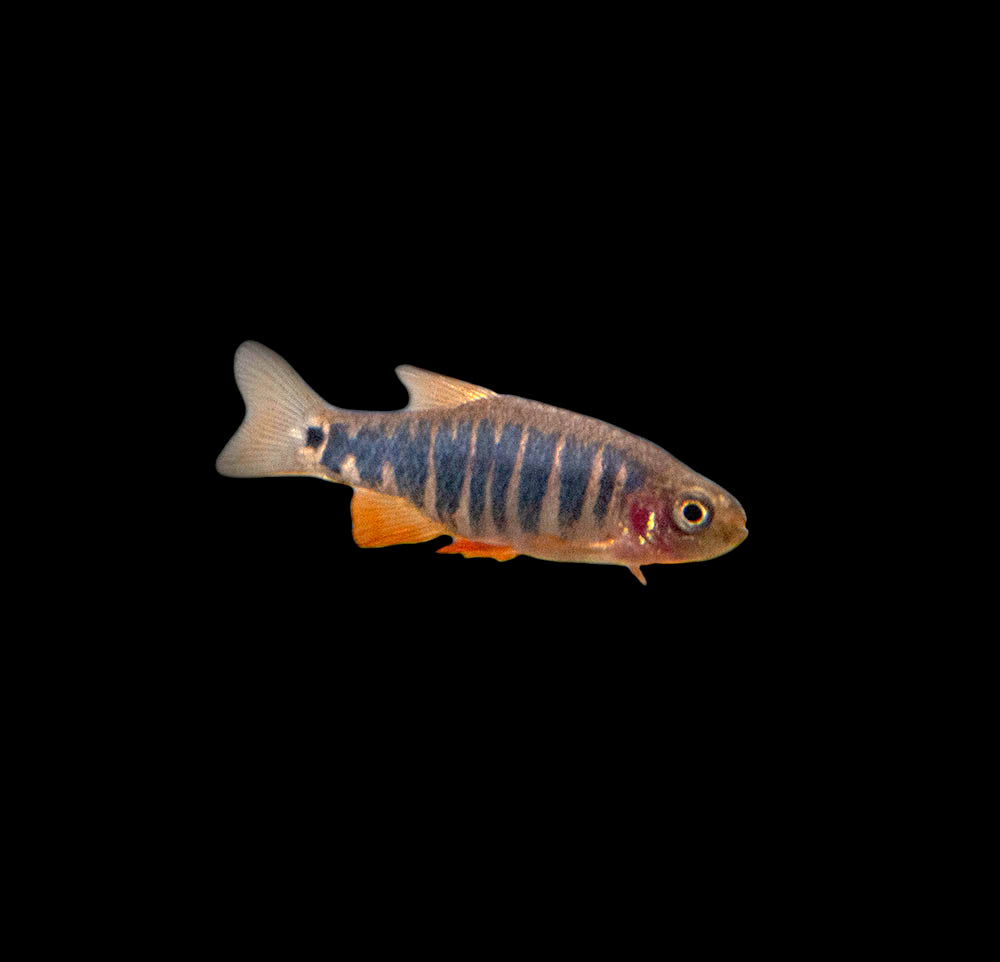
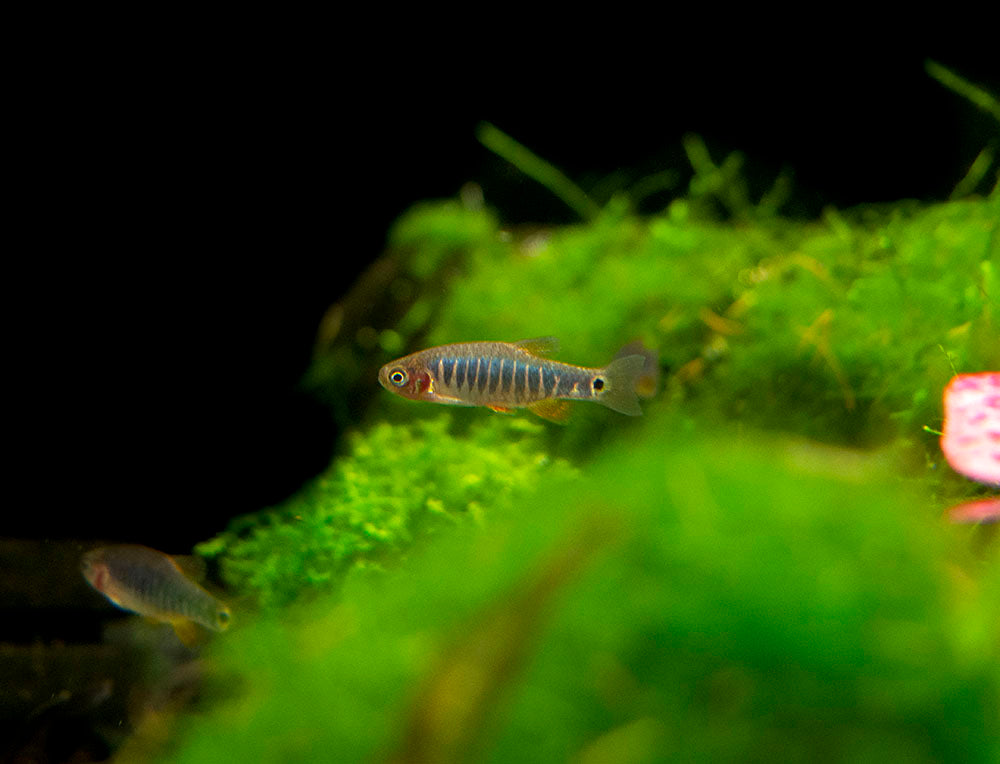
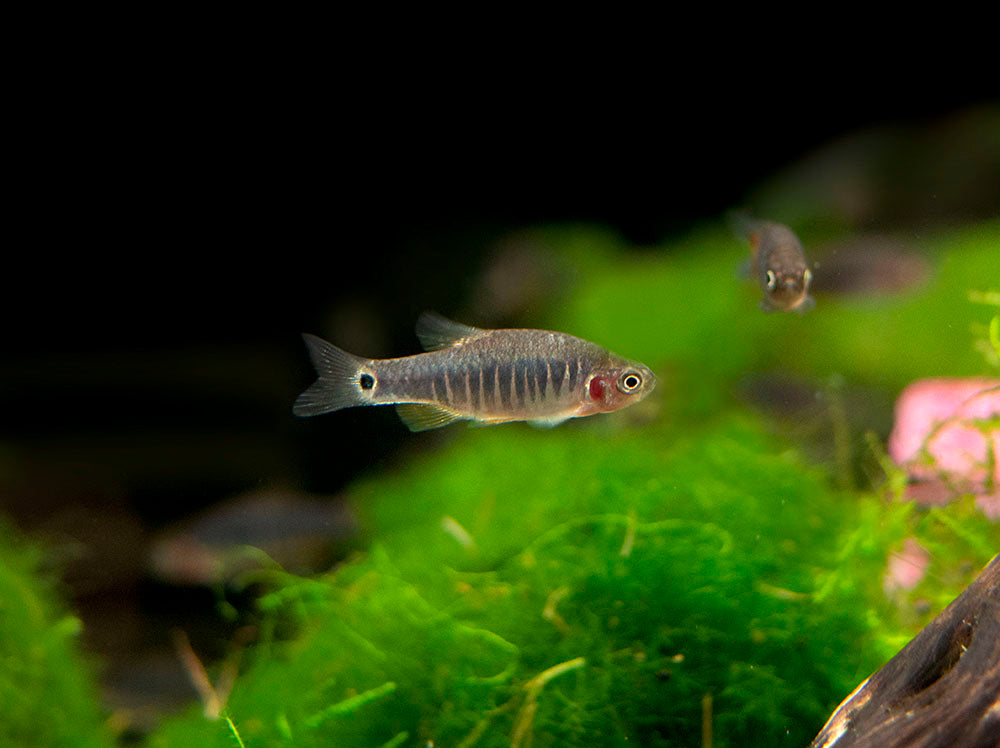
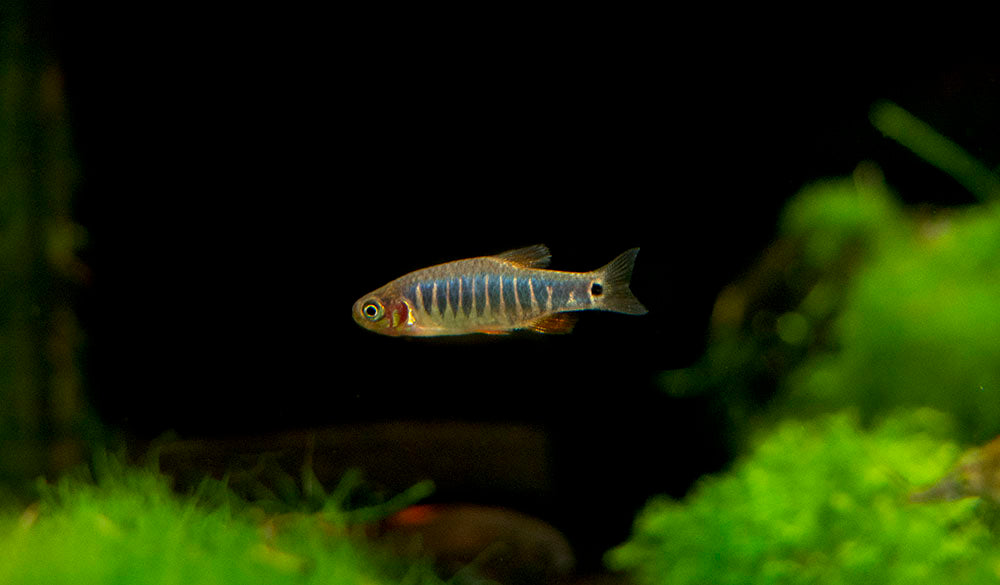
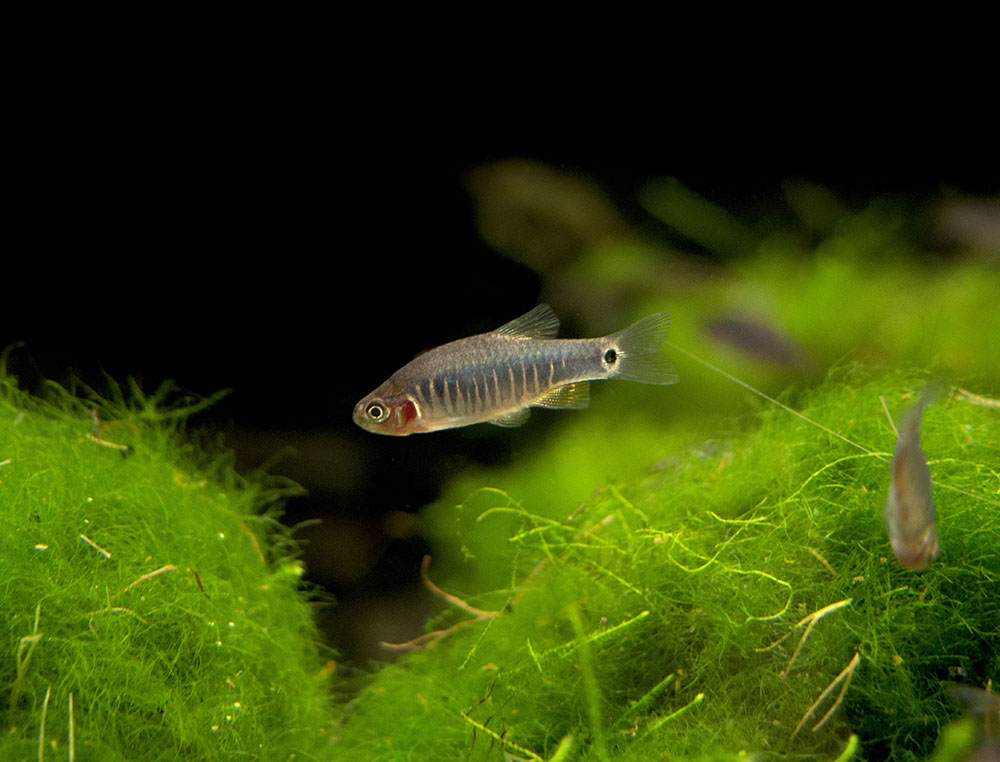
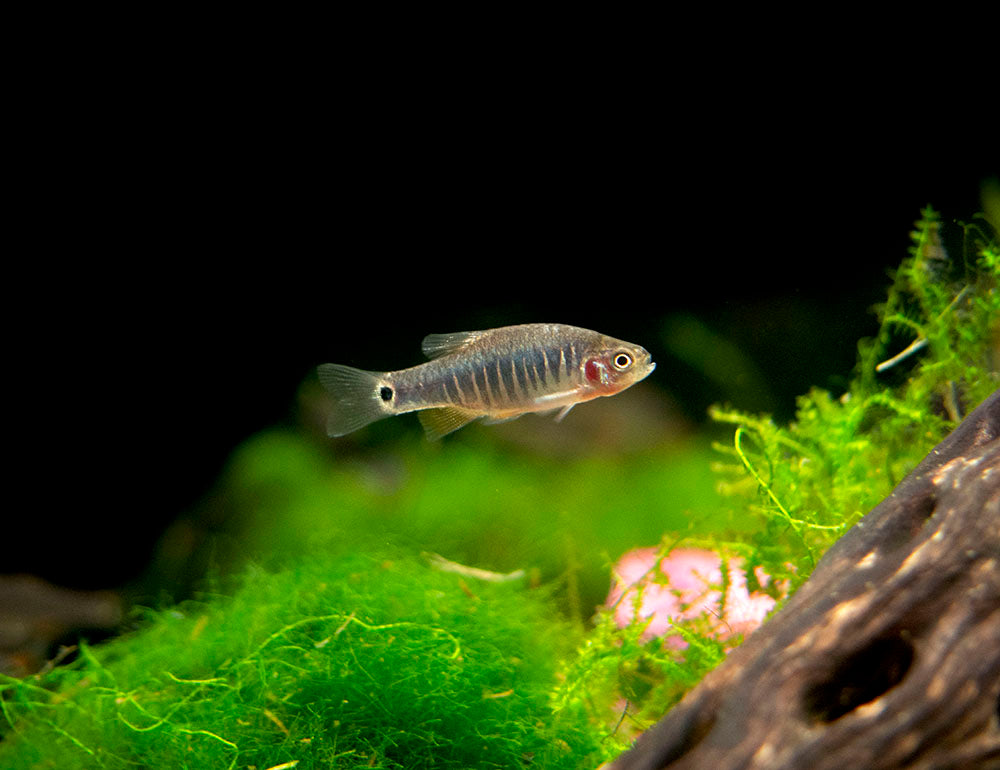
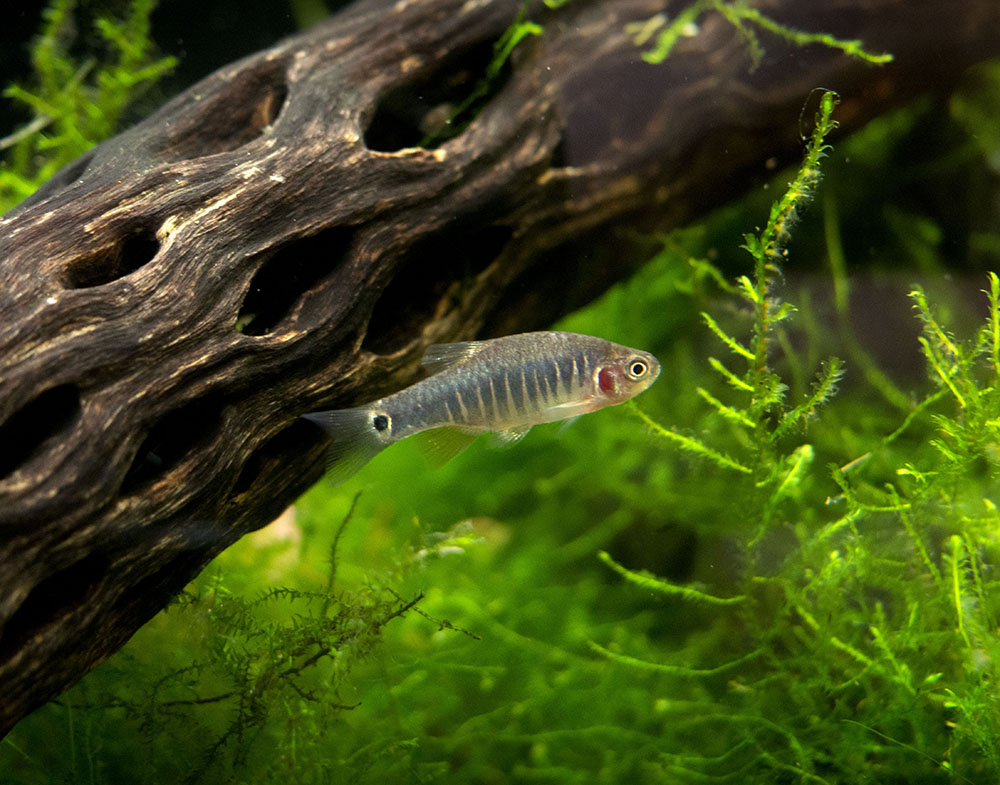
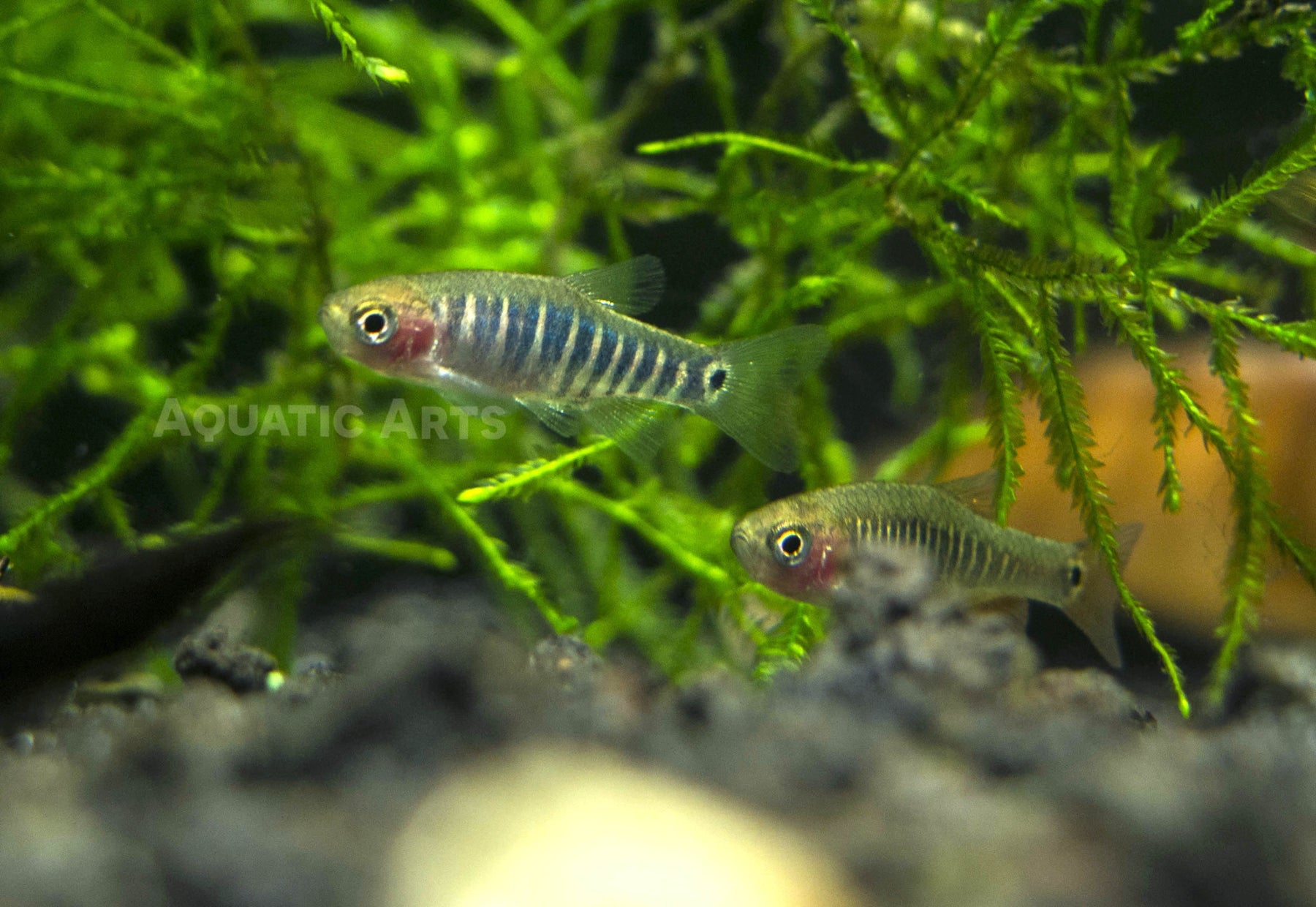
The Emerald Dwarf Rasbora (Celestichthys erythromicron) is a brilliantly patterned nano fish recognized for its metallic green body and vivid vertical striping. Often associated with high-elevation lake systems, this species delivers intense coloration and refined movement in planted freshwater aquariums.
This offering consists of Tank-Bred specimens, raised in controlled aquarium environments for improved adaptability and stability in captivity. Tank-bred Emerald Dwarf Rasboras acclimate well to established planted systems when provided stable parameters and structured aquascapes.
Ideal for nano community aquariums and carefully curated planted layouts, Celestichthys erythromicron thrives in well-maintained systems with moderate planting density and gentle flow.
What We Like About This Fish:
• Distinctive Striping Pattern: Metallic green body accented by bright vertical bars.
• Nano-Proportional Size: Ideal for 10–20 gallon planted aquariums.
• Active but Refined Movement: Adds constant midwater motion without overwhelming smaller layouts.
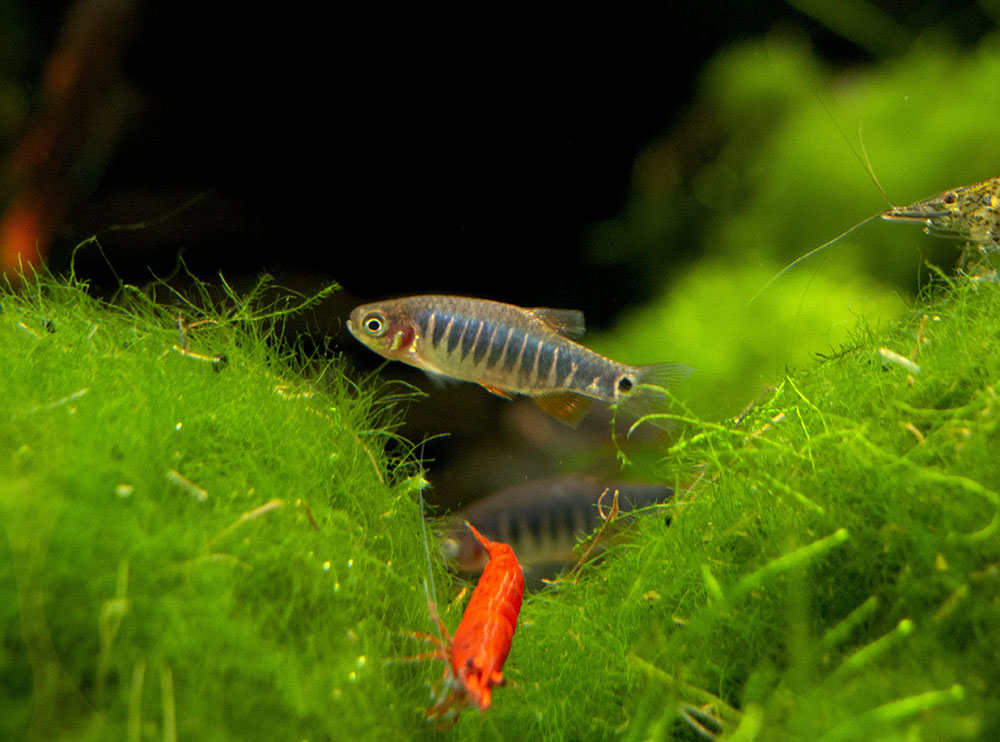
• Shrimp-Compatible Community Option: Suitable for many peaceful planted systems.
Quick Care Guide
• Care Level: Moderate
• Temperament: Peaceful
• Diet: Omnivorous; micro pellets, crushed flake, frozen daphnia, baby brine shrimp
• Shrimp Safe: Caution
• Social Behavior: Best kept in groups of 6 or more
• Average Adult Size: 1–1.25 inches
• Average Purchase Size: 0.75–1 inch
Recommended Tank Parameters
• Temperature: 72–78°F (22–26°C)
• pH: 7.0–8.0
• KH: Moderate
• Minimum Tank Size: 10 gallons
All Aquatic Arts brand plants and animals come with a 100% live arrival guarantee, plus free email support!
The original Emerald Dwarf Rasbora (Celestichthys erythromicron) was first documented from the Inle Lake region of Myanmar. This species is associated with clear, plant-rich freshwater habitats where it can school through open water while using dense vegetation and shoreline structure for security. These environments tend to be stable and well-oxygenated, with moderate mineral content compared to softer forest-stream habitats.
Rather than living in heavy leaf-litter systems, Celestichthys erythromicron is typically most comfortable in aquariums that prioritize water stability, clean oxygenated conditions, and structured planting. Understanding this native setting helps inform aquarium design, especially when balancing open swim space with planted cover and maintaining consistent mineral stability.
Emerald Dwarf Rasbora thrives in aquariums that combine structured planting with open swimming corridors.
• Plant Selection: Stem plants such as Rotala and Ludwigia provide vertical structure, while fine-leaved plants and mosses create security. Moderate plant density enhances coloration.
• Hardscape: Driftwood and smooth stone replicate rocky lake margins and provide visual breaks.
• Botanicals: Light use of leaf litter may be incorporated but is not essential; clear water presentation often highlights their metallic coloration.
• Open Swim Lanes: Maintain open midwater space for schooling behavior.
• Flow: Gentle to moderate flow supports active movement without causing stress.
Balanced layouts allow Celestichthys erythromicron to display coordinated group movement and full coloration.
Celestichthys erythromicron is an omnivorous nano species that consumes small invertebrates and microfauna in the wild.
In captivity, they readily accept micro pellets, finely crushed flake, frozen daphnia, baby brine shrimp, and other appropriately sized nano foods. Due to their small mouth size, food particle size is important.
Offering a varied diet supports coloration, immune health, and natural group behavior.
Emerald Dwarf Rasboras are peaceful and best suited for nano community aquariums with similarly sized, non-aggressive species.
They pair well with small rasboras, nano tetras, Corydoras species, and peaceful shrimp colonies. Avoid large predatory fish or highly aggressive tank mates.
Maintaining appropriate group size improves confidence and visible schooling behavior.
Emerald Dwarf Rasboras are generally compatible with adult Neocaridina and Caridina shrimp. Due to their small size, they rarely pose a threat to adult shrimp, though very small shrimplets may occasionally be consumed.
Dense planting improves coexistence in shrimp-focused aquariums.
Celestichthys erythromicron is an egg-scattering species. In mature planted aquariums, spawning may occur under stable conditions.
Eggs are typically deposited among fine-leaved plants. Adults do not provide parental care and may consume eggs if left in the main tank.
• How big does Emerald Dwarf Rasbora (Celestichthys erythromicron) get?
Emerald Dwarf Rasbora typically grows to about 1 to 1.25 inches in length, making it suitable for nano and small planted aquariums.
• Is Emerald Dwarf Rasbora good for a 10-gallon tank?
Yes. Celestichthys erythromicron can thrive in a well-structured 10-gallon planted aquarium when kept in a proper group.
• How many Emerald Dwarf Rasboras should be kept together?
A group of at least 6 is recommended, though larger groups of 8–12 display more natural schooling behavior.
• Are Emerald Dwarf Rasboras peaceful community fish?
Yes. Emerald Dwarf Rasboras are peaceful and suitable for calm community aquariums with similarly sized fish.
• Can Emerald Dwarf Rasbora live with shrimp?
Emerald Dwarf Rasboras are generally safe with adult Neocaridina and Caridina shrimp, though very small shrimplets may occasionally be consumed.
• What do Emerald Dwarf Rasboras eat?
Celestichthys erythromicron accepts micro pellets, crushed flake, frozen daphnia, baby brine shrimp, and other appropriately sized nano foods.
• Do Emerald Dwarf Rasboras prefer hard or soft water?
Emerald Dwarf Rasboras tolerate moderate mineral content and perform well in stable freshwater with balanced parameters.
• Are Emerald Dwarf Rasboras hardy?
They are moderately hardy when kept in stable, established aquariums with consistent water parameters.
• Do Emerald Dwarf Rasboras breed in captivity?
Yes. Spawning may occur in planted aquariums under stable conditions, though egg survival requires separation or dense cover.
• How long does Celestichthys erythromicron live?
With proper care and stable water conditions, Emerald Dwarf Rasboras can live several years in freshwater aquariums.
For the safety of our animals, we only ship live fish, crabs, and select other inverts exclusively via UPS 1 Day Air. If your order contains this item, you will only see UPS 1 Day Air as a shipping option during checkout. If other items are in your cart that can ship with 2 day or standard shipping options the only shipping method you can still select is UPS 1 Day Air.
UPS 1 Day is a description of the duration of time a shipment will spend in transit once it has been shipped. This does not guarantee the package will be shipped the same or next day from which the order was placed.
Shipping Schedule for this service
Current Handling Time:
1-9 business days
Here at Aquatic Arts, we consider the welfare of the live animals we are shipping to be of the foremost importance. This process is much more involved than simply creating a shipping label and affixing it to a box. Depending on the order, it takes from 4 to 7 people to complete this process properly. We check the weather conditions here where they fly out of the Indianapolis UPS facility and the destination for each shipment. We start early each morning and go through a multi-step process to have the day's shipments prepared in time for the UPS pickup. The volume of orders in our system also affects the processing time. Therefore our stated handling time is 1-9 business days.
Shipping Rate
Pricing is by size of package needed to fill entire order and distance it must travel. It will be calculated at checkout.