
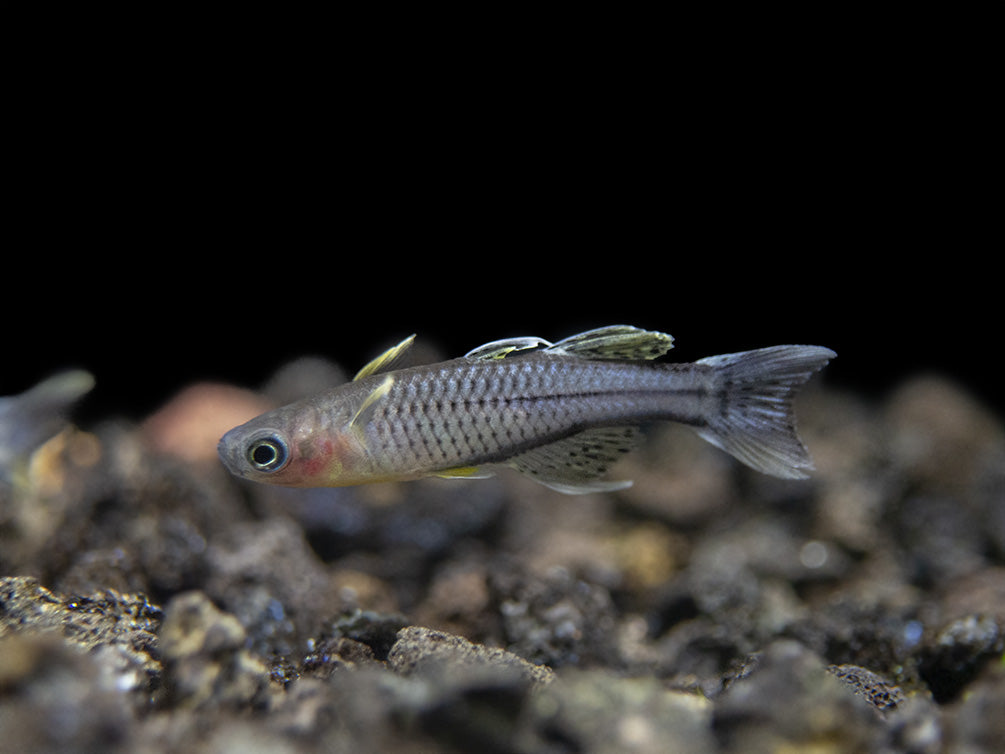

Aru II Gertrude’s Spotted Blue Eye Rainbowfish (Pseudomugil gertrudae) - Tank-Bred!
- Low stock - 3 items left
- Backordered, shipping soon
Product Overview
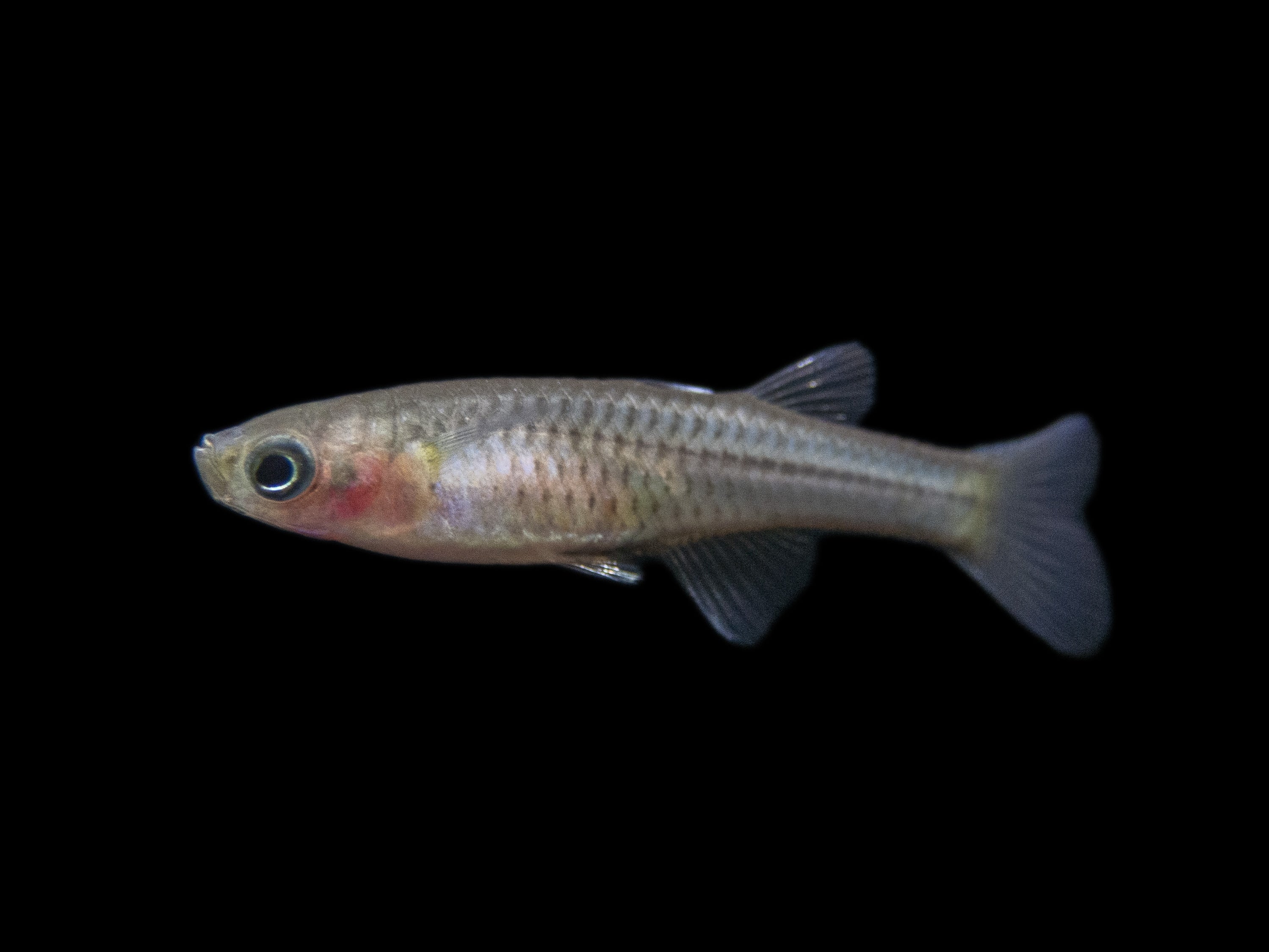
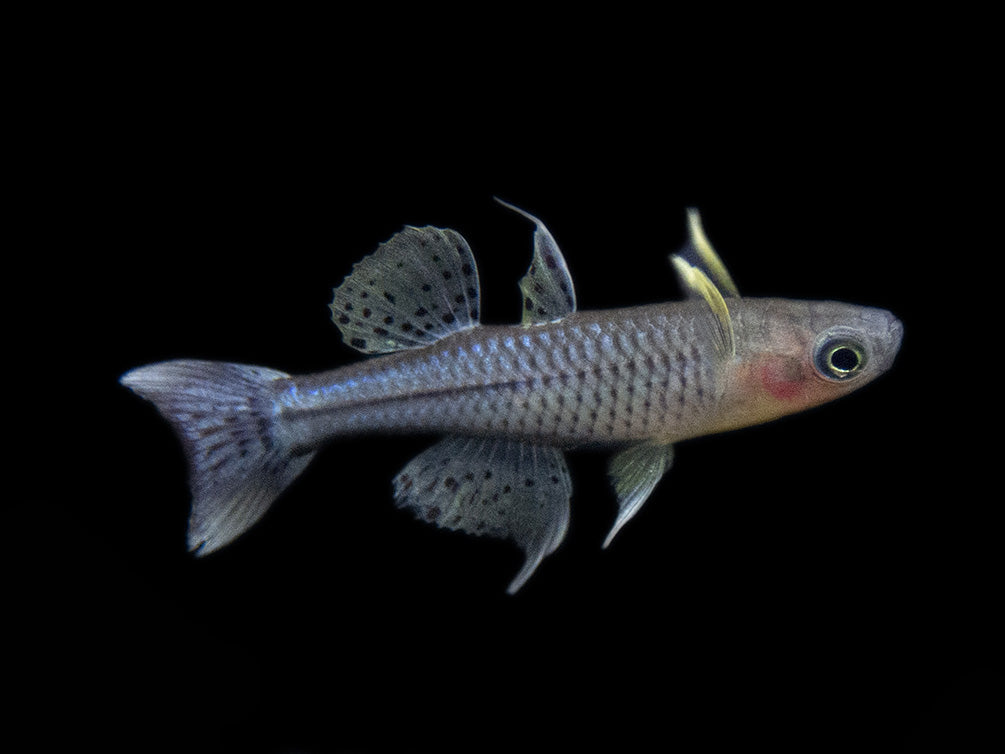
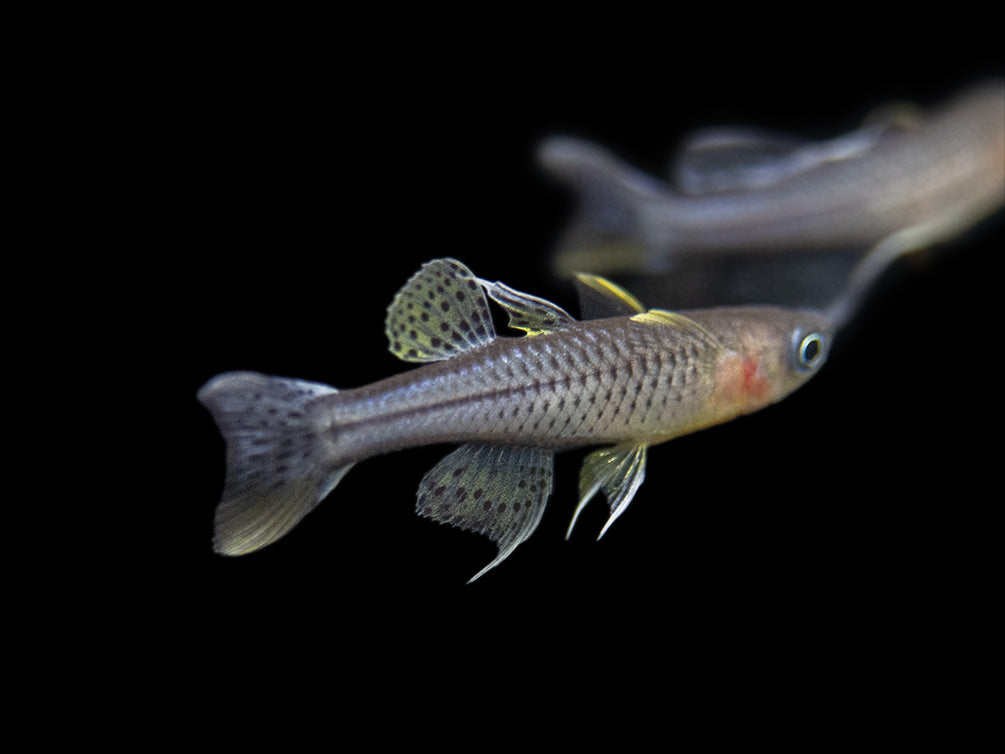
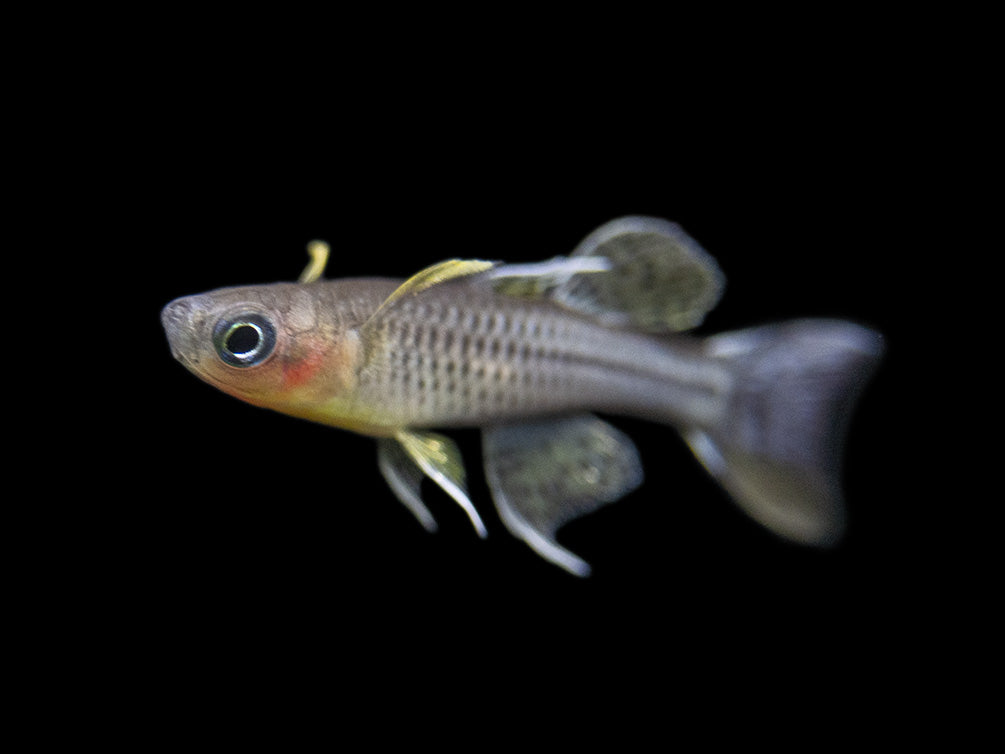
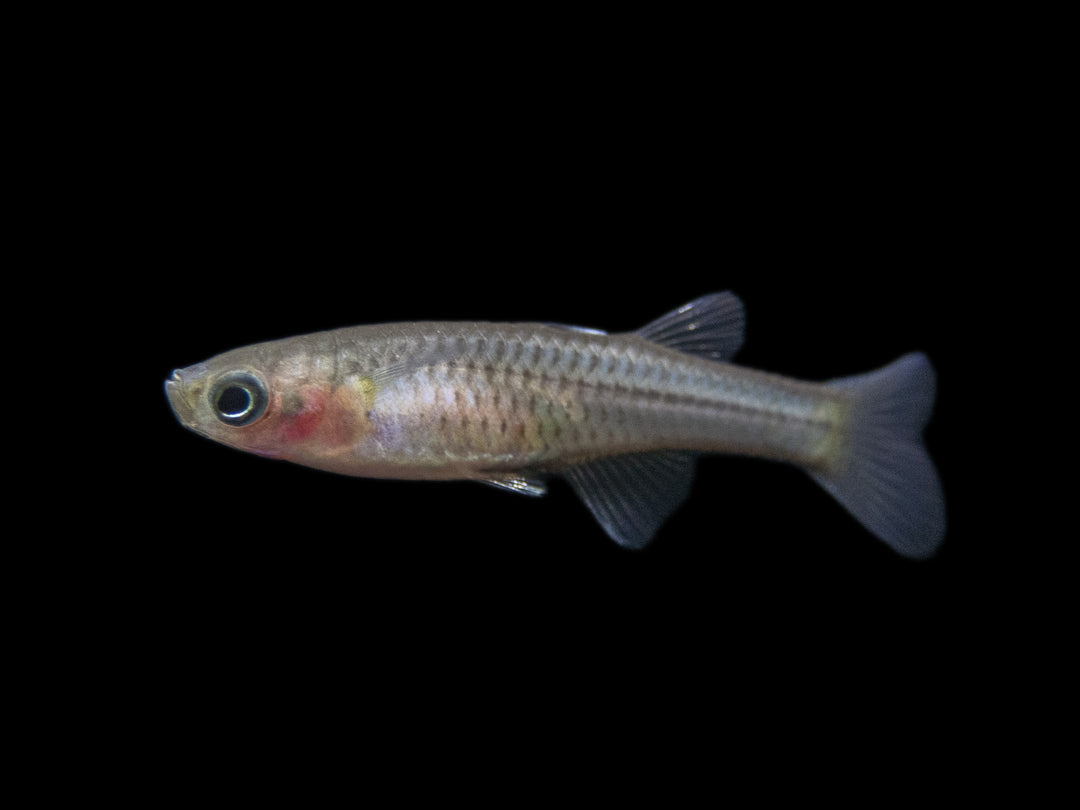
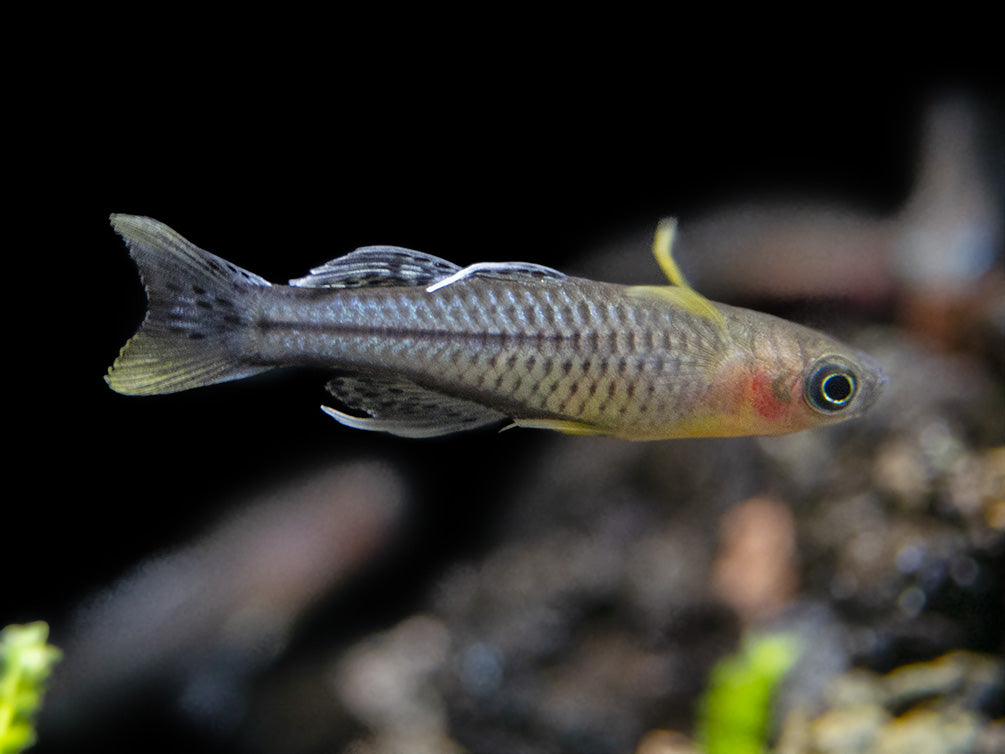
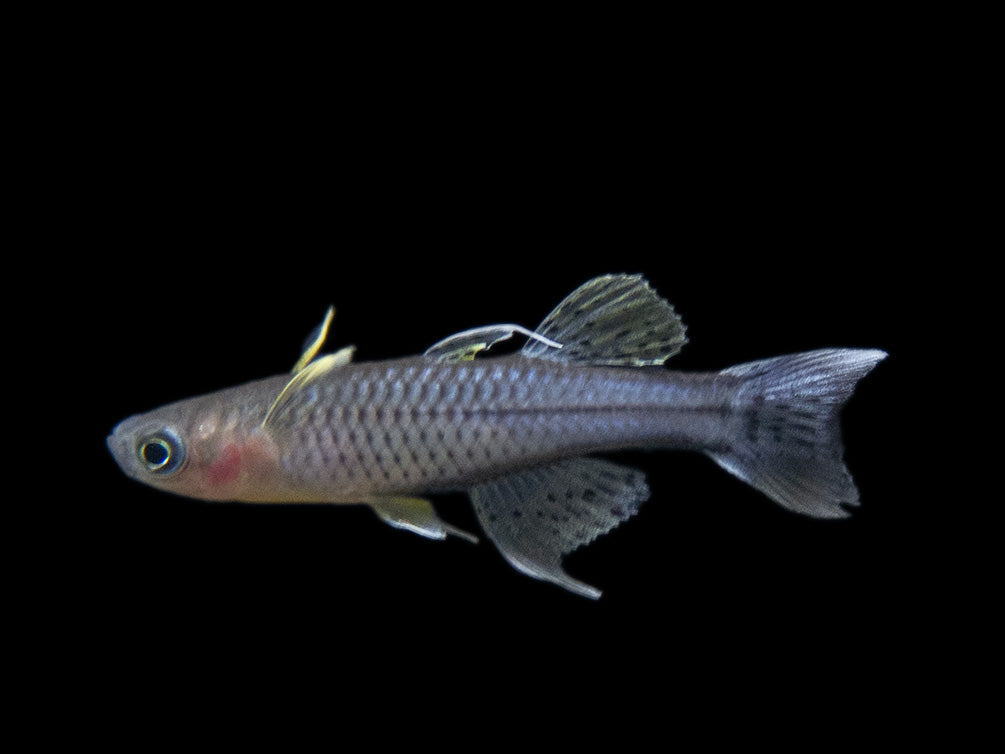
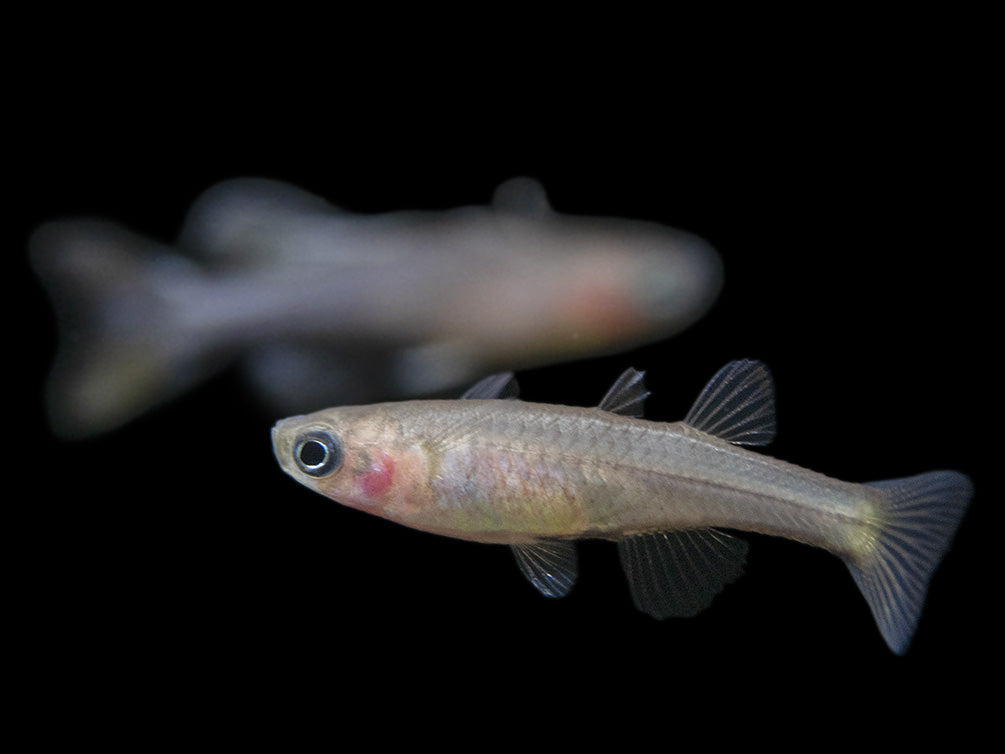
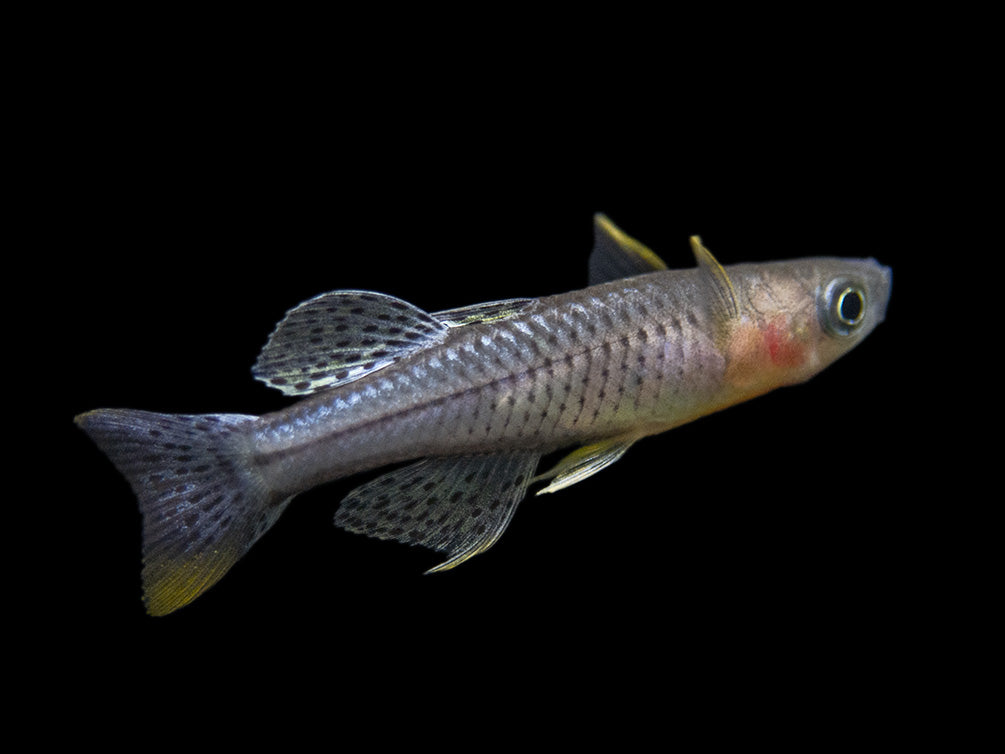
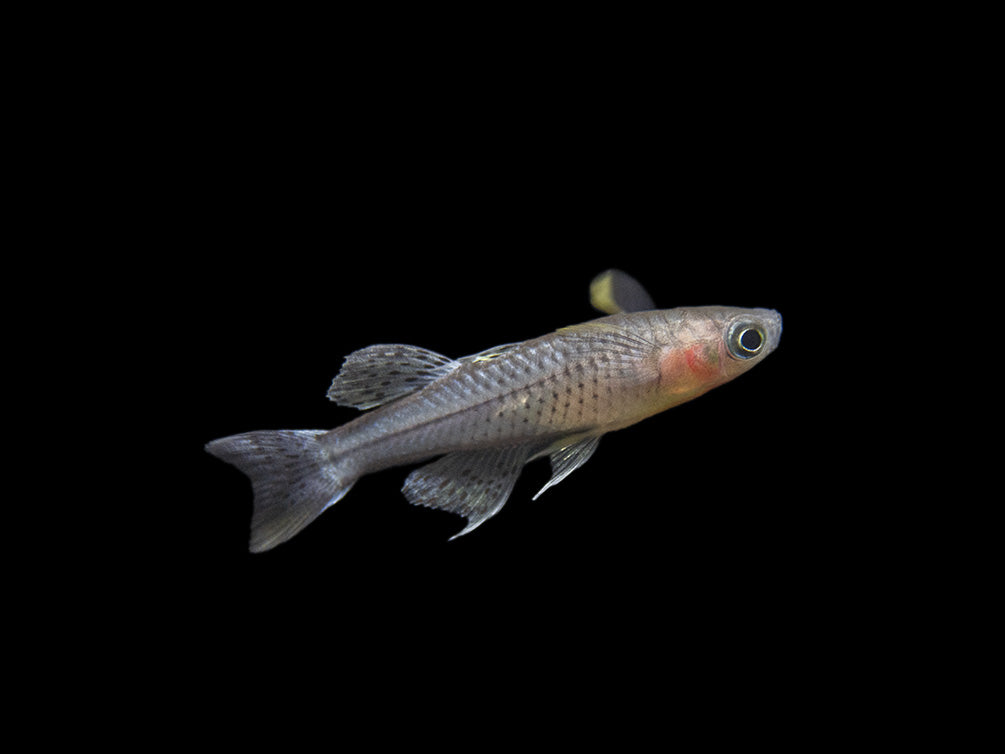
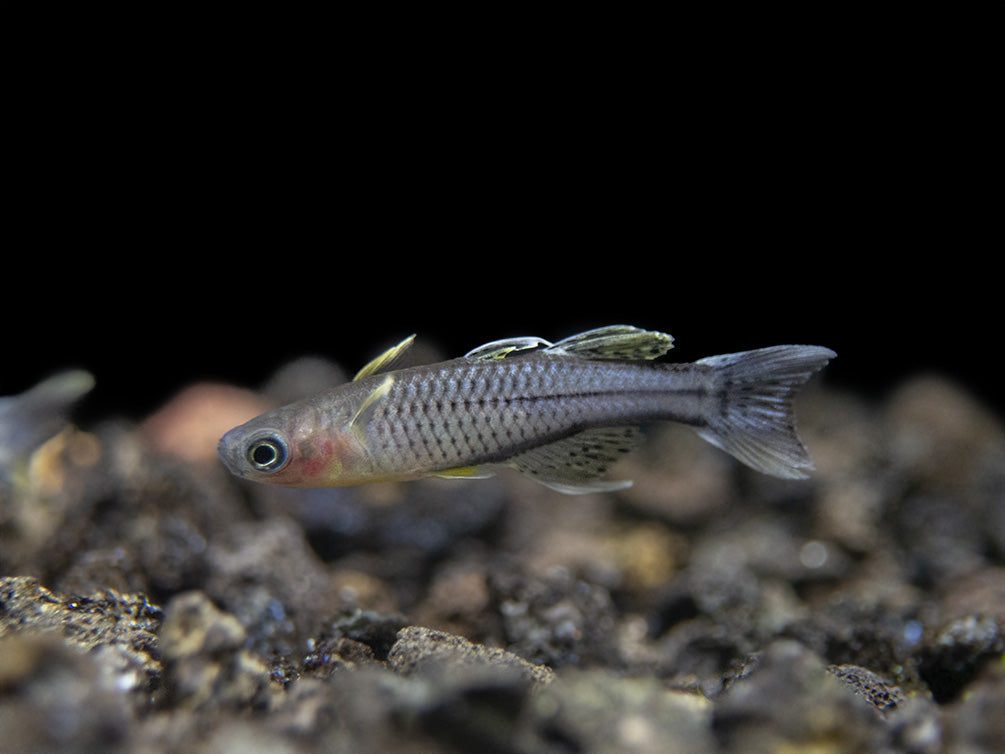
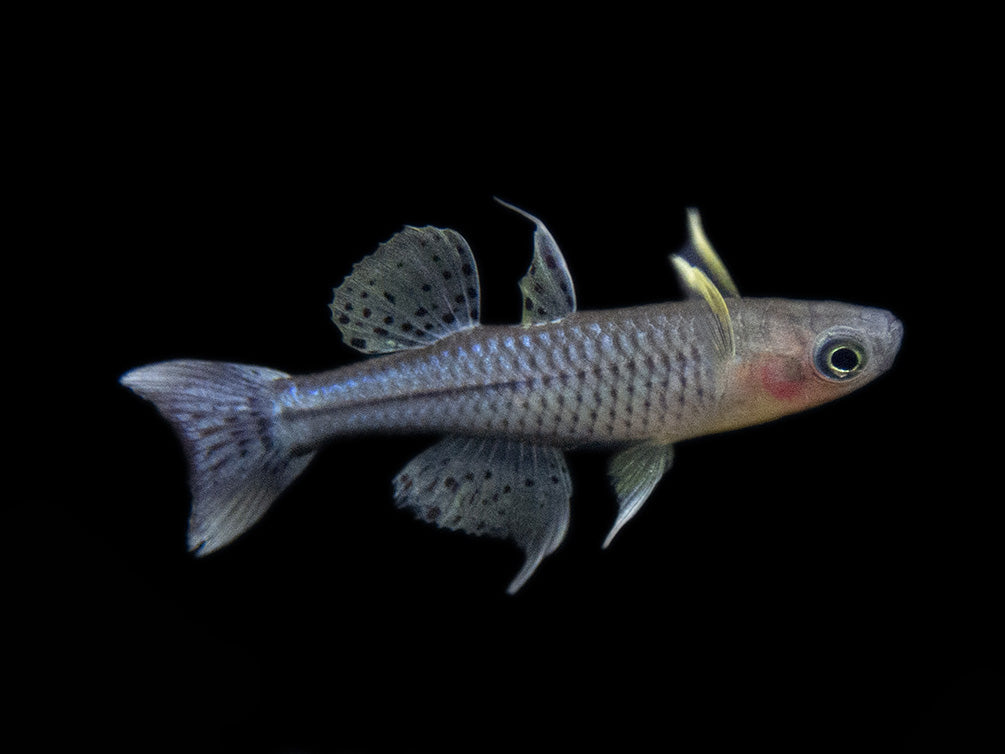
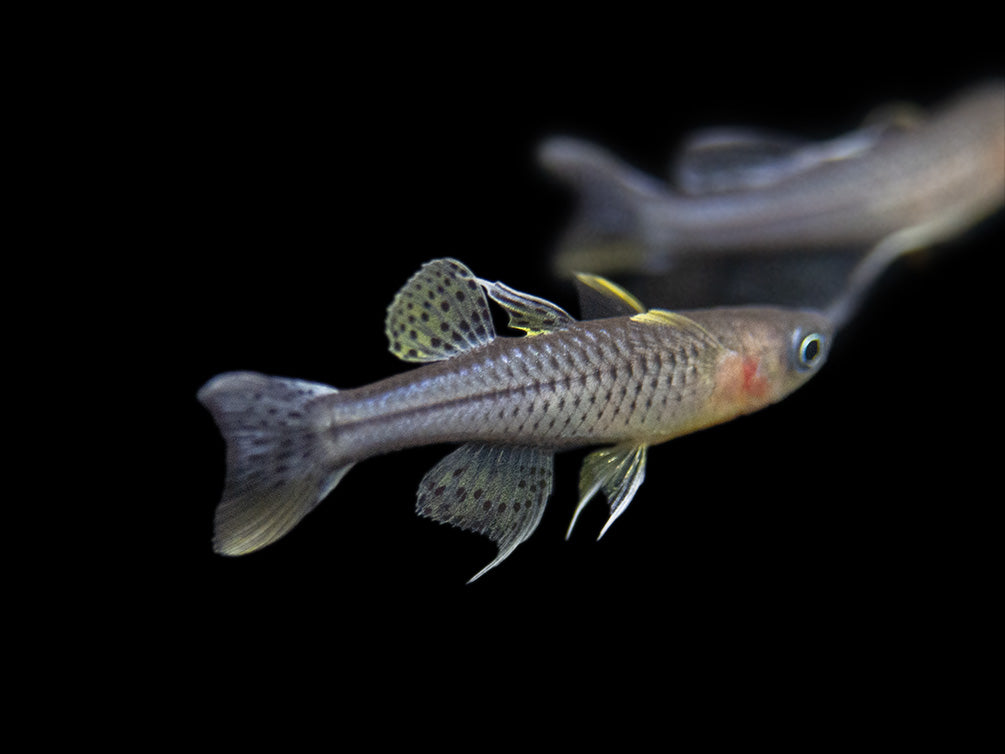
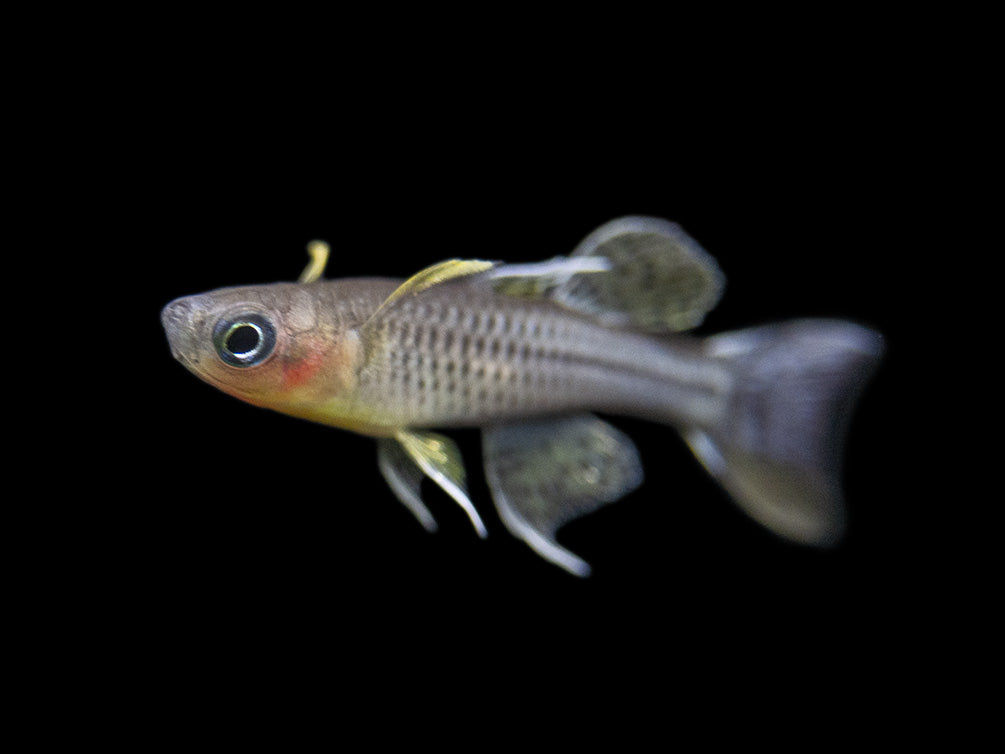
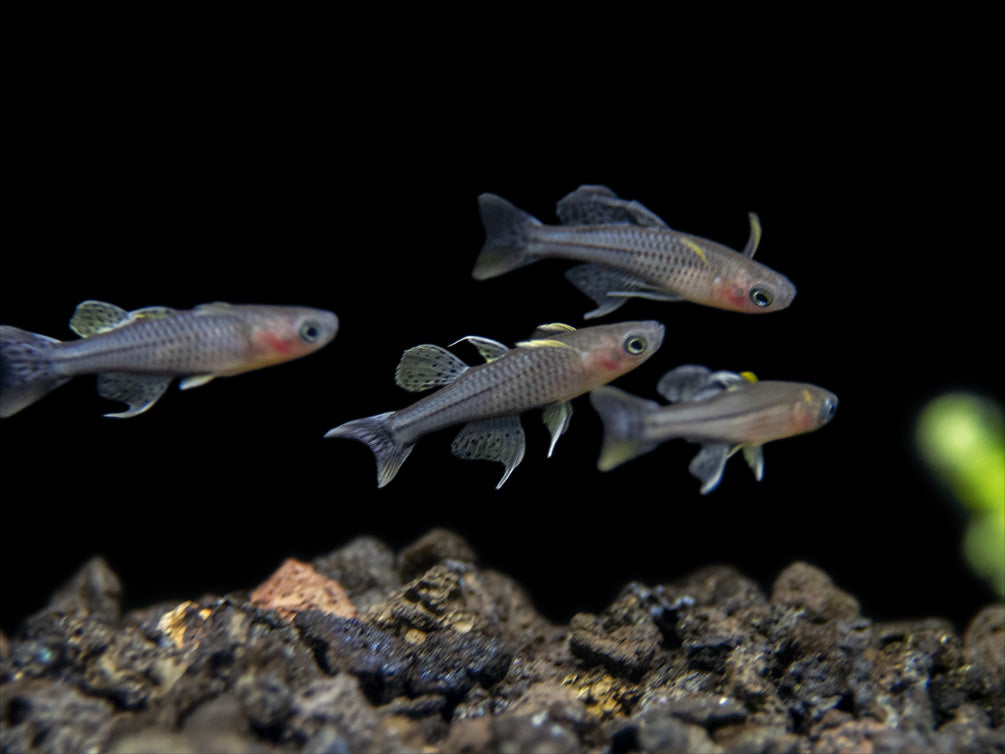
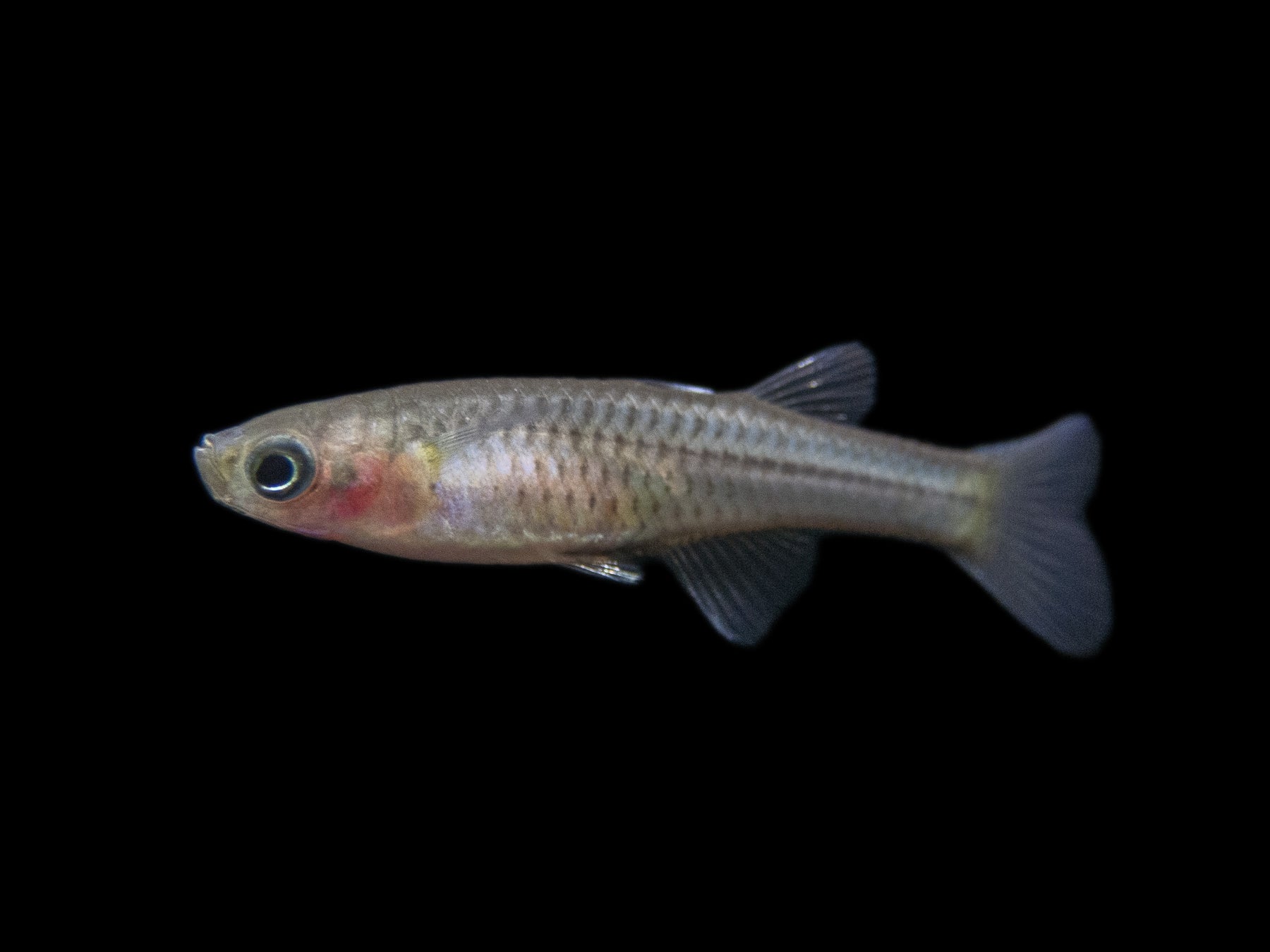
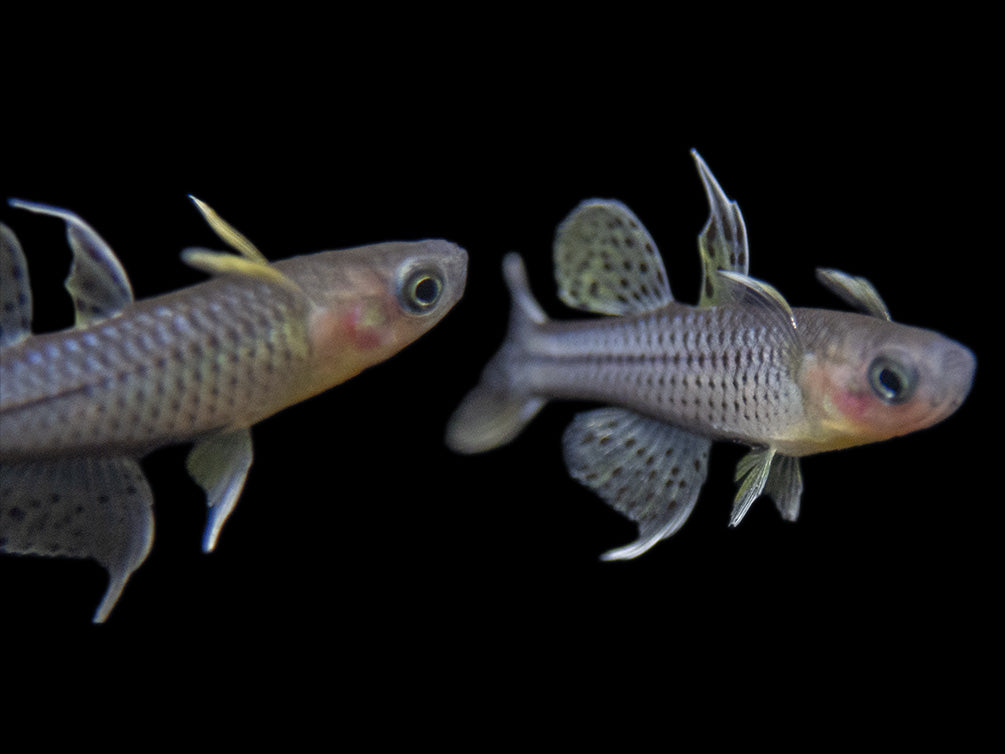
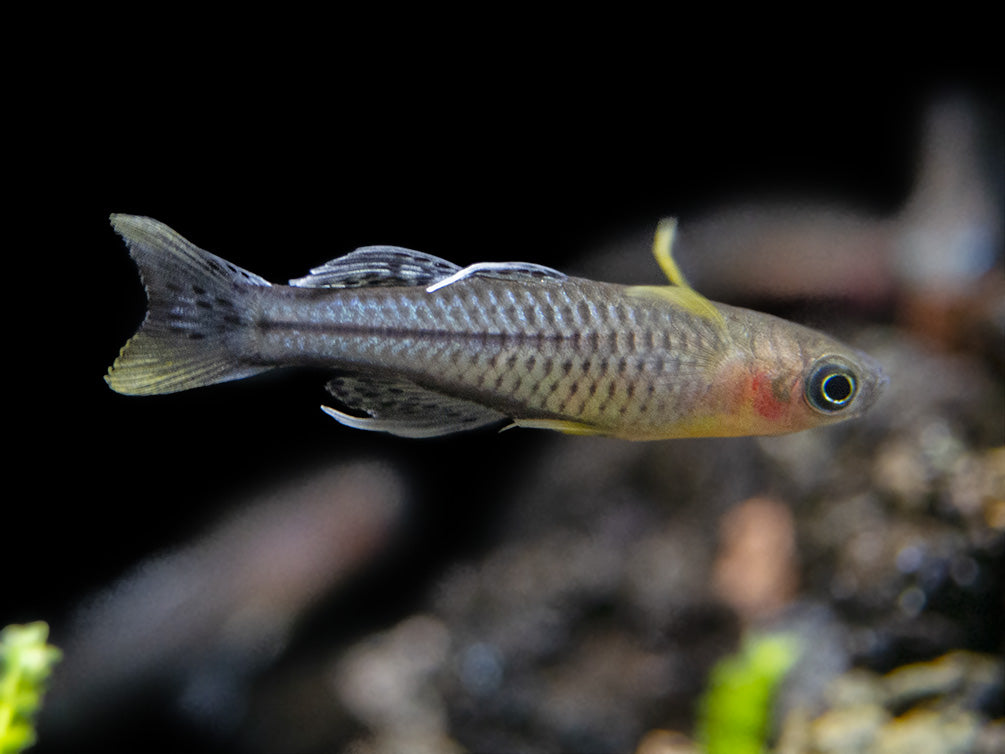
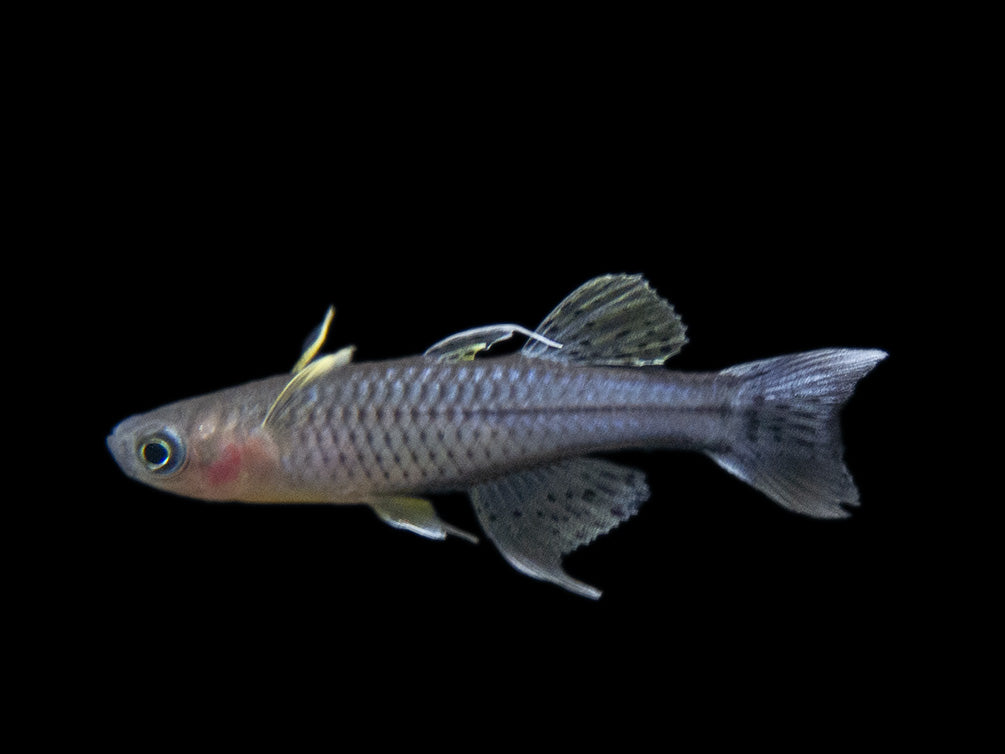
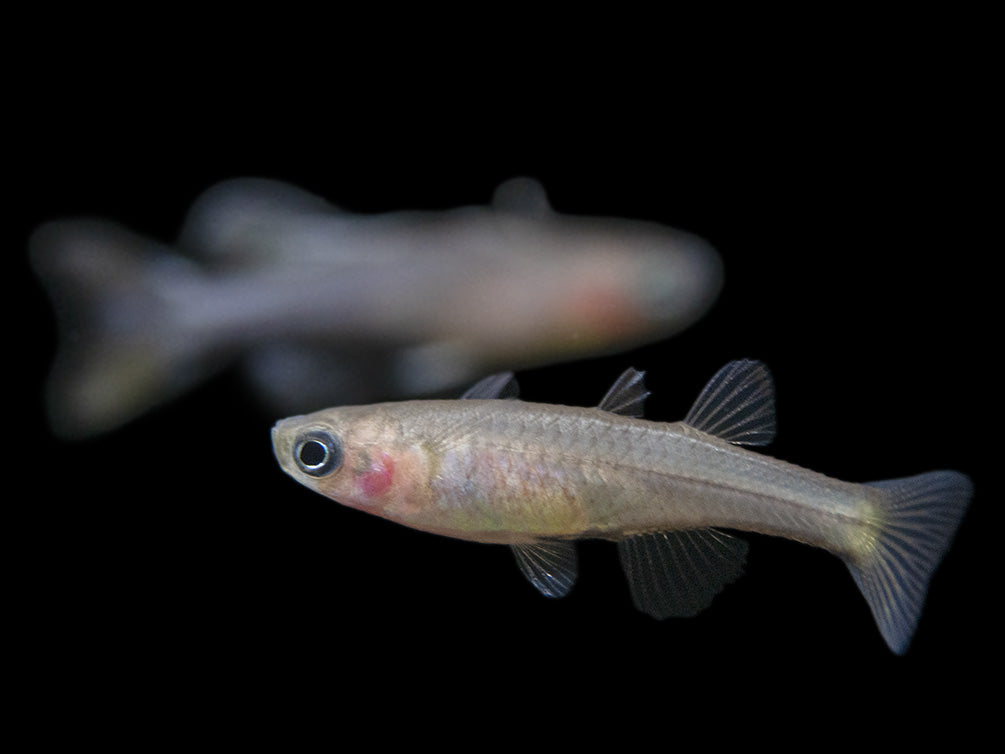
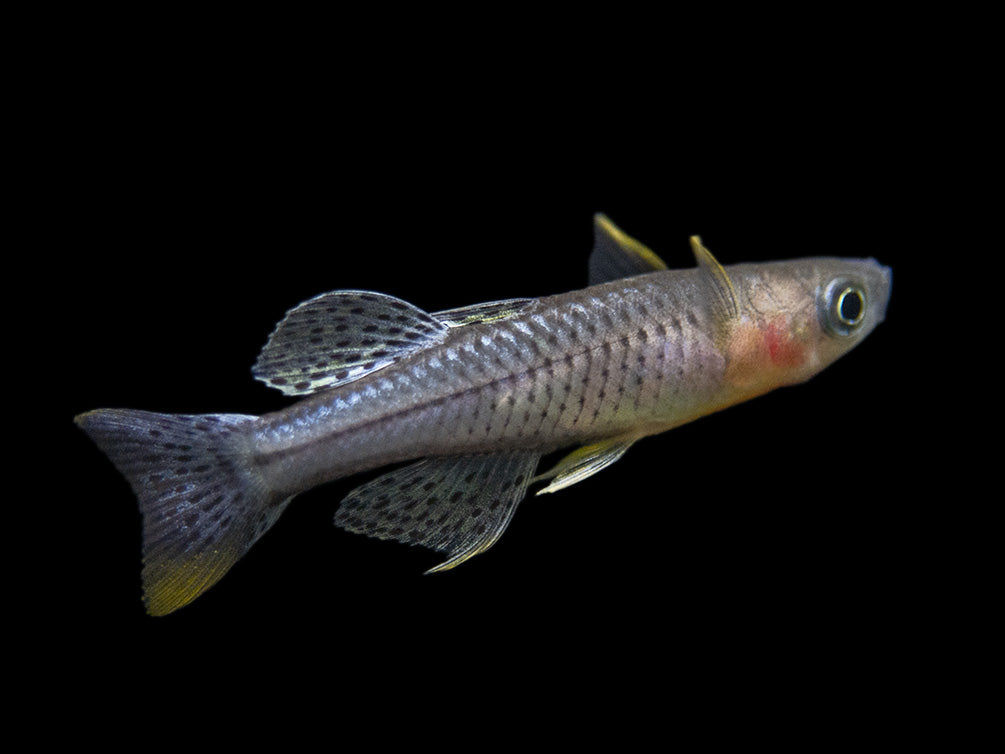
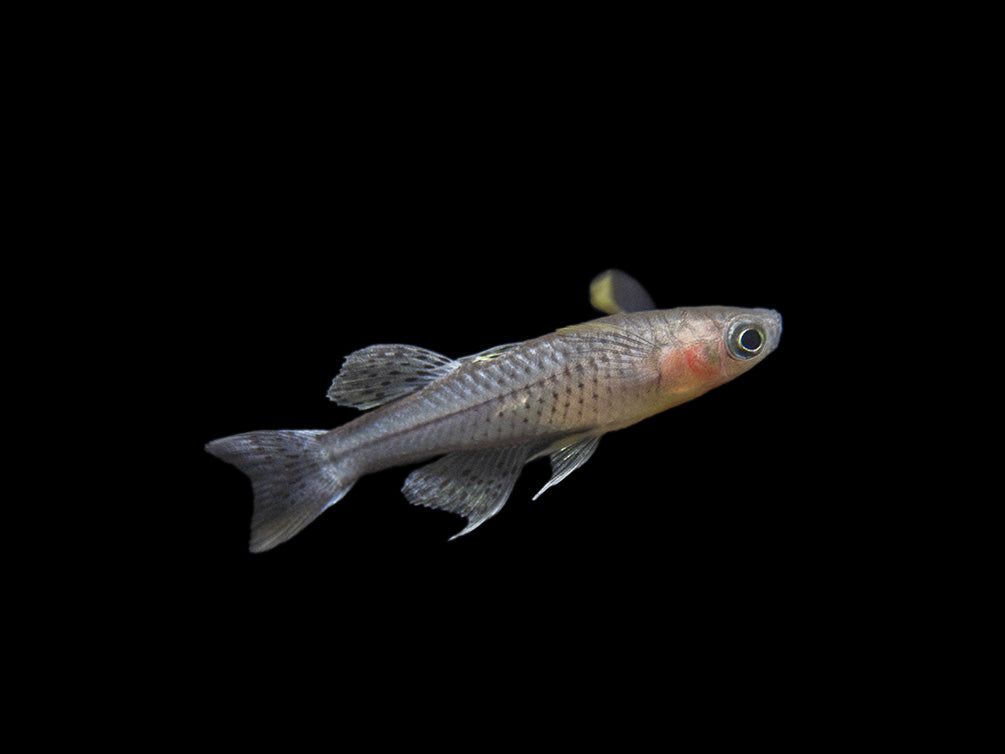
The Aru II Gertrude’s Spotted Blue Eye Rainbowfish (Pseudomugil gertrudae) is one of the most desirable Blue Eye Rainbowfish available in the aquarium hobby. This premium population is prized for its brilliant blue eyes, heavily spotted finnage, and elegant display behavior. Despite their small size, these fish quickly become the center of attention in a planted aquarium.
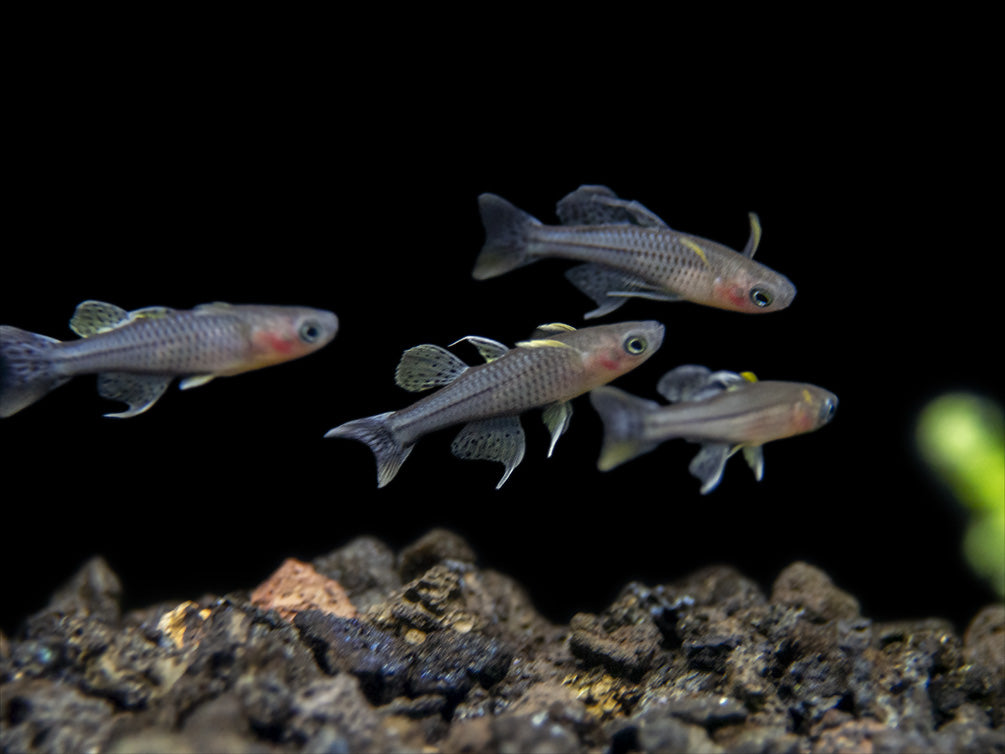
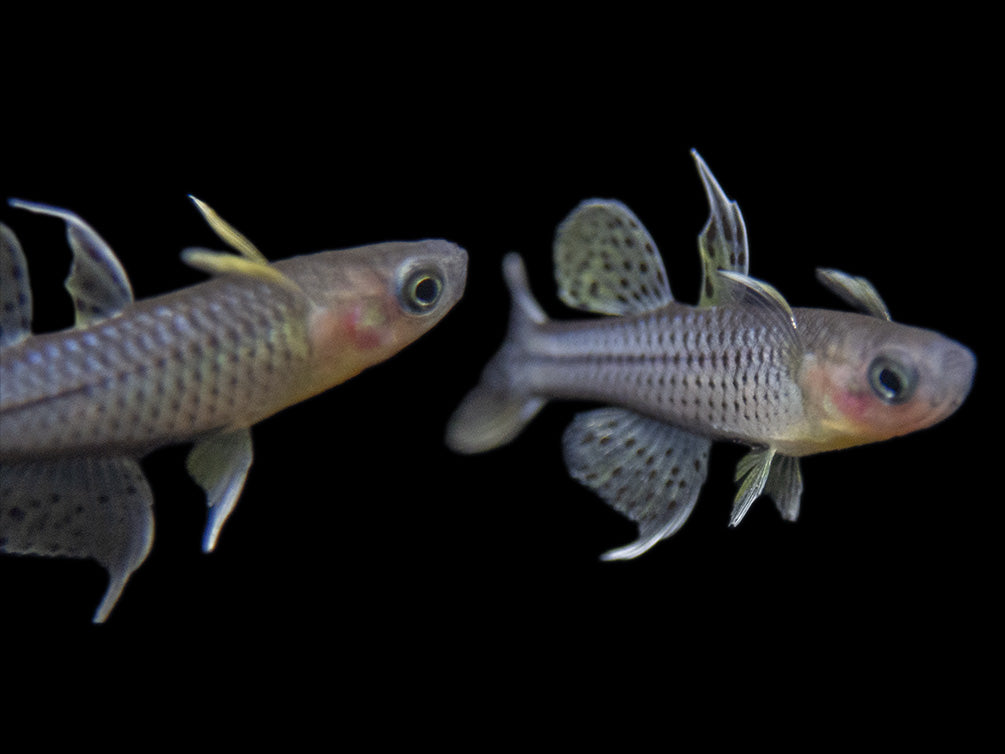
Males spend much of their day displaying to one another by extending their ornate fins and showcasing their spotted patterns in an effort to attract females. These displays are peaceful, fascinating to observe, and one of the primary reasons hobbyists fall in love with this species.
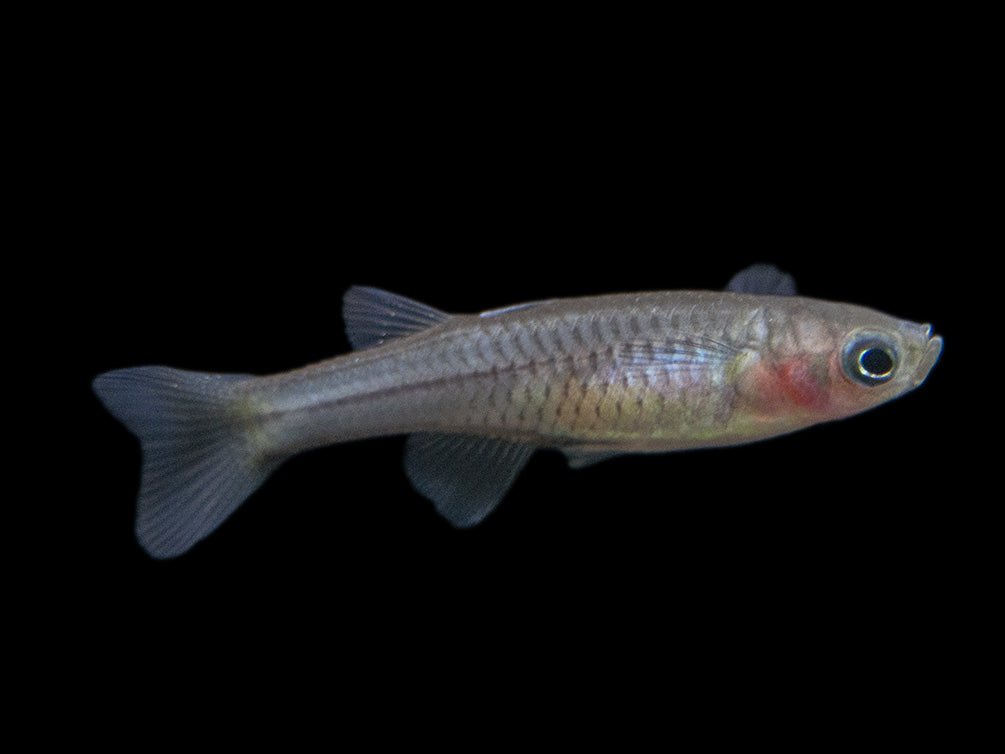
Our Tank-Bred and Locally Bred Aru II Gertrude’s Spotted Blue Eye Rainbowfish are well adapted to aquarium life and thrive in planted community aquariums. Locally Bred specimens are typically offered at a larger purchase size, making them an excellent choice for hobbyists seeking more developed fish with emerging adult finnage and coloration.
What We Love About This Fish
• Active, schooling community fish that thrives in planted aquariums
• Compatible with most invertebrates, including dwarf shrimp
• Adults, especially males, display colorful and ornate finnage
• Among the smallest of the Blue Eye Rainbowfish
• Premium Aru II variant prized for exceptional finnage and display behavior
Quick Care Guide
• Care Level: Easy
• Temperament: Peaceful
• Diet: Omnivore
• Source: Tank-Bred | Locally Bred
• Adult Size: Approximately 1.2–1.5 Inches (3–3.8 cm)
• Average Purchase Size:
- Tank-Bred: Approximately 0.5–0.75 Inch (1.3–1.9 cm)
- Locally Bred: Approximately 1+ Inch (2.5+ cm)
• Lifespan: 2–4 Years
• Activity Level: Active
• Schooling Behavior: Shoaling Fish
• Recommended Group Size: 8+ Individuals
• Swimming Zone: Upper to Middle Levels
Tank Parameters
• Temperature: 72–82°F (22–28°C)
• pH: 6.0–7.8
• GH: 2–12 dGH
• Minimum Aquarium Size: 10 Gallons
• Recommended Group Size: 8+ Individuals
• Water Flow: Gentle to Moderate
Natural Habitat
The Aru II population of Gertrude’s Spotted Blue Eye Rainbowfish originates from the Aru Islands region near New Guinea, where these fish inhabit shallow vegetated waterways, floodplain pools, marshes, and slow-moving streams.
These habitats are often filled with aquatic plants, submerged roots, overhanging vegetation, and calm water. The fish spend much of their time near dense vegetation where they search for tiny food items and interact socially with other members of their group.
The combination of warm temperatures, abundant plant growth, and calm water has shaped the peaceful nature and beautiful display behavior seen in this species today.
Aquascaping
Aru II Gertrude’s Spotted Blue Eye Rainbowfish thrive in heavily planted aquariums that combine dense vegetation with open swimming areas. A planted environment helps these fish feel secure while allowing hobbyists to observe their natural display behavior.
We recommend incorporating driftwood, branchwood, floating plants, fine-leaved plants, and natural hardscape to recreate the appearance of a slow-moving tropical stream. Floating plants are particularly beneficial because they diffuse lighting and help encourage natural behavior.
Excellent plant choices include Java Moss, Subwassertang, Water Sprite, Guppy Grass, Rotala species, Bacopa species, Cryptocoryne species, and floating plants. Fine-leaved plants and mosses also provide spawning sites and shelter for fry.
A densely planted nano aquarium with gentle water movement and open display areas is often considered the ideal setup for this species.
Diet and Feeding
Aru II Gertrude’s Spotted Blue Eye Rainbowfish are omnivorous micropredators that naturally consume tiny aquatic insects, zooplankton, microcrustaceans, insect larvae, and other small prey items.
In the aquarium they readily accept crushed flakes, micro pellets, nano fish foods, and other prepared diets. Because of their small mouths, appropriately sized foods should always be offered.
For optimal coloration, finnage development, and breeding condition, we recommend supplementing prepared foods with baby brine shrimp, cyclops, daphnia, microworms, vinegar eels, and other small live or frozen foods.
A varied diet helps support growth, vibrant coloration, strong immune systems, and natural breeding behavior.
Tank Mates and Compatibility
Aru II Gertrude’s Spotted Blue Eye Rainbowfish are peaceful community fish that pair exceptionally well with other small, non-aggressive species.
Excellent tank mates include:
• Red Neon Blue Eye Rainbowfish (Pseudomugil luminatus) – Colorful Nano Rainbowfish
• Forktail Blue Eye Rainbowfish (Pseudomugil furcatus) – Active Surface-Oriented Rainbowfish
• Chili Rasbora (Boraras brigittae) – Nano Schooling Fish
• Phoenix Rasbora (Boraras merah) – Peaceful Nano Fish
• Least Rasbora (Boraras urophthalmoides) – Tiny Community Fish
• Celestial Pearl Danio (Danio margaritatus) – Colorful Nano Fish
• Pygmy Corydoras (Corydoras pygmaeus) – Social Bottom Dweller
• Neocaridina Shrimp (Neocaridina davidi) – Freshwater Cleanup Crew
Because they are social fish, they should always be maintained in groups. Larger groups often result in better coloration, more natural displays, and increased confidence.
Shrimp Safe
Aru II Gertrude’s Spotted Blue Eye Rainbowfish are considered one of the more shrimp-compatible nano fish available.
Adult shrimp are generally very safe with this species, and even juvenile shrimp often coexist successfully in heavily planted aquariums. Newly hatched shrimplets may occasionally be consumed.
Shrimp Compatibility Rating
Adult Shrimp: Excellent Compatibility
Juvenile Shrimp: Good Compatibility
Shrimplets: Moderate Predation Risk
Breeding
Gertrude’s Spotted Blue Eye Rainbowfish are prolific egg scatterers that regularly spawn in mature aquariums. Males display intensely to females and establish small territories around spawning sites.
Eggs are deposited among fine-leaved plants, mosses, and spawning mops. Given proper conditions, adults may spawn repeatedly over extended periods.
Many hobbyists successfully breed this species in dedicated breeding aquariums or heavily planted nano tanks.
Breeding Difficulty
Easy to Moderate
Reproduction Type
Egg Scatterer
Frequently Asked Questions
Are Aru II Gertrude’s Spotted Blue Eye Rainbowfish beginner friendly?
Yes. They are hardy, peaceful, and suitable for many planted community aquariums.
Are they good for nano aquariums?
Absolutely. They are among the best nano rainbowfish available.
How many should I keep together?
We recommend a group of at least 8 individuals.
Are they schooling fish?
They are best described as shoaling fish and thrive in groups.
What makes the Aru II variety different?
The Aru II population is prized for exceptional finnage, spotting patterns, and display behavior.
What is the difference between Aru II and standard Gertrude’s Blue Eye Rainbowfish?
The Aru II population is often sought after for its more ornate finnage and attractive spotting patterns.
What is the difference between Aru II and Red Neon Blue Eye Rainbowfish?
Red Neon Blue Eyes display significantly more red-orange coloration, while Aru II Gertrude’s Blue Eyes are known for their spotted fins and elegant displays.
What is the difference between Aru II and Forktail Blue Eye Rainbowfish?
Forktails grow slightly larger and develop distinctive forked tails, while Aru II fish are smaller and display more ornate spotted finnage.
Which Blue Eye Rainbowfish is best for beginners?
Both Aru II Gertrude’s Blue Eyes and Forktail Blue Eyes are excellent beginner-friendly choices.
Which Blue Eye Rainbowfish stays the smallest?
Gertrude’s Blue Eye Rainbowfish are among the smallest commonly available Blue Eye Rainbowfish.
Which Blue Eye Rainbowfish has the most colorful fins?
Many hobbyists consider the Aru II population among the most attractive due to its heavily spotted finnage.
Are they aggressive?
No. They are peaceful community fish.
Why are the males displaying to one another?
This is normal social and breeding behavior.
Do males and females look different?
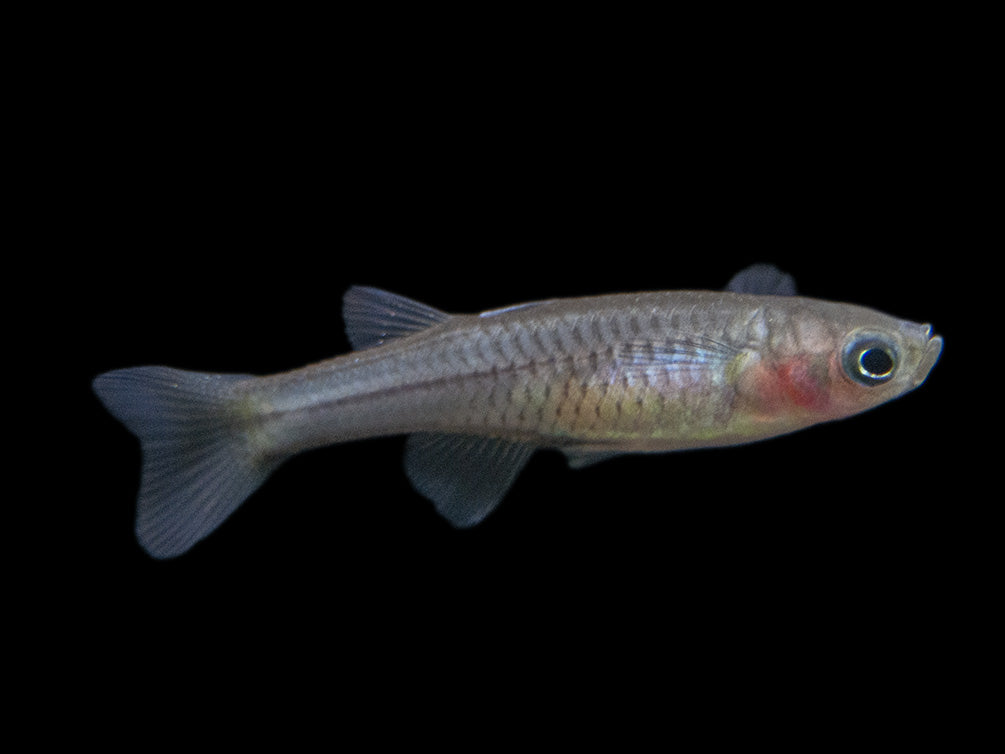
Yes. Males are more colorful and develop larger, more ornate fins.
Are they shrimp safe?
Yes, especially with adult dwarf shrimp.
Can they live with Neocaridina shrimp?
Yes. They are among our favorite fish for Neocaridina aquariums.
Can they live with Caridina shrimp?
Yes, provided water parameters are suitable for both species.
Will they eat shrimplets?
Some shrimplets may be consumed.
Do they jump?
Yes. A secure lid is strongly recommended.
Are they good for planted aquariums?
Absolutely.
Do they need floating plants?
Not required, but highly beneficial.
What foods bring out the best coloration?
Baby brine shrimp, cyclops, daphnia, and quality prepared foods.
Why are mine pale after shipping?
Temporary stress and acclimation commonly reduce coloration.
When do males develop their finnage?
Most males develop their best finnage as they mature.
Do they breed easily?
Yes, they are considered one of the easier Blue Eye Rainbowfish to breed.
Will they breed in a community aquarium?
They may spawn regularly, although fry survival is typically lower.
How long do they live?
Most live approximately 2–4 years.
What water flow do they prefer?
Gentle to moderate flow is ideal.
Are they sensitive fish?
No. They are generally considered hardy and adaptable.
Can they be kept with Red Neon Blue Eyes?
Yes. They make excellent companions.
Can they be kept with Chili Rasboras?
Yes. Both species do very well together.
Why are they called Blue Eye Rainbowfish?
The species is known for its brilliant reflective blue eyes, which are particularly striking under aquarium lighting.
Shipping Information
For the safety of our animals, we only ship live fish, crabs, and select other inverts exclusively via UPS 1 Day Air. If your order contains this item, you will only see UPS 1 Day Air as a shipping option during checkout. If other items are in your cart that can ship with 2 day or standard shipping options the only shipping method you can still select is UPS 1 Day Air.
UPS 1 Day is a description of the duration of time a shipment will spend in transit once it has been shipped. This does not guarantee the package will be shipped the same or next day from which the order was placed.
Shipping Schedule for this service
Current Handling Time:
1-9 business days
Here at Aquatic Arts, we consider the welfare of the live animals we are shipping to be of the foremost importance. This process is much more involved than simply creating a shipping label and affixing it to a box. Depending on the order, it takes from 4 to 7 people to complete this process properly. We check the weather conditions here where they fly out of the Indianapolis UPS facility and the destination for each shipment. We start early each morning and go through a multi-step process to have the day's shipments prepared in time for the UPS pickup. The volume of orders in our system also affects the processing time. Therefore our stated handling time is 1-9 business days.
Shipping Rate
Pricing is by size of package needed to fill entire order and distance it must travel. It will be calculated at checkout.
Live Arrival Guarantee
We stand behind the health and quality of every fish we ship. Each Aru II Gertrude's Spotted Blue Eye Rainbowfish (Pseudomugil gertrudae) is carefully quarantined, observed, and conditioned before leaving our facility to help ensure it arrives healthy and ready to thrive in its new home.
Every order is backed by our 100% Live Arrival Guarantee. If an issue occurs during transit, please email photos of the animal and packaging within the timeframe outlined in our policy to info@aquaticarts.com so our team can assist you.
For complete guarantee details, reporting requirements, and claim deadlines, please review our Live Arrival Guarantee Policy:
https://aquaticarts.com/policies/refund-policy
In addition to our Live Arrival Guarantee, every purchase includes access to our experienced support team. Whether you have questions about acclimation, aquarium setup, compatibility, feeding, breeding, or long-term care, we are here to help you succeed.
Best Fishes,
The Aquatic Arts Team