




Tiger Nerite Snails (Neritina semiconica)
- In stock, ready to ship
- Backordered, shipping soon
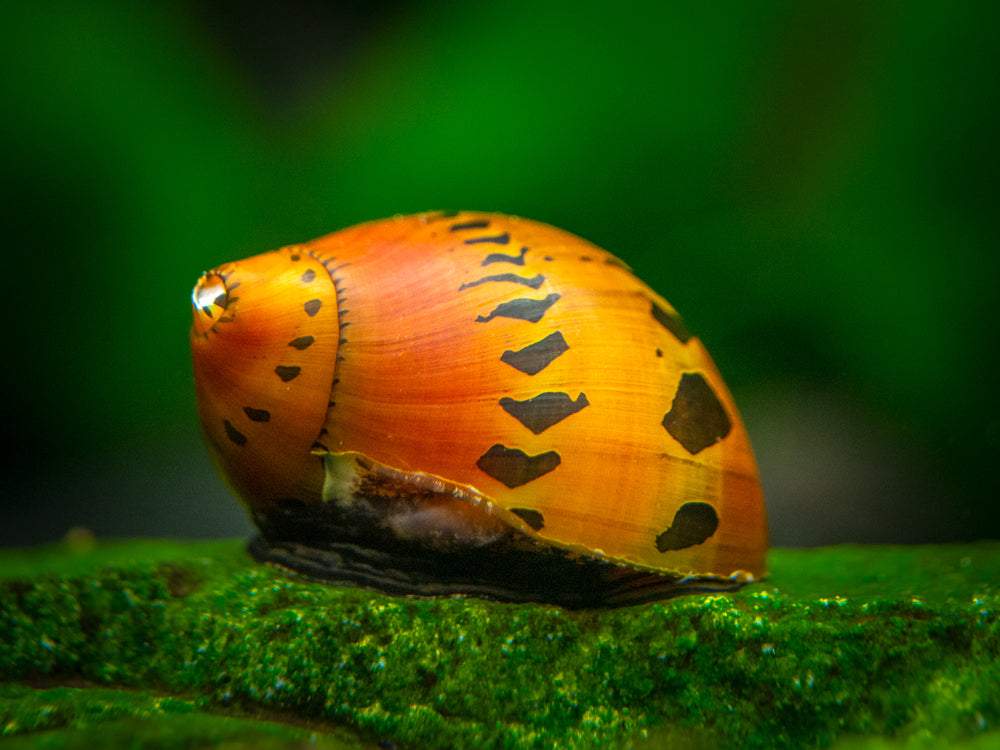
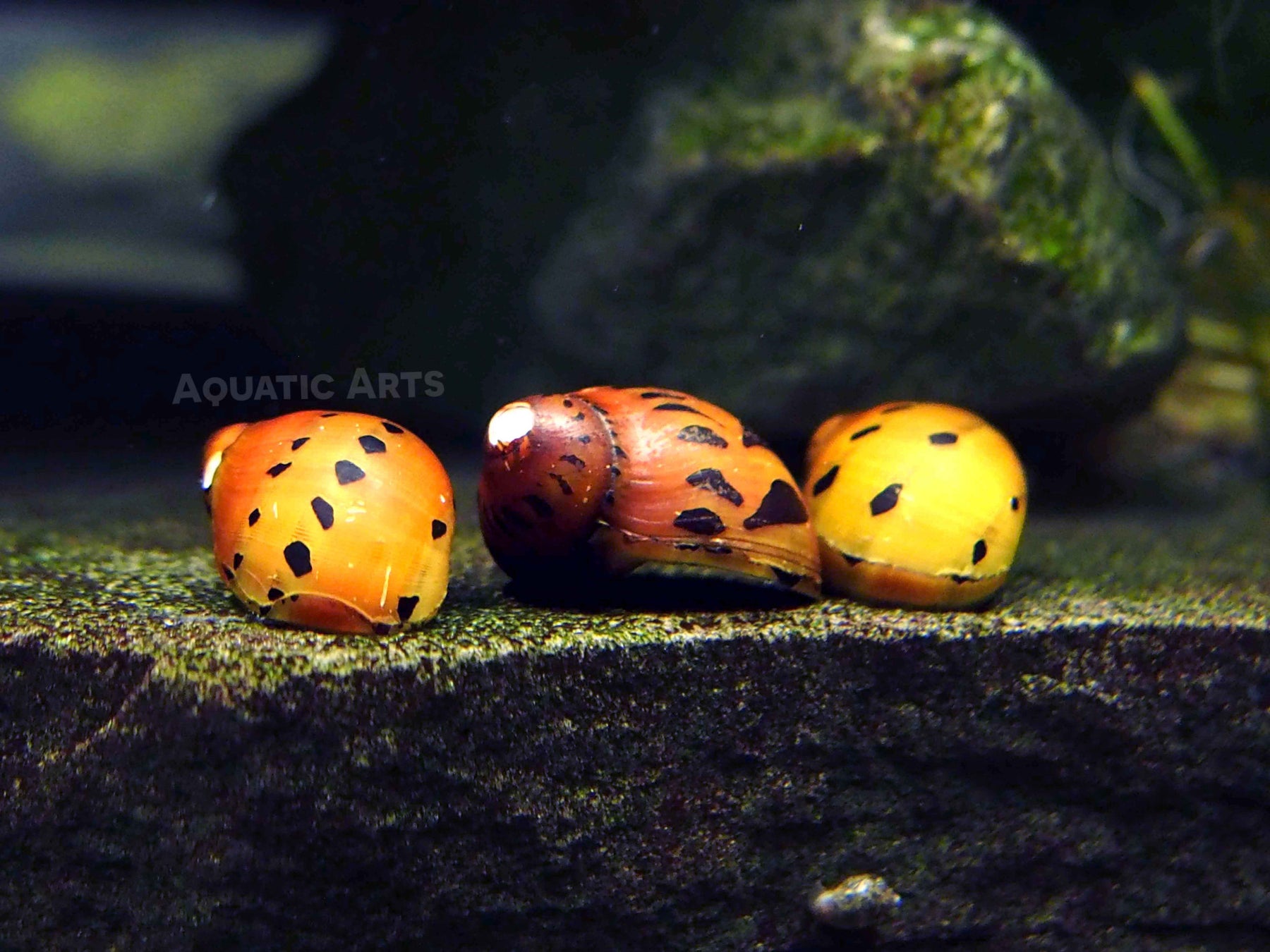
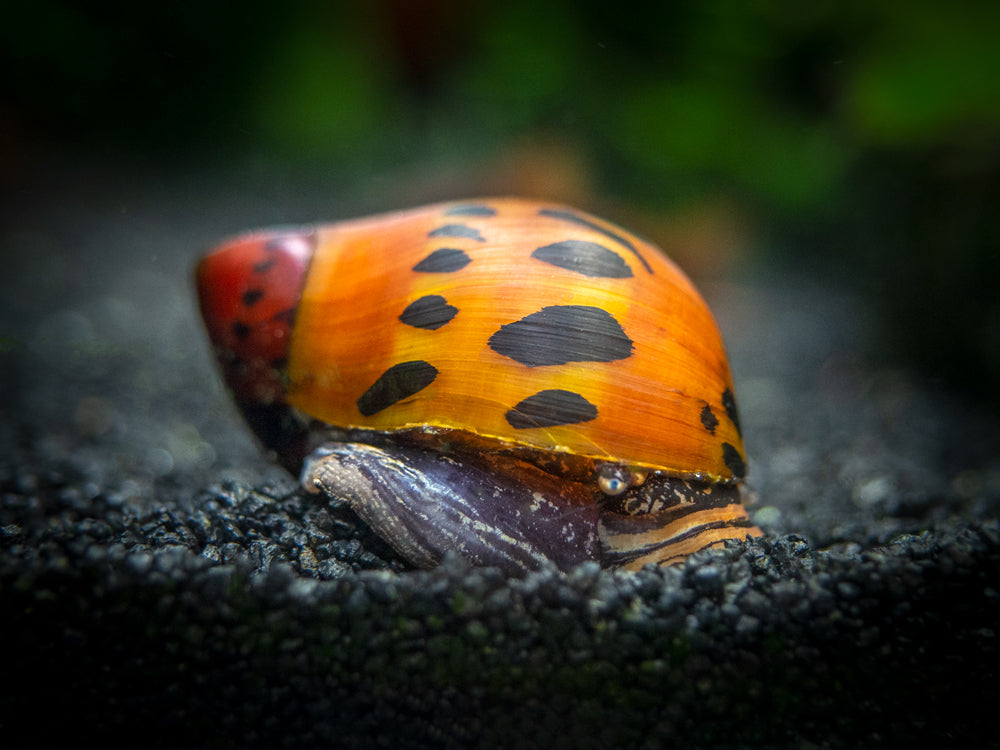
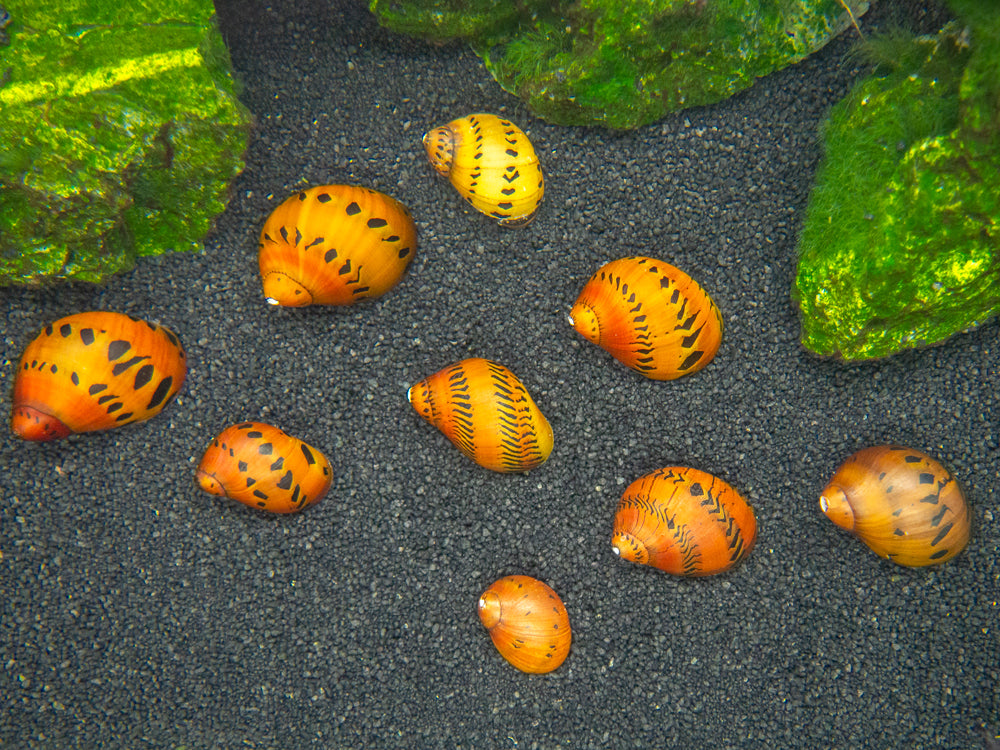
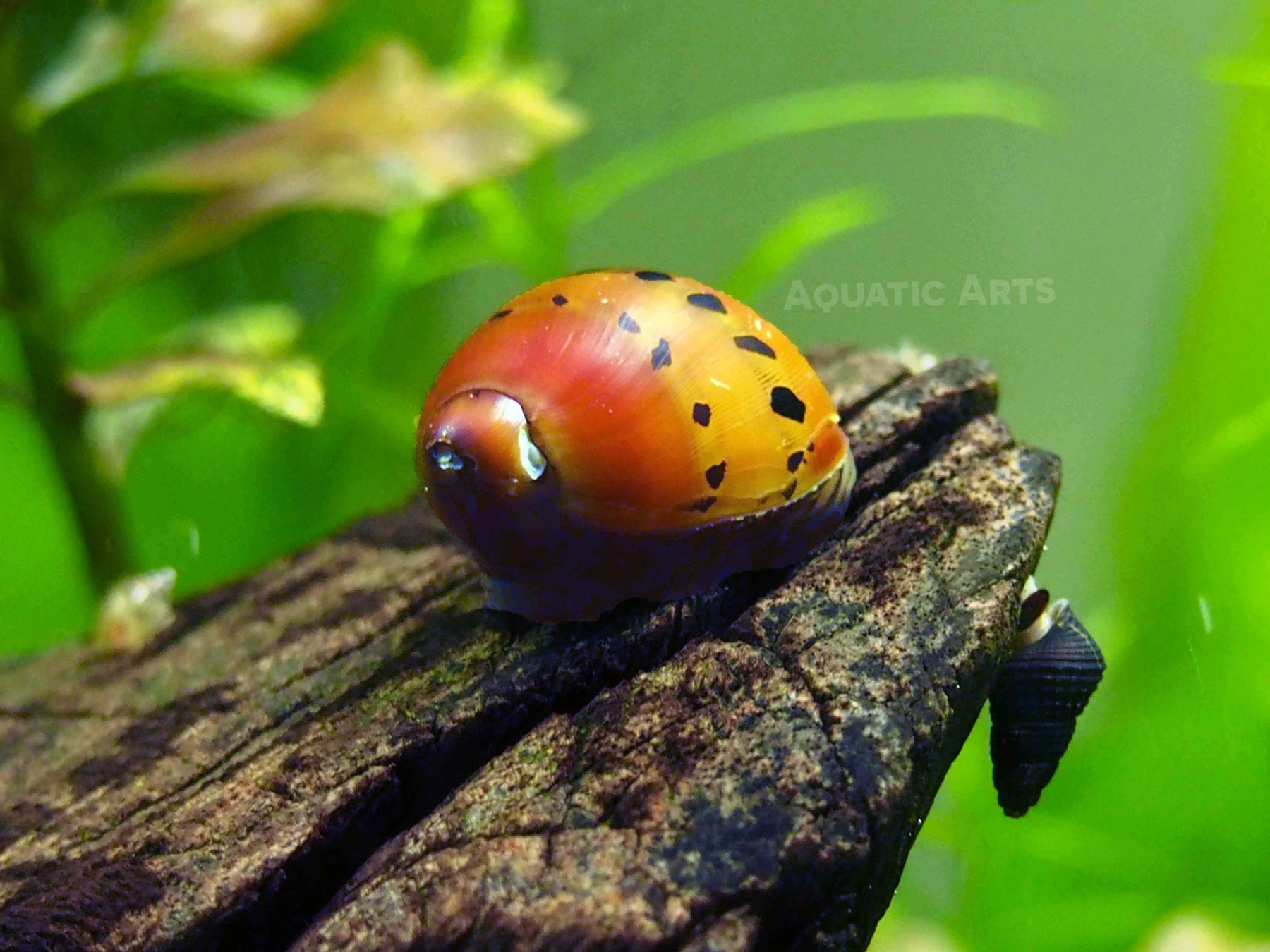
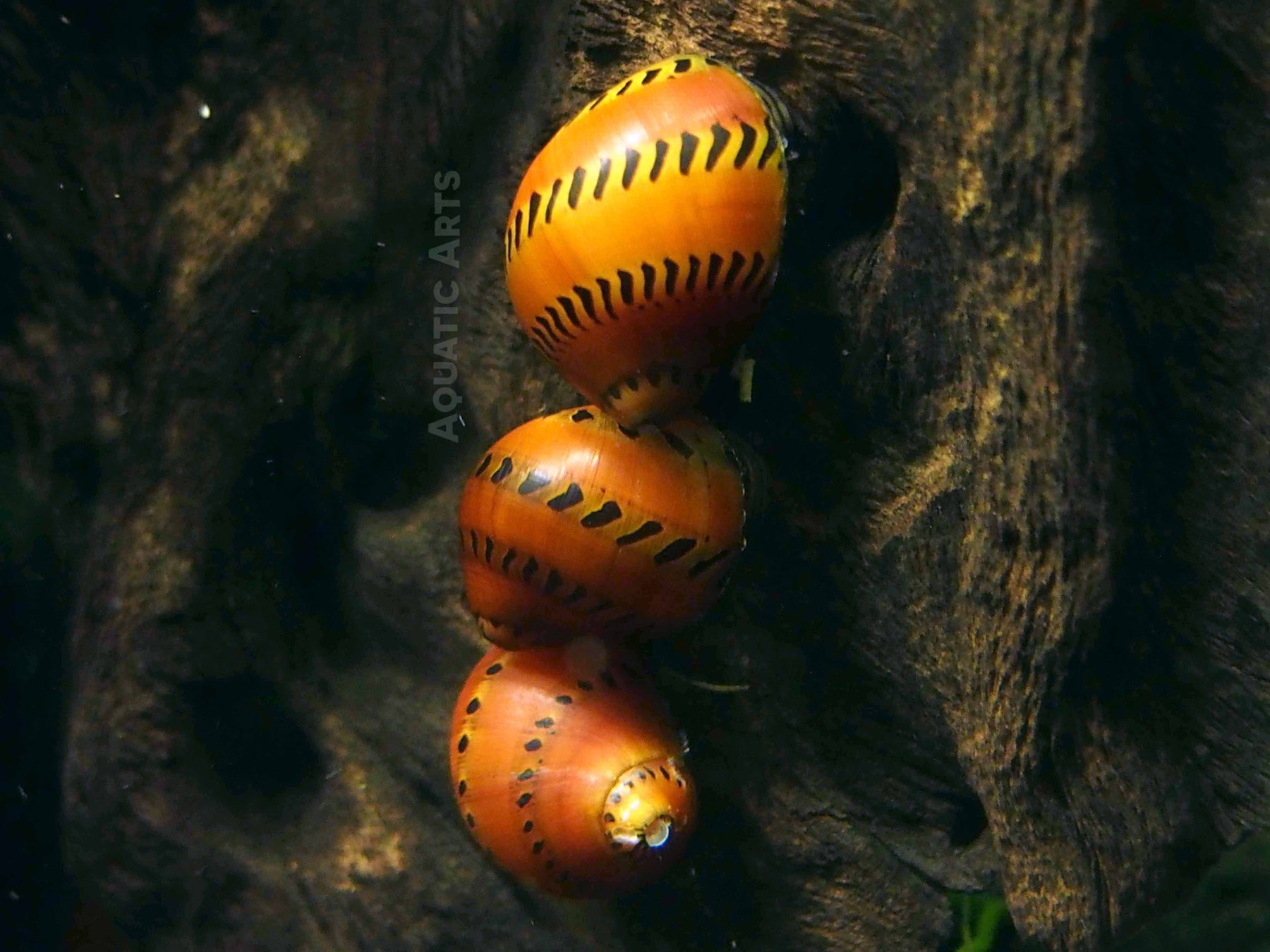
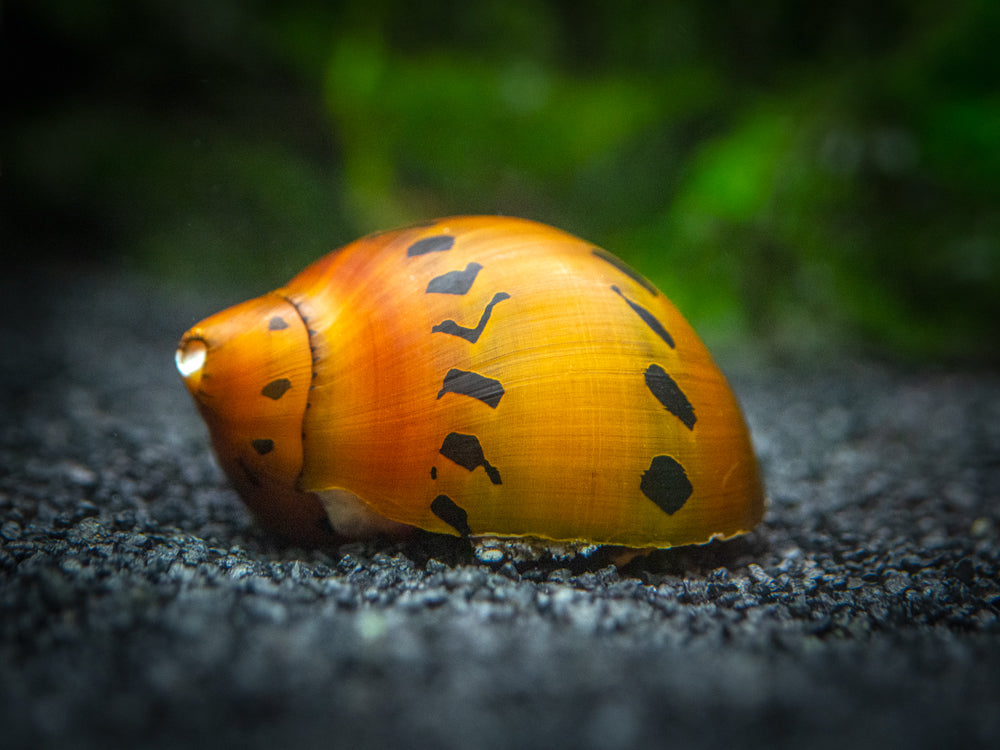
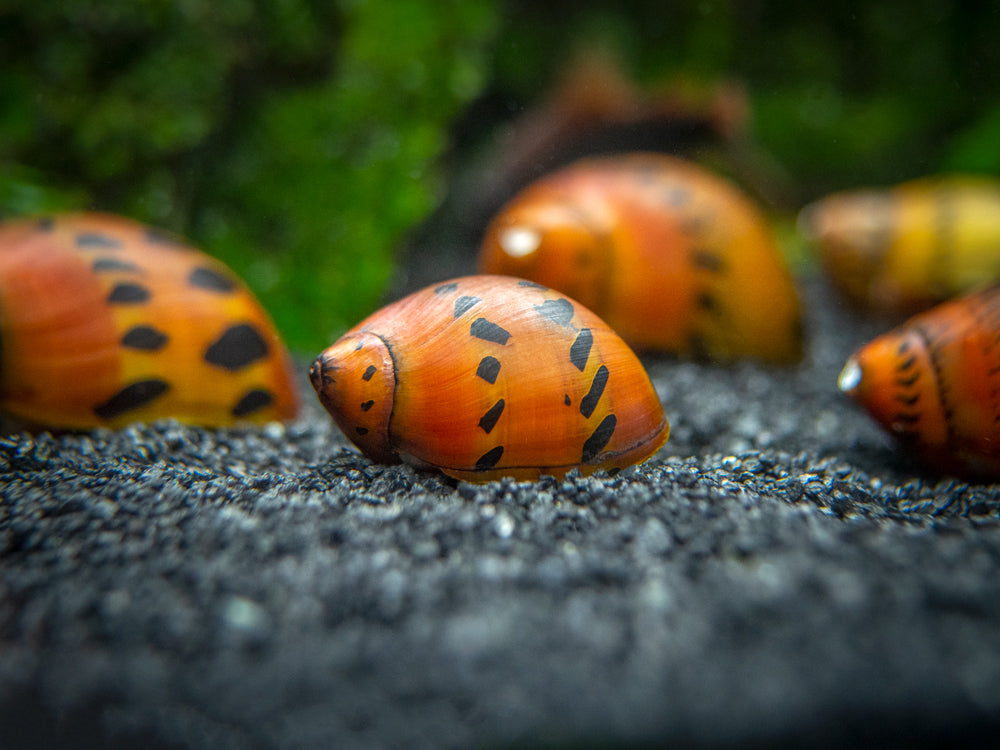
The Tiger Nerite Snail (Neritina semiconica)
Tiger Nerite Snails are typically collected and acclimated for aquarium use. In freshwater systems, Neritina semiconica actively grazes on film algae, diatoms, and soft surface buildup without damaging healthy aquatic plants.
With its compact size, hardy disposition, and focused grazing behavior, the Tiger Nerite Snail is an excellent addition to planted tanks, shrimp aquariums, and freshwater community setups.
Quick Care Guide
• Care Level: Easy
• Temperament: Peaceful
• Diet: Herbivorous grazer; algae, biofilm, algae wafers, spirulina-based foods, blanched vegetables
• Social Behavior: Can be kept singly or in groups
• Average Adult Size: 1–1.25 inches
• Average Purchase Size: 0.5–1 inch
Recommended Tank Parameters
• Temperature: 72–78°F (22–26°C)
• pH: 7.0–8.5
• KH: Moderate to High
• Minimum Tank Size: 5 gallons
All Aquatic Arts brand plants and animals come with a 100% live arrival guarantee, plus free email support!
The original Tiger Nerite Snail (Neritina semiconica) was first documented in tropical coastal river systems of Southeast Asia. In the wild, this species is commonly found on rocks and submerged hard surfaces in areas with moderate flow and stable mineral content.
Natural environments may transition between freshwater and slightly brackish conditions, though Tiger Nerite Snails thrive in freshwater aquariums when provided stable parameters and adequate mineral availability.
These habitats provide abundant algae growth and hard grazing surfaces, conditions that should be replicated in captivity.
Tiger Nerite Snails (Neritina semiconica) thrive in aquariums that provide stable grazing surfaces, clean environmental structure, and consistent mineral balance.
• Hardscape: Rocks, driftwood, and aquarium glass provide essential grazing areas where algae and biofilm naturally accumulate.
• Plants: Fully compatible with planted aquariums. Stem plants, rooted plants, and mosses increase surface area without risk of plant damage.
• Botanicals: Light use of botanicals such as Indian Almond Leaves or alder cones may support natural biofilm growth. Avoid excessive organic buildup that may trap debris.
• Substrate: Sand or smooth gravel is appropriate. Avoid sharp materials that may damage the snail’s foot.
• Mineral Stability: Moderate to higher KH levels are important to maintain shell integrity and reduce erosion.
• Flow: Gentle to moderate flow supports oxygenation and natural grazing activity.
A balanced aquascape with visible algae growth and stable mineral content supports long-term health.
Tiger Nerite Snails (Neritina semiconica) are herbivorous grazers that primarily consume algae and biofilm in freshwater aquariums. They are especially effective at cleaning film algae and diatoms from glass and hard surfaces.
In low-algae aquariums, supplemental feeding may include algae wafers, spirulina-based foods, and blanched vegetables such as zucchini or spinach. Food should be placed on hard surfaces to encourage natural grazing behavior.
Because Neritina semiconica depends on strong shell development, calcium availability is essential. Adequate calcium levels in the water column support shell growth and help prevent shell pitting or erosion. Stable KH and consistent mineral content contribute to long-term shell integrity.
Tank Mates and Compatibility
Tiger Nerite Snails are peaceful and compatible with most non-aggressive freshwater fish and invertebrates.
Avoid housing with snail-eating species such as puffers, certain loaches, or aggressive fish that may harass them.
They integrate well into planted aquariums and shrimp colonies.
Shrimp Compatibility
Tiger Nerite Snails are fully compatible with Neocaridina and Caridina shrimp species. They do not prey on shrimp and generally do not compete aggressively for food.
Their grazing behavior complements shrimp colonies in algae management.
Breeding
Tiger Nerite Snails may lay small white eggs on hard surfaces in freshwater aquariums. However, these eggs will not hatch in freshwater, as larval development requires brackish conditions.
Eggs are harmless but may be visible on rocks, glass, or driftwood.
FAQ
• How big does Tiger Nerite Snail (Neritina semiconica) get?
Tiger Nerite Snails typically grow to about 1–1.25 inches in diameter.
• Do Tiger Nerite Snails eat algae?
Yes. Neritina semiconica is an effective algae grazer that consumes film algae and diatoms.
• Are Tiger Nerite Snails good for planted tanks?
Yes. They do not damage healthy aquatic plants.
• Can Tiger Nerite Snails live in freshwater?
Yes. They thrive in freshwater aquariums, although breeding requires brackish conditions.
• Do Tiger Nerite Snails reproduce in freshwater?
They may lay eggs in freshwater, but the eggs will not hatch without brackish water.
• Are Tiger Nerite Snails shrimp safe?
Yes. They are fully compatible with freshwater shrimp species.
• Do Tiger Nerite Snails need calcium?
Yes. Adequate calcium supports shell growth and prevents erosion.
• What do Tiger Nerite Snails eat if there is no algae?
Supplement with algae wafers and spirulina-based foods.
• Are Tiger Nerite Snails hardy?
They are considered hardy when kept in stable freshwater with moderate mineral content.
• How long do Neritina semiconica live?
With proper care and stable water conditions, Tiger Nerite Snails can live several years.
Meta Description
Tiger Nerite Snail (Neritina semiconica) is a peaceful freshwater algae-eating snail ideal for planted aquariums and shrimp-compatible community tanks.
If you’d like, we can now build a unified “Nerite Family Core Block” so Zebra, Tiger, Olive, etc., share 80% standardized content with controlled variation.
Tiger Nerite Snails (Neritina semiconica) are herbivorous grazers that primarily consume algae and biofilm in freshwater aquariums. They are especially effective at cleaning film algae and diatoms from glass and hard surfaces.
In low-algae aquariums, supplemental feeding may include algae wafers, spirulina-based foods, and blanched vegetables such as zucchini or spinach. Food should be placed on hard surfaces to encourage natural grazing behavior.
Because Neritina semiconica depends on strong shell development, calcium availability is essential. Adequate calcium levels in the water column support shell growth and help prevent shell pitting or erosion. Stable KH and consistent mineral content contribute to long-term shell integrity.
Tiger Nerite Snails are peaceful and compatible with most non-aggressive freshwater fish and invertebrates.
Avoid housing with snail-eating species such as puffers, certain loaches, or aggressive fish that may harass them.
They integrate well into planted aquariums and shrimp colonies.
Tiger Nerite Snails are fully compatible with Neocaridina and Caridina shrimp species. They do not prey on shrimp and generally do not compete aggressively for food.
Their grazing behavior complements shrimp colonies in algae management.
• How big does Tiger Nerite Snail (Neritina semiconica) get?
Tiger Nerite Snails (Neritina semiconica) typically grow to about 1–1.25 inches in diameter when fully mature in a freshwater aquarium.
• Do Tiger Nerite Snails eat algae?
Yes. Tiger Nerite Snails are effective algae grazers that consume film algae, diatoms, and biofilm from glass, rocks, and driftwood surfaces.
• Are Tiger Nerite Snails good for planted tanks?
Yes. Neritina semiconica is safe for planted aquariums and does not damage healthy aquatic plants.
• Can Tiger Nerite Snails live in freshwater?
Yes. Tiger Nerite Snails thrive in freshwater aquariums with stable parameters, although their larvae require brackish water to develop.
• Do Tiger Nerite Snails reproduce in freshwater?
Tiger Nerite Snails may lay small white eggs in freshwater, but the eggs will not hatch without brackish conditions.
• Are Tiger Nerite Snails shrimp safe?
Yes. Neritina semiconica is fully compatible with Neocaridina and Caridina shrimp and does not prey on shrimp.
• Do Tiger Nerite Snails need calcium?
Yes. Adequate calcium levels are important for Tiger Nerite Snails to support shell growth and prevent shell erosion or pitting.
• What do Tiger Nerite Snails eat if there is no algae?
If natural algae is limited, Neritina semiconica may be supplemented with algae wafers, spirulina-based foods, or blanched vegetables.
• Are Tiger Nerite Snails hardy?
Tiger Nerite Snails are considered hardy when kept in stable freshwater with moderate to higher mineral content.
• How long does Neritina semiconica live?
With proper care and consistent water parameters, Tiger Nerite Snails can live several years in a freshwater aquarium..
For the safety of our animals, we only ship live fish, crabs, and select other inverts exclusively via UPS 1 Day Air. If your order contains this item, you will only see UPS 1 Day Air as a shipping option during checkout. If other items are in your cart that can ship with 2 day or standard shipping options the only shipping method you can still select is UPS 1 Day Air.
UPS 1 Day is a description of the duration of time a shipment will spend in transit once it has been shipped. This does not guarantee the package will be shipped the same or next day from which the order was placed.
Shipping Schedule for this service
Current Handling Time:
1-9 business days
Here at Aquatic Arts, we consider the welfare of the live animals we are shipping to be of the foremost importance. This process is much more involved than simply creating a shipping label and affixing it to a box. Depending on the order, it takes from 4 to 7 people to complete this process properly. We check the weather conditions here where they fly out of the Indianapolis UPS facility and the destination for each shipment. We start early each morning and go through a multi-step process to have the day's shipments prepared in time for the UPS pickup. The volume of orders in our system also affects the processing time. Therefore our stated handling time is 1-9 business days.
Shipping Rate
Pricing is by size of package needed to fill entire order and distance it must travel. It will be calculated at checkout.


