

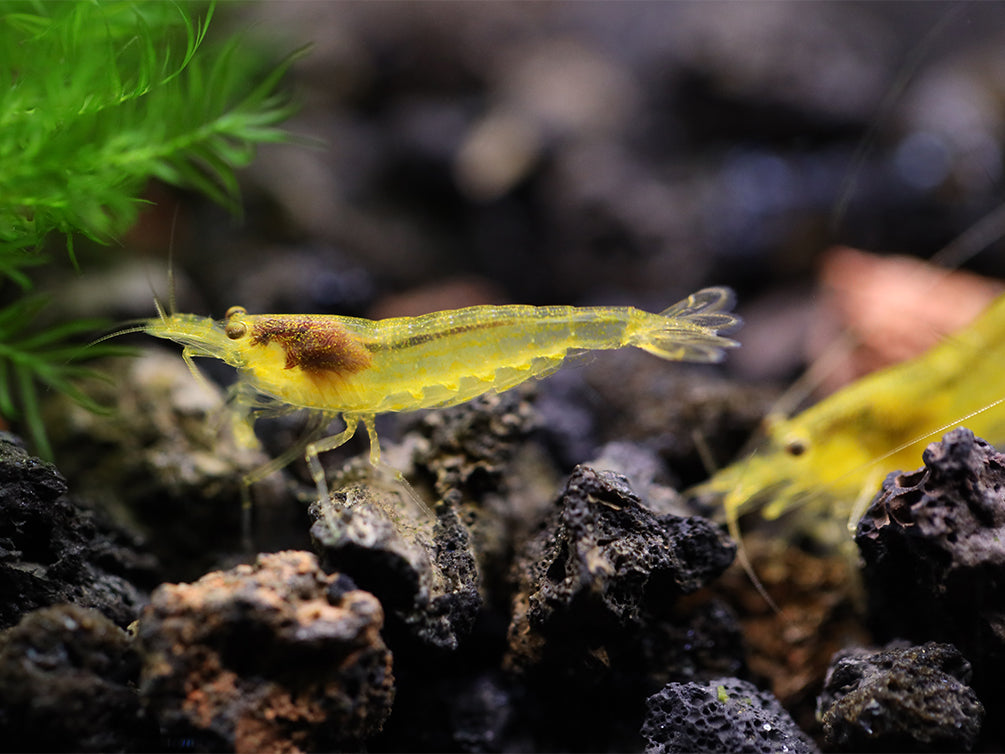
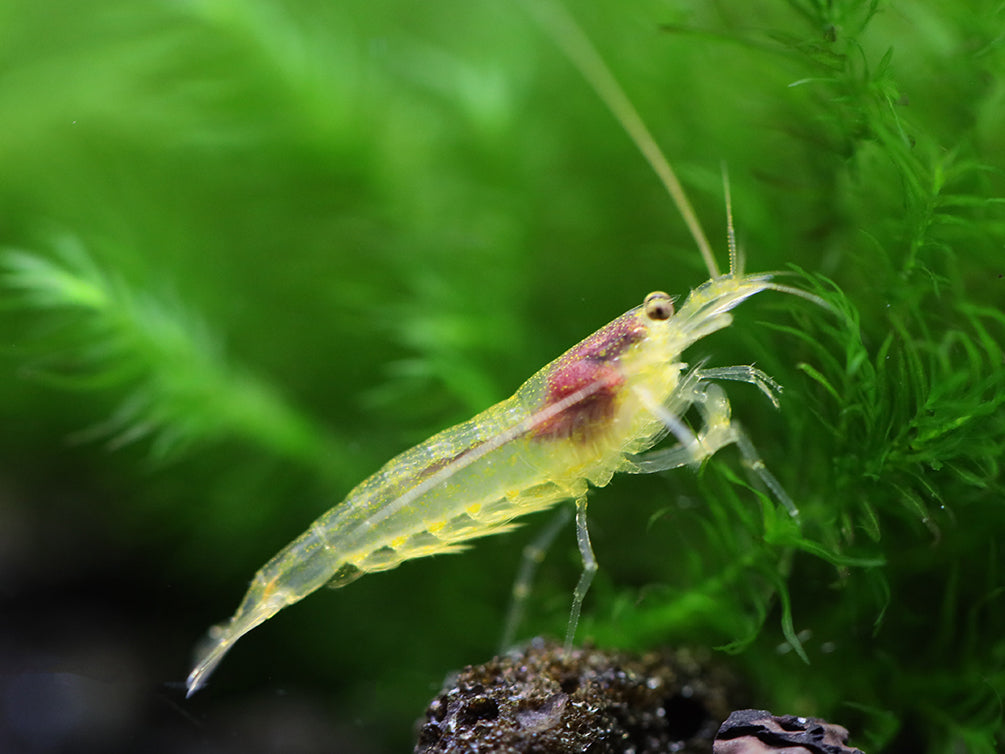
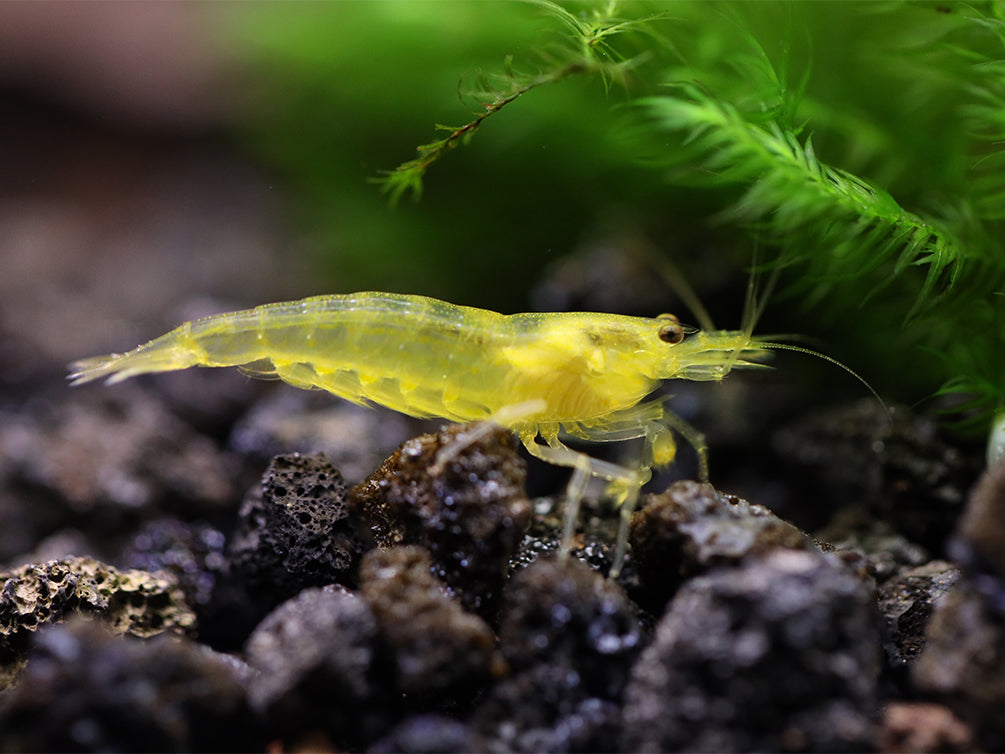
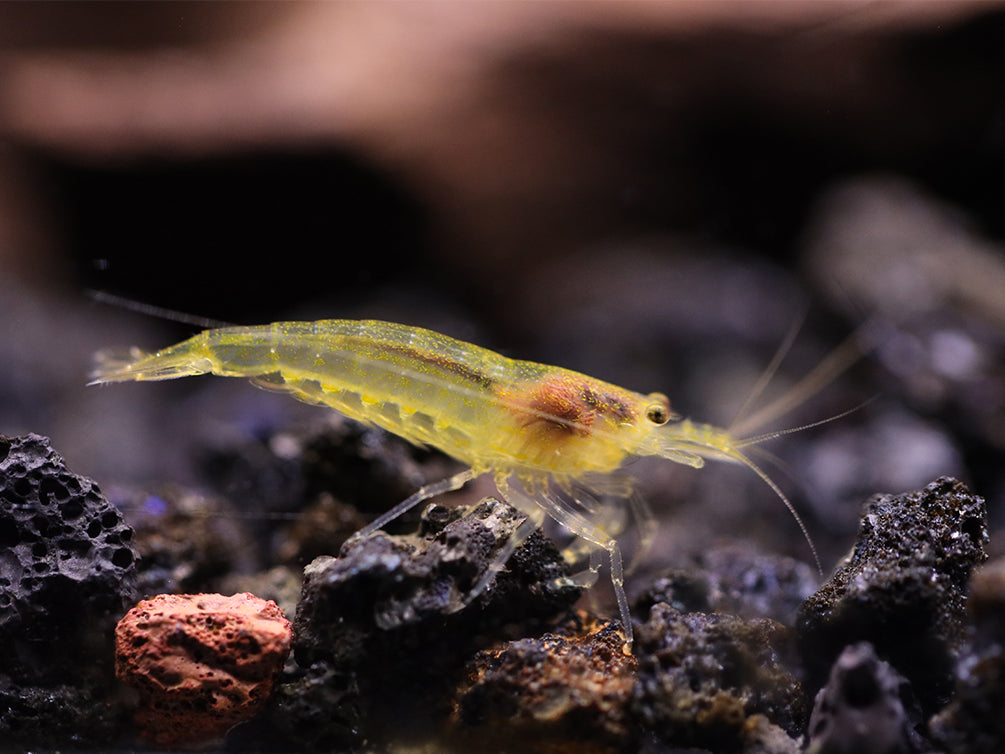


Lemon Yellow Amano Shrimp (Caridina multidentata "Lemon")- Tank Bred
- In stock, ready to ship
- Backordered, shipping soon
Lemon Yellow Amano Shrimp (Caridina
multidentata"Lemon") - Bright and Lively Aquatic Beauties
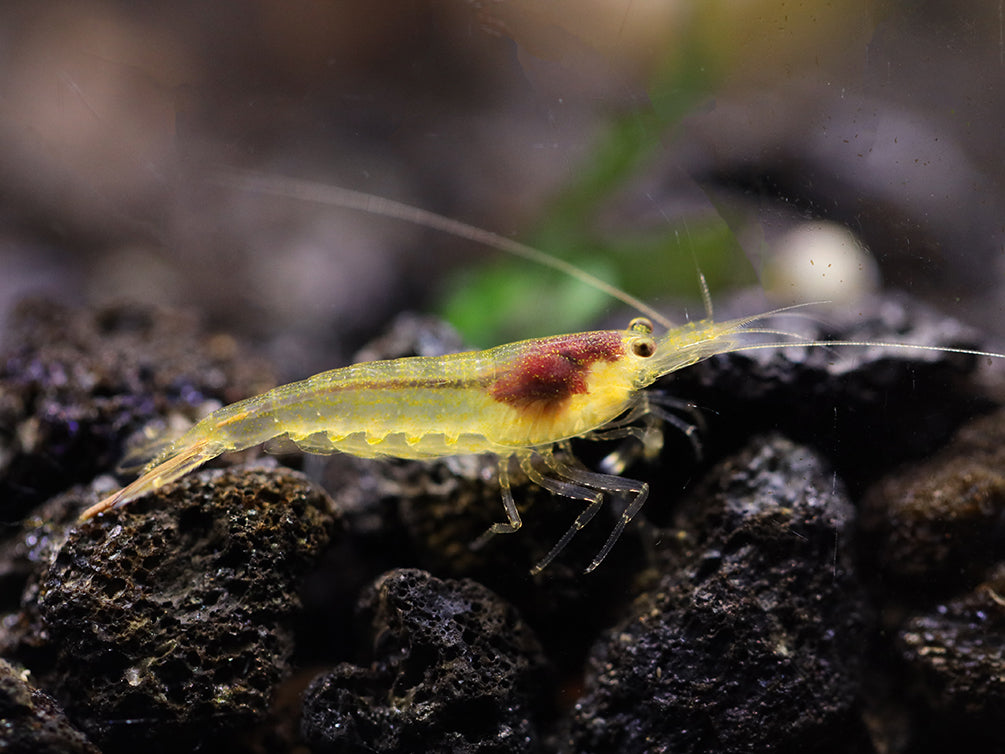
Introducing our Lemon Yellow Amano Shrimp (Caridina multidentata "Lemon"), a striking addition to any freshwater aquarium. These shrimp are celebrated for their vibrant yellow coloration and exceptional hardiness, making them an excellent choice for both novice and experienced aquarists. Like their traditional counterparts, Lemon Yellow Amano Shrimp were originally recognized as Caridina japonica, later reclassified as Caridina multidentata in 2006. Native to the biodiverse waters of Taiwan, these shrimp add a unique splash of color to your tank while performing vital ecological roles. In the wild, Lemon Yellow Amano Shrimp are diligent algae eaters and detritus feeders, contributing to a balanced aquatic environment. Bred and raised with care, our Lemon Yellow Amano Shrimp embody the resilience and vivid beauty of their Taiwanese origins, making them a must-have for any aquarium enthusiast.
These shrimp have been selectively bred to achieve their vibrant yellow coloration and do not require any special food to maintain it. Their natural diet and care are sufficient to keep them looking stunning.
Amano shrimp come in various stunning variants, including Sun Orange Amano Shrimp, Snow Amano, and the classic Wild Form. Each variant offers unique coloration and the same beneficial algae-eating habits, allowing you to choose the perfect shrimp to complement your aquarium's aesthetic.
Note on Size:
The Lemon Yellow Amano Shrimp, like the standard Amano Shrimp, undergo a complex larval developmental stage that makes production both slow and labor-intensive. This striking color variant has been selectively bred over time, and only a small number of breeders are currently producing it. Due to the limited availability and high demand, our supplier is often only able to provide smaller-sized individuals. While these shrimp may arrive smaller than typical Amano Shrimp, they are healthy, active, and will continue to grow and thrive under proper aquarium conditions.
What We Like About The Lemon Yellow Amano:
-
Vibrant Lemon Yellow Coloration: Brighten your aquarium with the striking yellow hues of our Lemon Yellow Amano Shrimp. Their lively coloration brings a cheerful and eye-catching element to any tank.
-
Effective Algae Eaters: Lemon Yellow Amano Shrimp are excellent natural algae controllers, helping to keep your tank clean and clear by consuming unwanted algae. They are a perfect addition to maintain a healthy aquatic environment.
-
Resilient and Versatile: Known for their adaptability, these shrimp thrive in a wide range of water conditions, making them suitable for various freshwater setups, including planted tanks and community aquariums.
-
Peaceful and Social: These shrimp are peaceful and social, getting along well with other tank mates. Their engaging behavior provides endless enjoyment as they explore and interact with their surroundings.
-
Low Maintenance: Lemon Yellow Amano Shrimp are easy to care for, requiring minimal upkeep while contributing to the cleanliness of your tank. They are excellent scavengers, making them a low-maintenance yet valuable addition to any aquarium.
Freshwater Shrimp Diet:
Lemon Yellow Amano Shrimp are continuous scavengers, feeding on algae, biofilm, and decaying plant matter in a well-established aquarium. In newer setups, supplement their diet with high-quality dry foods rich in plant content, feeding them multiple times daily.
Aquatic Arts Snowflake Premium Shrimp Food and Aquatic Arts Pollen Granules Premium Shrimp Food are perfect supplements to keep your shrimp healthy and satisfied. Natural Botanicals are also beneficial, providing essential biofilm and boosting the shrimp's immune system.
Recommended Tank Parameters:
- Minimum Tank Size: 2 gallons, recommended 10 gallon minimum for a colony
- Temperature: 64° - 80° F (17.8° - 26.6° C), the middle of this range is ideal
- pH: 7.0- 7.9
- dGH: 6 - 15
- dKH: 1 - 7
- TDS: 100 - 400
Lemon Yellow Amano Shrimp Care Guidelines:
- Average Purchase Size for Regular: 1/4 - 1 inch (.6 - 2.5 cm)
- Average Adult Size: 1 - 2+ inches (2.5 - 5+ cm)
- Social Behavior: Peaceful
- Origin: Japan, Taiwan, Ryuku Islands, Fiji
Note: Please acclimate your new Lemon Yellow Amano Shrimp carefully to ensure a smooth transition into their new environment.
Add a burst of vibrant yellow to your aquarium with our Lemon Yellow Amano Shrimp – order now and enjoy the lively energy they bring to your aquatic world!
All Aquatic Arts brand plants and animals come with a 100% live arrival guarantee, plus free email support!
What makes Lemon Yellow Amano Shrimp different from standard Amano Shrimp?
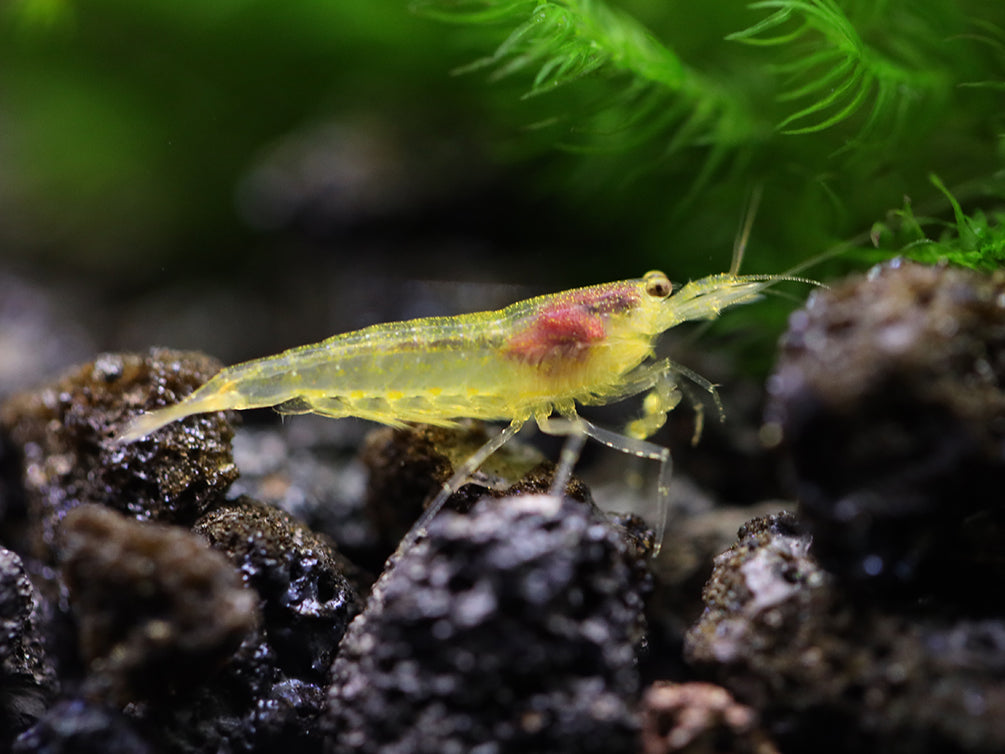
Lemon Yellow Amanos show soft yellow to lemon-toned hues instead of the typical translucent gray. The coloration is subtle and natural, often appearing brighter under good lighting and against darker substrates.
Are Lemon Yellow Amano Shrimp tank bred?
Yes. These Amano Shrimp are tank bred, which is uncommon for the species. Being bred in aquarium conditions helps them acclimate more smoothly and handle captive life better than wild-caught Amanos.
How yellow will Lemon Yellow Amano Shrimp be?
Color intensity varies by individual and environment. Diet, lighting, substrate, and stress all influence color. Expect a warm yellow tint rather than a solid, opaque yellow.
Are Lemon Yellow Amano Shrimp good algae eaters?
Yes. Like all Amano Shrimp, they are excellent algae grazers and very effective at controlling soft algae, biofilm, and leftover food.
Are Lemon Yellow Amano Shrimp compatible with other shrimp?
Yes. They coexist well with Neocaridina, Caridina, and other peaceful shrimp species.
Are Lemon Yellow Amano Shrimp safe with fish?
Generally yes. They do best with peaceful community fish. Very aggressive or predatory fish should be avoided.
Do Lemon Yellow Amano Shrimp breed in freshwater?
No. Like standard Amano Shrimp, they require brackish conditions for larvae to survive and will not reproduce in freshwater aquariums.
Are Lemon Yellow Amano Shrimp active?
Very. They’re constantly grazing and exploring, making them one of the most visible and engaging shrimp in planted tanks.
What kind of tank setup do Lemon Yellow Amano Shrimp prefer?
Established tanks with plants, wood, rocks, and plenty of grazing surfaces work best. Stability matters more than chasing exact parameter numbers.
Who are Lemon Yellow Amano Shrimp best suited for?
They’re ideal for aquarists who want strong algae control with a softer, warmer coloration than standard Amanos—without added difficulty.
Shipping, Arrival & Acclimation
How are Lemon Yellow Amano Shrimp shipped?
They’re packed for live arrival with insulation and temperature control used as needed. Shipping methods prioritize shrimp health over speed.
What should I do as soon as my shrimp arrive?
Open the box promptly and inspect the shrimp while they’re still sealed in the bags. This confirms live arrival and allows quick action if needed.
Is there a live arrival guarantee?
Yes. Lemon Yellow Amano Shrimp are covered by Aquatic Arts’ live arrival guarantee when delivery guidelines are followed.
How should I acclimate Lemon Yellow Amano Shrimp?
Slow acclimation is important. Gradually introduce tank water to the bag water so the shrimp can adjust to temperature and water chemistry differences.
Is drip acclimation recommended?
Yes. Drip acclimation is strongly recommended for Amano Shrimp and helps reduce stress and post-arrival losses.
Can I add the shrimp directly to the tank after acclimation?
Yes. Once acclimated, gently net the shrimp into the aquarium. Avoid adding bag water to the tank.
What should I expect during the first few days?
Some hiding is normal. Most Amano Shrimp become active quickly once they begin grazing.
Is it normal if an Amano Shrimp molts shortly after arrival?
Yes. Molting after shipping is common and usually a good sign that the shrimp is adjusting.
Should I feed right away after arrival?
You can wait a day. Amanos will immediately graze on algae and biofilm. Light feeding after they settle is best.
What tanks are best for newly arrived Lemon Yellow Amano Shrimp?
Established, fully cycled tanks with visible biofilm and stable parameters are ideal.
Shell Care & Calcium (Important for All Invertebrates)
Once acclimation is complete, long-term success depends on shell and mineral support. This applies to all snails, shrimp, crabs, and crayfish.
Why is calcium important for invertebrates?
Calcium and trace minerals are required to build and maintain shells and exoskeletons. Without proper mineral support, shrimp can struggle to harden properly after molting.
Which animals need calcium and mineral support?
All invertebrates do. If it has a shell or exoskeleton, minerals matter.
What problems are caused by low minerals?
Common issues include failed molts, soft shells, post-molt weakness, and higher loss rates—especially after shipping or water changes.
Is it normal to see molts after arrival?
Yes. Clear molts are a good sign and indicate growth, not death.
Should molts be removed from the tank?
No. Leaving molts in the tank allows shrimp to reclaim calcium naturally. They’re often consumed within a day.
Can shell or molt issues be reversed?
Old damage won’t disappear, but new growth and future molts can improve significantly once mineral balance, diet, and stability are corrected.
Does water hardness affect molting success?
Yes. Extremely soft or acidic water can make molting more difficult. Supplemental calcium is especially helpful in these conditions.
What’s the easiest way to provide calcium?
Cuttlebone is a simple, low-maintenance option that slowly releases calcium and can remain in the tank.
Does diet affect molting and shell health?
Absolutely. In addition to natural grazing, offering quality invertebrate diets helps provide consistent mineral intake. Dedicated foods from Kats Aquatics are an easy way to support successful molts.
What helps most after acclimation?
Stable parameters, available calcium, gentle feeding, and avoiding sudden changes. Consistency is the key to long-term success.
For the safety of our animals, we only ship live fish, crabs, and select other inverts exclusively via UPS 1 Day Air. If your order contains this item, you will only see UPS 1 Day Air as a shipping option during checkout. If other items are in your cart that can ship with 2 day or standard shipping options the only shipping method you can still select is UPS 1 Day Air.
UPS 1 Day is a description of the duration of time a shipment will spend in transit once it has been shipped. This does not guarantee the package will be shipped the same or next day from which the order was placed.
Shipping Schedule for this service
Current Handling Time:
1-9 business days
Here at Aquatic Arts, we consider the welfare of the live animals we are shipping to be of the foremost importance. This process is much more involved than simply creating a shipping label and affixing it to a box. Depending on the order, it takes from 4 to 7 people to complete this process properly. We check the weather conditions here where they fly out of the Indianapolis UPS facility and the destination for each shipment. We start early each morning and go through a multi-step process to have the day's shipments prepared in time for the UPS pickup. The volume of orders in our system also affects the processing time. Therefore our stated handling time is 1-9 business days.
Shipping Rate
Pricing is by size of package needed to fill entire order and distance it must travel. It will be calculated at checkout.
