




Thai Micro Crabs (Limnopilos naiyanetri)
- In stock, ready to ship
- Backordered, shipping soon
Due to their small size, these crabs pose little or no threat to most fish or other aquarium inhabitants; however, aggressive fish or animals may come after the micro crabs.
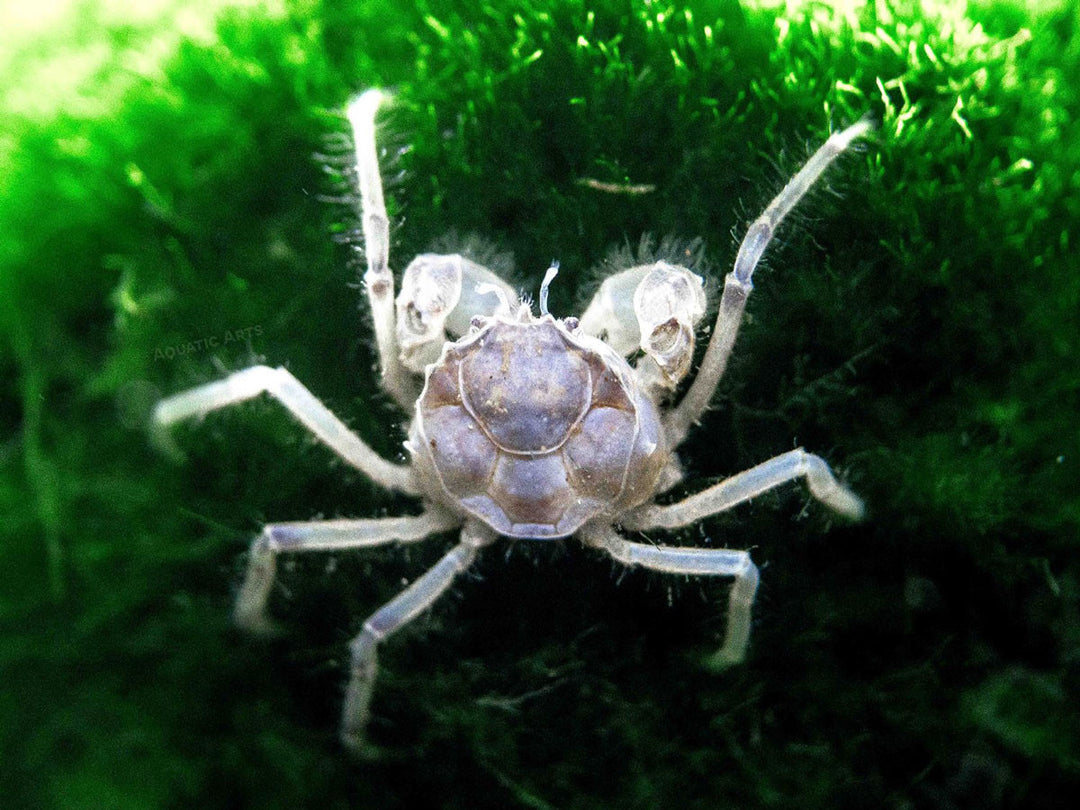
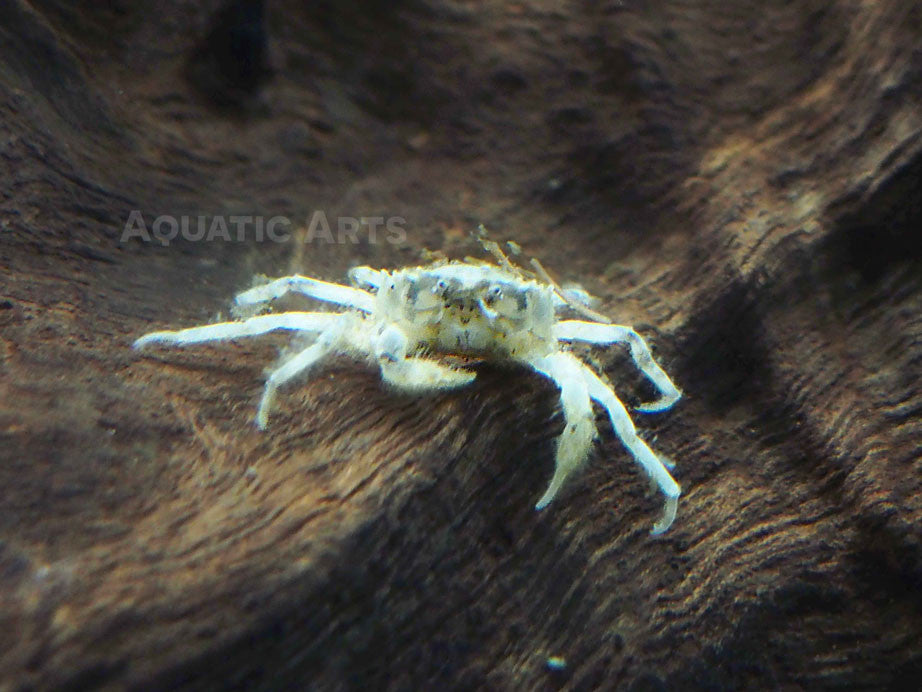
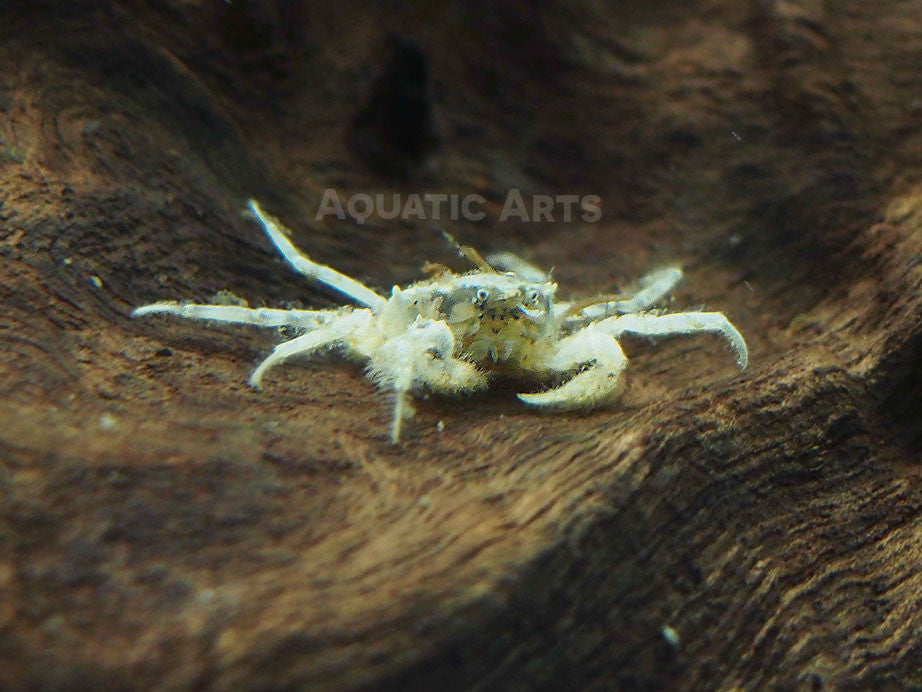
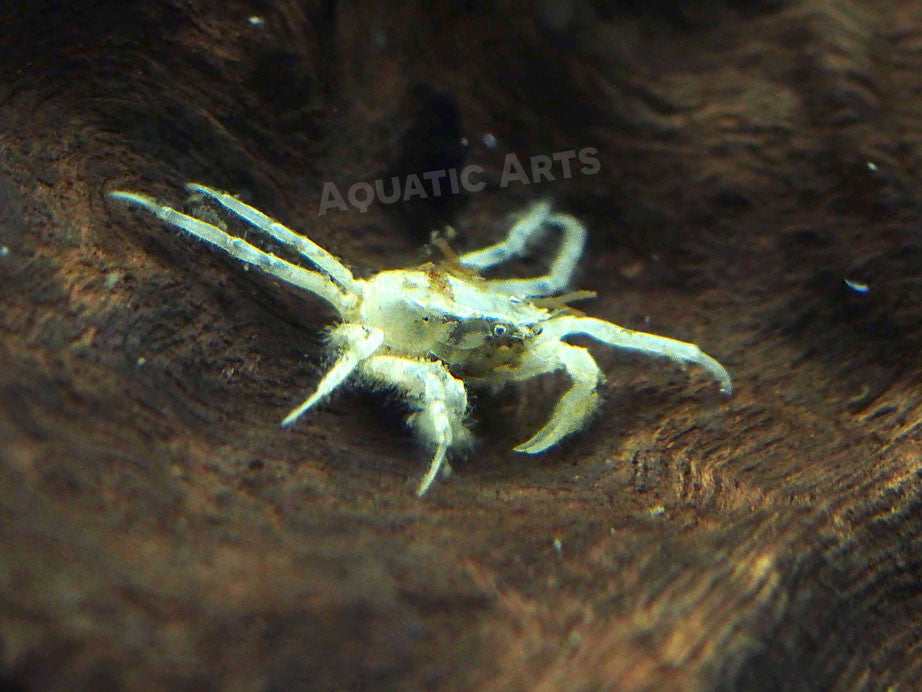
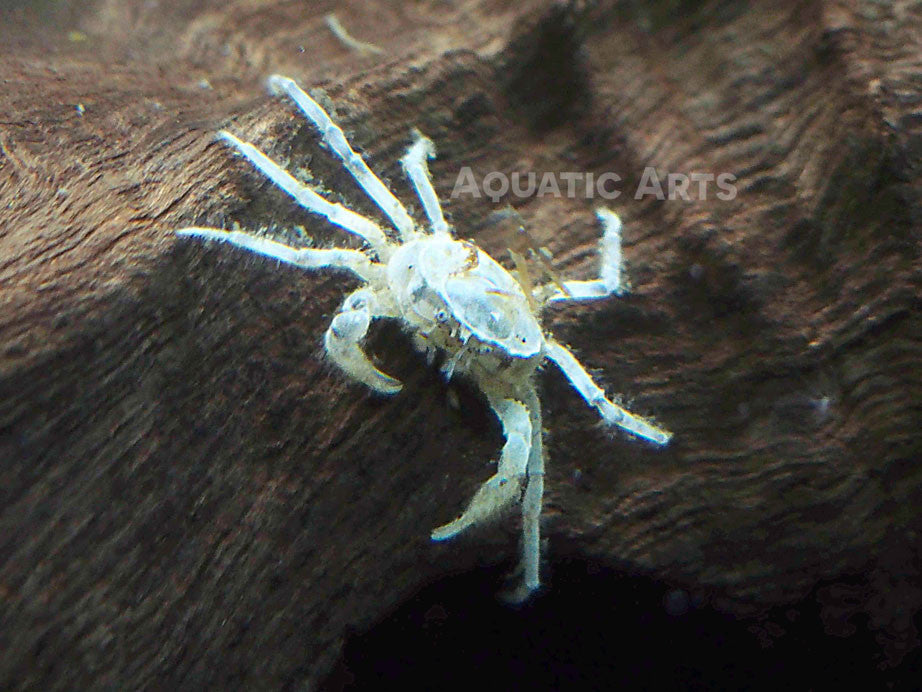
The Thai Micro Crab (Limnopilos naiyanetri) is a fully aquatic freshwater crab species prized for its extremely small size and filter-feeding behavior. Native to Thailand, this delicate crab is known for its translucent to light brown coloration and distinctive fan-like appendages used to collect microscopic food particles from the water column.
Unlike many crab species, Thai Micro Crabs remain small and are generally peaceful, making them suitable for well-structured nano aquariums. Their subtle movement and unique feeding style add quiet interest to planted shrimp-focused ecosystems.
Due to their small size and specialized feeding habits, Thai Micro Crabs are best suited for mature, established aquariums with stable water parameters and consistent micro-particle availability.
Quick Care Guide
• Care Level: Moderate
• Temperament: Peaceful
• Diet: Filter feeder; powdered foods, biofilm, micro-particle foods, finely crushed flakes
• Social Behavior: Can be kept singly or in small groups
• Average Adult Size: 0.5 inch
• Average Purchase Size: 0.25–0.4 inch
Recommended Tank Parameters
• Temperature: 72–80°F (22–27°C)
• pH: 6.5–7.5
• KH: Low to Moderate
• Minimum Tank Size: 5 gallons
All Aquatic Arts brand plants and animals come with a 100% live arrival guarantee, plus free email support!
Thai Micro Crabs (Limnopilos naiyanetri) thrive in mature, planted freshwater aquariums that provide structure, gentle current, and stable environmental conditions. Because this species is a true filter feeder, aquascaping is not purely aesthetic — it directly impacts feeding success and long-term health.
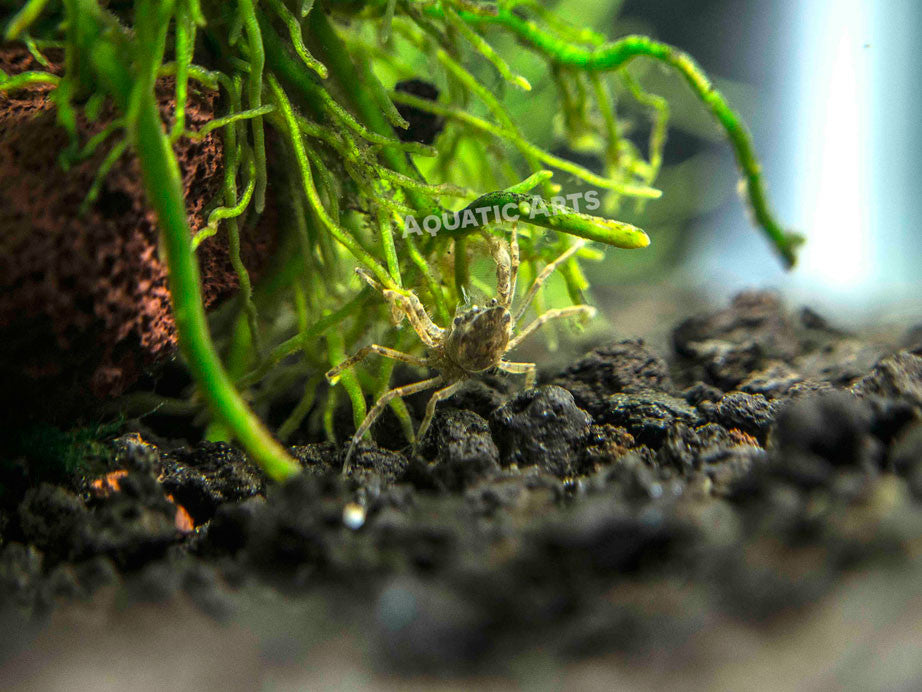
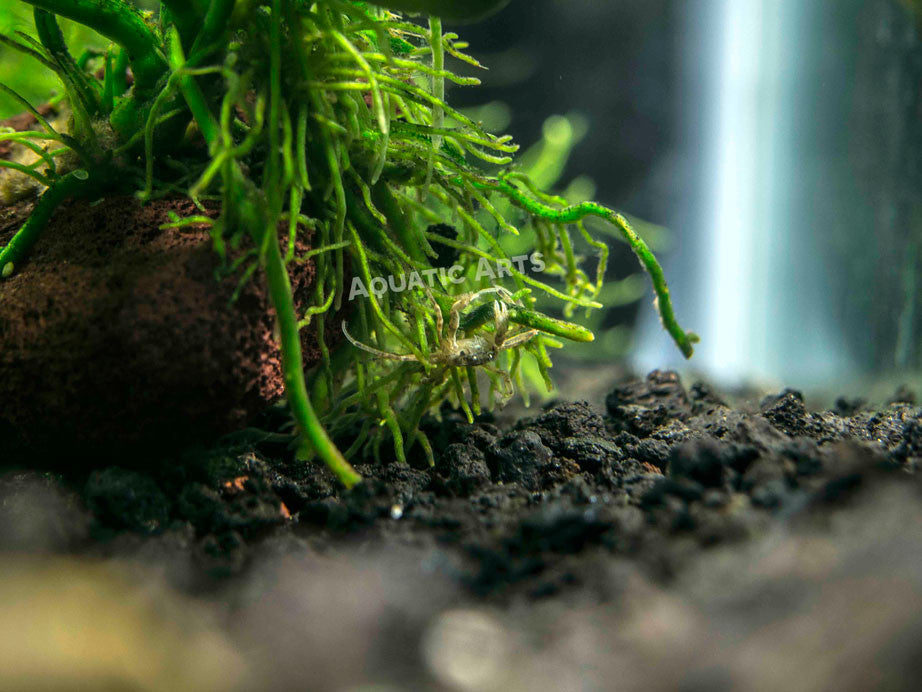
In nature, Limnopilos naiyanetri anchors itself to submerged vegetation, driftwood, and fine root systems while extending its delicate fan-like appendages into slow-moving water to collect suspended food particles. Replicating this setup in captivity significantly improves survival and visible feeding behavior.
• Plant Density: Dense plant growth is highly recommended. Fine-leaved stem plants, mosses, and rooted plants provide natural perching and attachment points. Mosses are particularly beneficial, as they collect micro-particles and biofilm that contribute to supplemental feeding.
• Hardscape Structure: Driftwood, small branches, and textured rock create elevated surfaces where micro crabs can anchor and filter feed. Avoid oversized hardscape that disrupts scale in nano environments.
• Flow Considerations: Gentle directional flow is ideal. A mild current helps suspend powdered foods and micro-particles in the water column without creating stress. Strong current can dislodge them or force constant repositioning.
• Intake Safety: All filter intakes should be protected with sponge pre-filters. Due to their extremely small size, Thai Micro Crabs are vulnerable to standard intake suction.
hai Micro Crabs (Limnopilos naiyanetri) are obligate filter feeders that rely on suspended microscopic food particles rather than scavenging large sinking foods. Their feeding appendages are adapted to capture micro-organisms, powdered foods, and fine particulate matter from the water column.
Because of this specialization, feeding strategy is critical.
In the aquarium, they benefit from:
High-quality powdered invertebrate foods
Finely crushed flake dispersed into the water column
Specialized shrimp powder foods
Micro-particle suspension feeds
Naturally occurring biofilm and microfauna
Unlike shrimp or larger crabs, Thai Micro Crabs do not actively forage for solid pellets. If food sinks immediately and remains intact, they may not access it effectively. Light broadcast feeding that allows particles to remain suspended briefly is preferred.
Although they do not require heavy protein feeding, trace protein and varied micro-nutrition support molting and overall vitality. Mineral stability is also important for successful molting cycles. Maintaining appropriate KH and calcium availability in the water supports shell development.
In very clean, heavily filtered aquariums with minimal particulate matter, supplemental powdered feeding becomes essential to prevent slow starvation.
Proper feeding and mineral balance are the two most important factors in maintaining Thai Micro Crabs long term.
Thai Micro Crabs are peaceful and best suited for calm nano community aquariums.
They can be housed with small, non-aggressive nano fish and shrimp species. Avoid housing with larger fish, predatory species, or aggressive invertebrates that may prey on or harass them.
Due to their small size, even moderately sized fish may pose a risk.
Thai Micro Crabs are generally compatible with Neocaridina and Caridina shrimp in well-structured aquariums.
They do not actively prey on shrimp; however, food competition may occur in heavily stocked tanks. Providing adequate micro-food distribution reduces stress.
Avoid housing with aggressive crayfish or larger crab species.
Breeding Thai Micro Crabs in home aquariums is uncommon and not consistently documented. Larval stages may require specific conditions, and successful captive reproduction remains rare in standard freshwater setups.
How small are Thai Micro Crabs really?
Very small. Their body is about the size of a pea, and even with legs included, they’re still tiny. Most people are surprised by just how delicate and miniature they are in person.
Are Thai Micro Crabs fully aquatic?
Yes. Thai Micro Crabs are fully aquatic and do not need land access. They spend their entire lives underwater and should never be kept in paludariums or semi-aquatic setups.
Do Thai Micro Crabs hide a lot?
Yes, and that’s completely normal. They’re naturally shy and spend much of their time tucked into plants, moss, or hardscape. Seeing one out in the open is a treat, not a guarantee.
Can Thai Micro Crabs live with fish?
Only very small, peaceful fish—and even then, caution is needed. Because of their size, they’re best kept in species-only tanks or with tiny, non-aggressive tank mates.
Are Thai Micro Crabs shrimp safe?
Yes. They’re considered shrimp safe and are commonly kept with Neocaridina and Caridina shrimp. They don’t hunt or chase shrimp.
What do Thai Micro Crabs eat?
They feed on biofilm, micro-organisms, and fine foods. Powdered foods, crushed pellets, and naturally occurring biofilm are essential for their long-term success.
Do Thai Micro Crabs clean algae?
Not in a noticeable way. They may graze lightly on biofilm, but they’re not an algae control species. Their value is in behavior and uniqueness, not utility.
Are Thai Micro Crabs easy to keep?
They’re considered delicate. Stable water conditions, mature tanks, and plenty of biofilm are key. They’re not recommended for brand-new aquariums.
Do Thai Micro Crabs reproduce in aquariums?
Breeding is rare and unpredictable. While it has happened in captivity, it’s not something most hobbyists should expect.
Who are Thai Micro Crabs best suited for?
They’re best for experienced hobbyists who enjoy subtle, observational animals. If you’re patient and appreciate tiny details rather than constant activity, this species can be incredibly rewarding.
For the safety of our animals, we only ship live fish, crabs, and select other inverts exclusively via UPS 1 Day Air. If your order contains this item, you will only see UPS 1 Day Air as a shipping option during checkout. If other items are in your cart that can ship with 2 day or standard shipping options the only shipping method you can still select is UPS 1 Day Air.
UPS 1 Day is a description of the duration of time a shipment will spend in transit once it has been shipped. This does not guarantee the package will be shipped the same or next day from which the order was placed.
Shipping Schedule for this service
Current Handling Time:
1-9 business days
Here at Aquatic Arts, we consider the welfare of the live animals we are shipping to be of the foremost importance. This process is much more involved than simply creating a shipping label and affixing it to a box. Depending on the order, it takes from 4 to 7 people to complete this process properly. We check the weather conditions here where they fly out of the Indianapolis UPS facility and the destination for each shipment. We start early each morning and go through a multi-step process to have the day's shipments prepared in time for the UPS pickup. The volume of orders in our system also affects the processing time. Therefore our stated handling time is 1-9 business days.
Shipping Rate
Pricing is by size of package needed to fill entire order and distance it must travel. It will be calculated at checkout.
