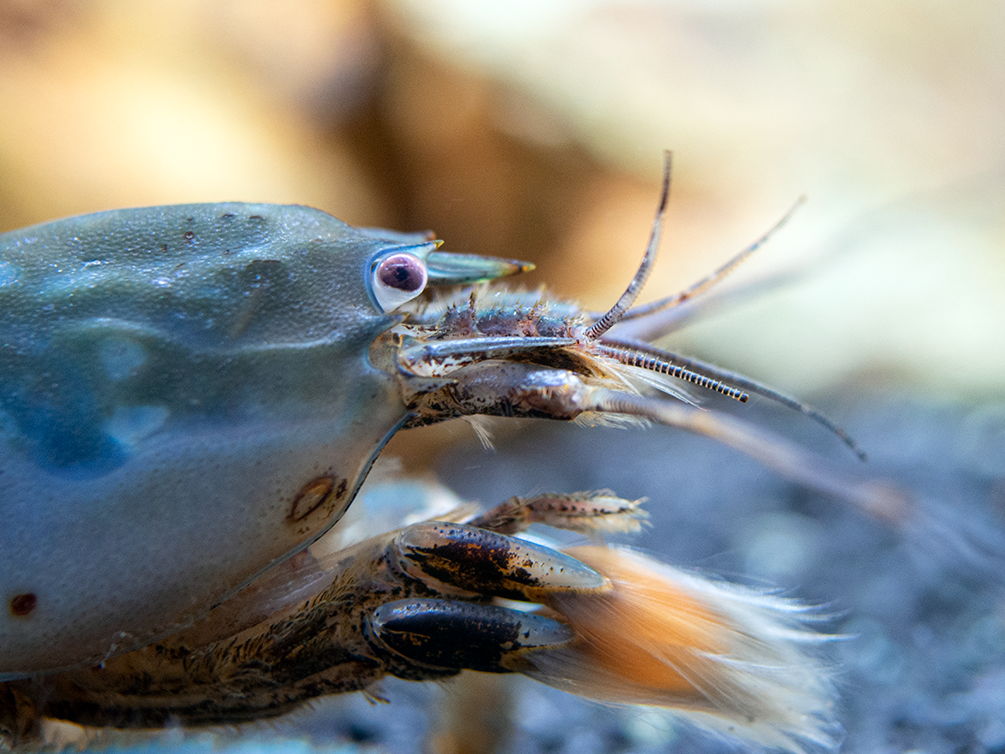
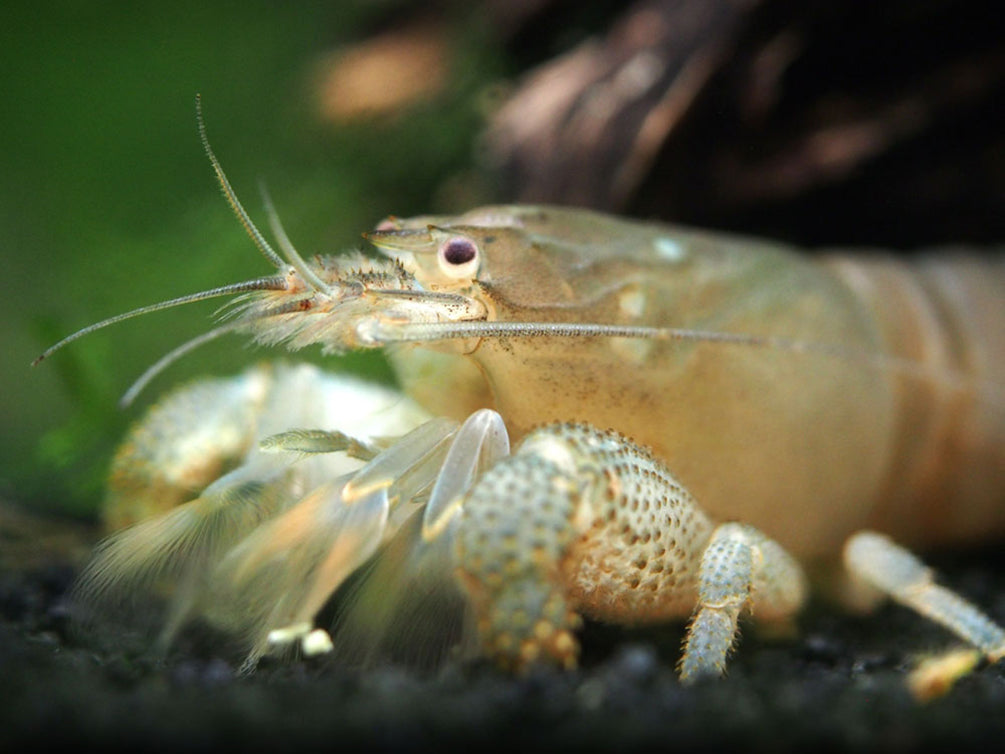
Vampire AKA Viper Shrimp (Atya gabonensis)
- In stock, ready to ship
- Backordered, shipping soon
Species Overview
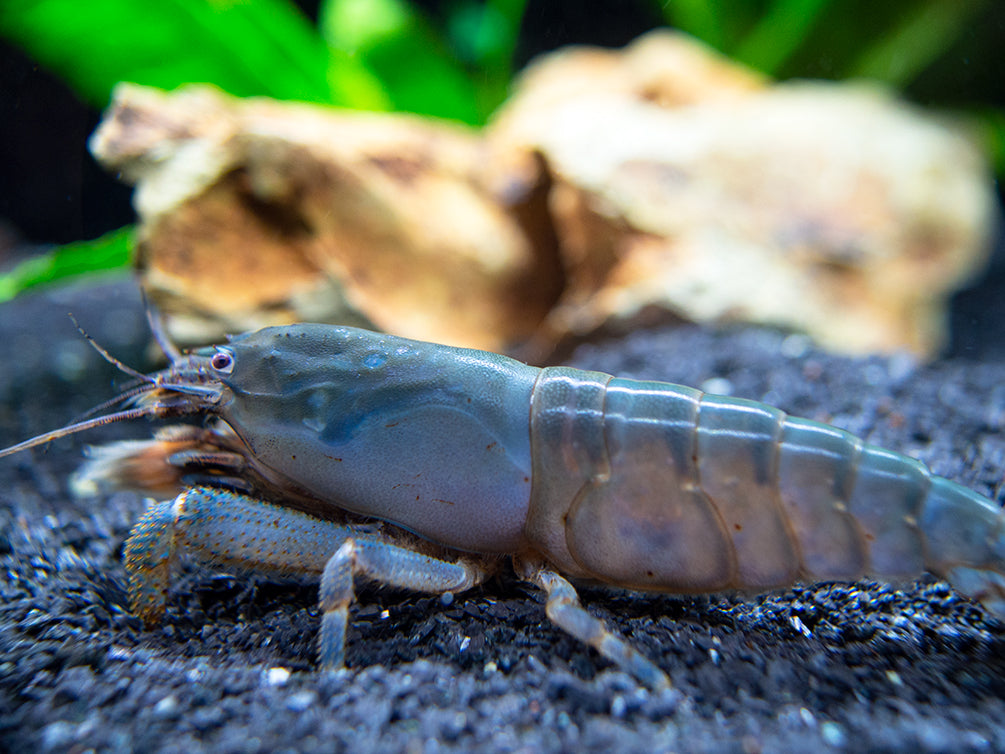
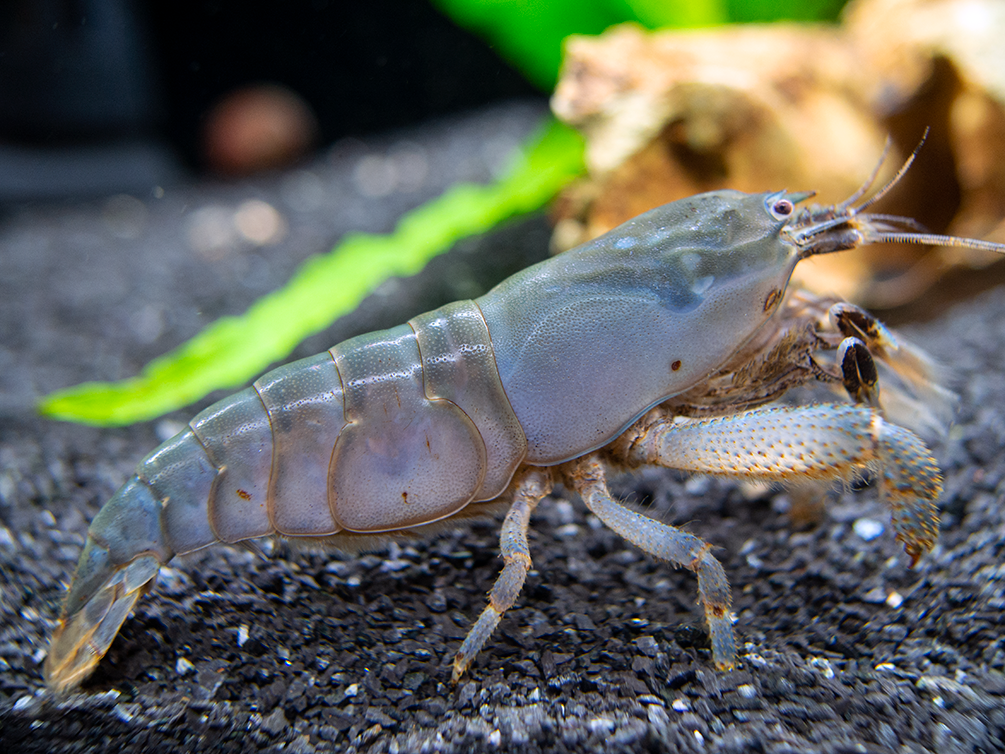
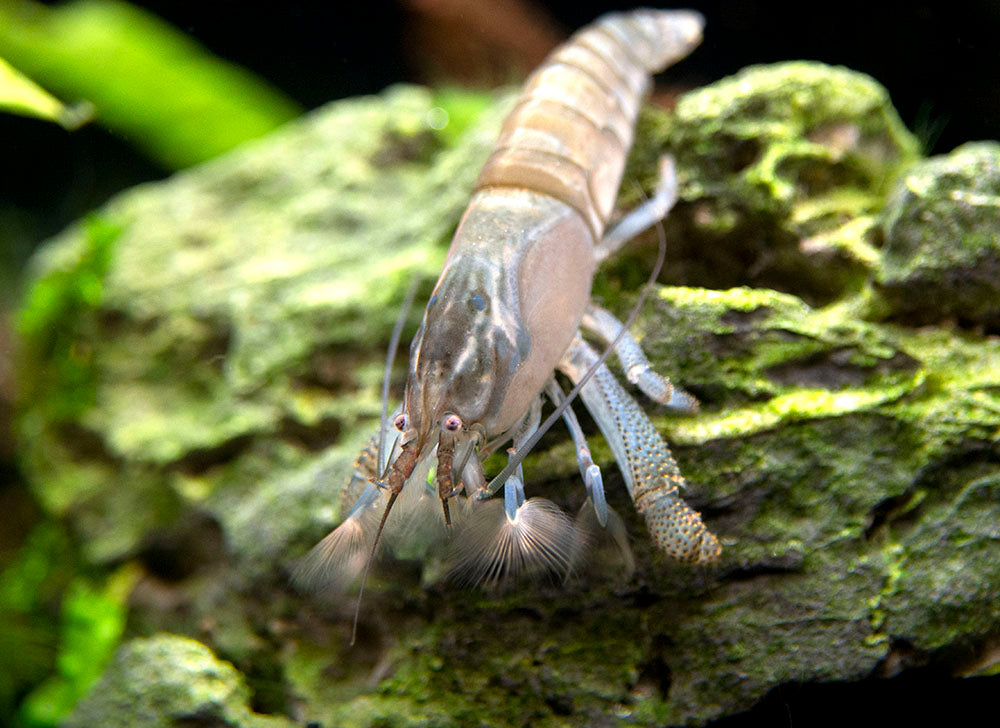
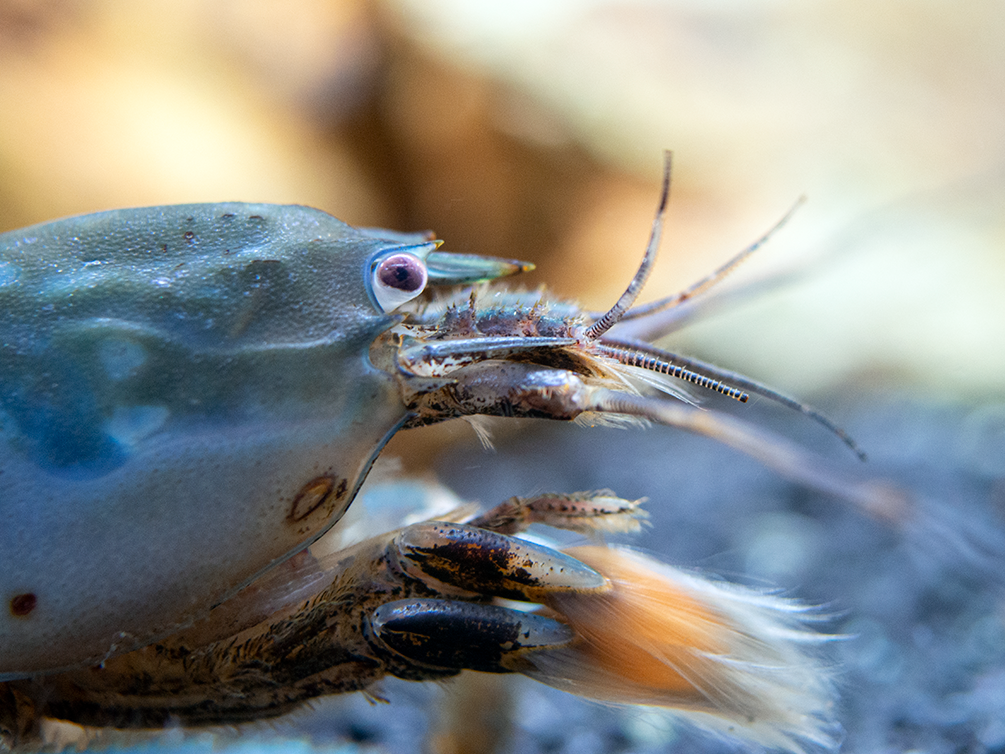
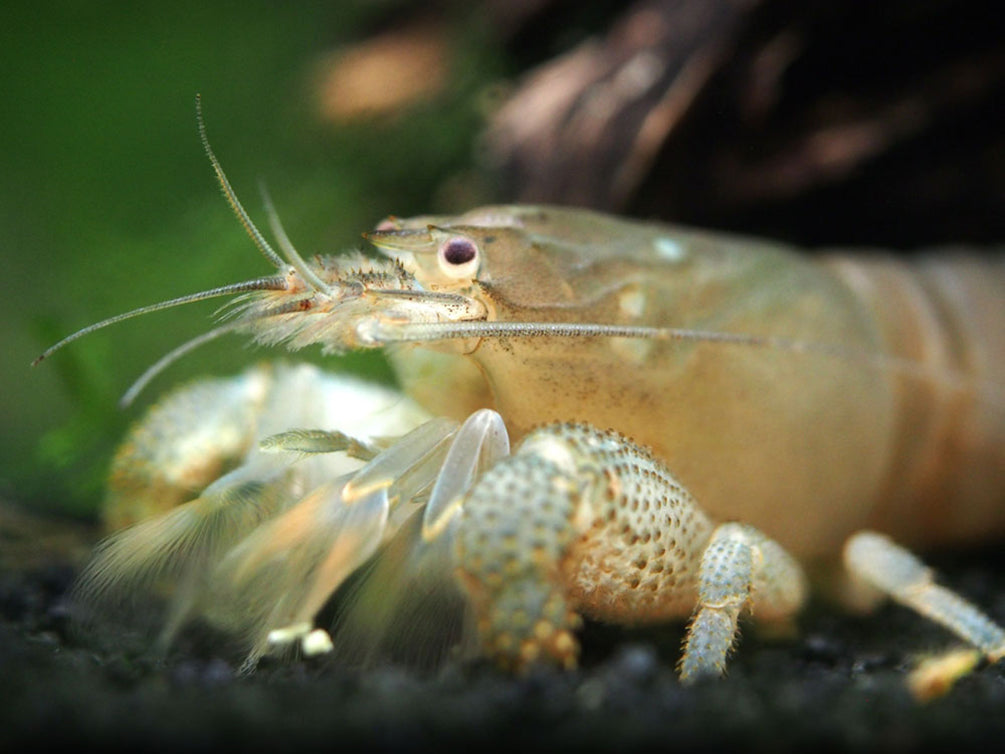
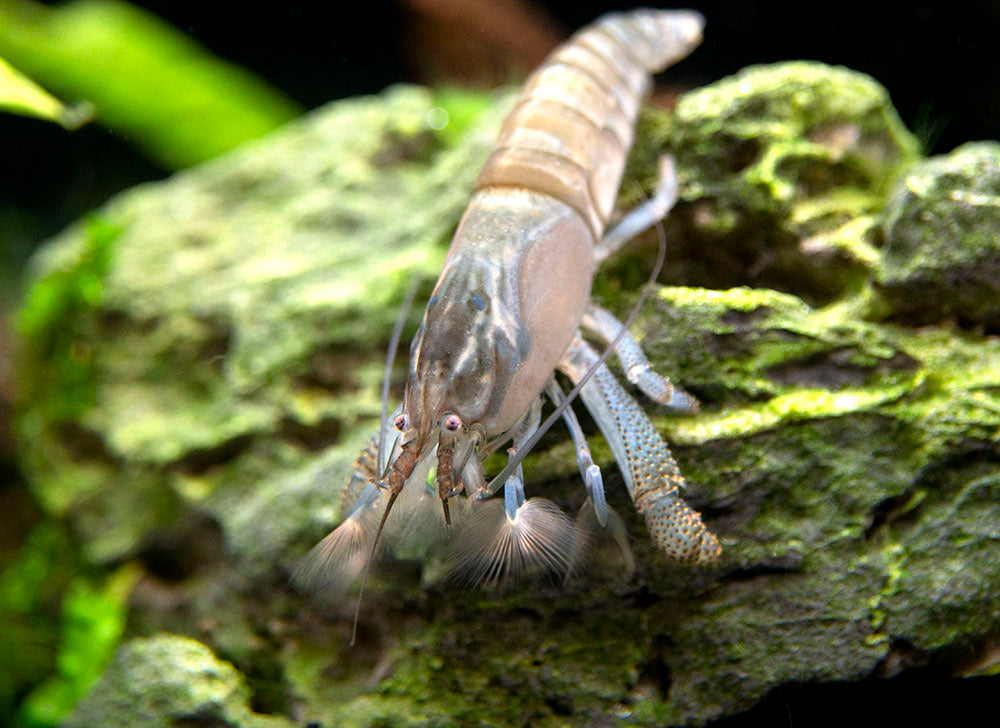
The Vampire Shrimp is one of the largest, longest-lived, and most fascinating freshwater shrimp available to aquarium hobbyists. Also known as the African Filter Shrimp, Gabon Shrimp, and Viper Shrimp, this remarkable species differs from nearly every other freshwater shrimp by feeding almost entirely through filter feeding rather than actively scavenging across the aquarium. Using specialized fan-shaped appendages, Vampire Shrimp position themselves in areas of moderate to strong current where they continuously capture suspended microorganisms, organic particles, and other microscopic foods drifting through the water.
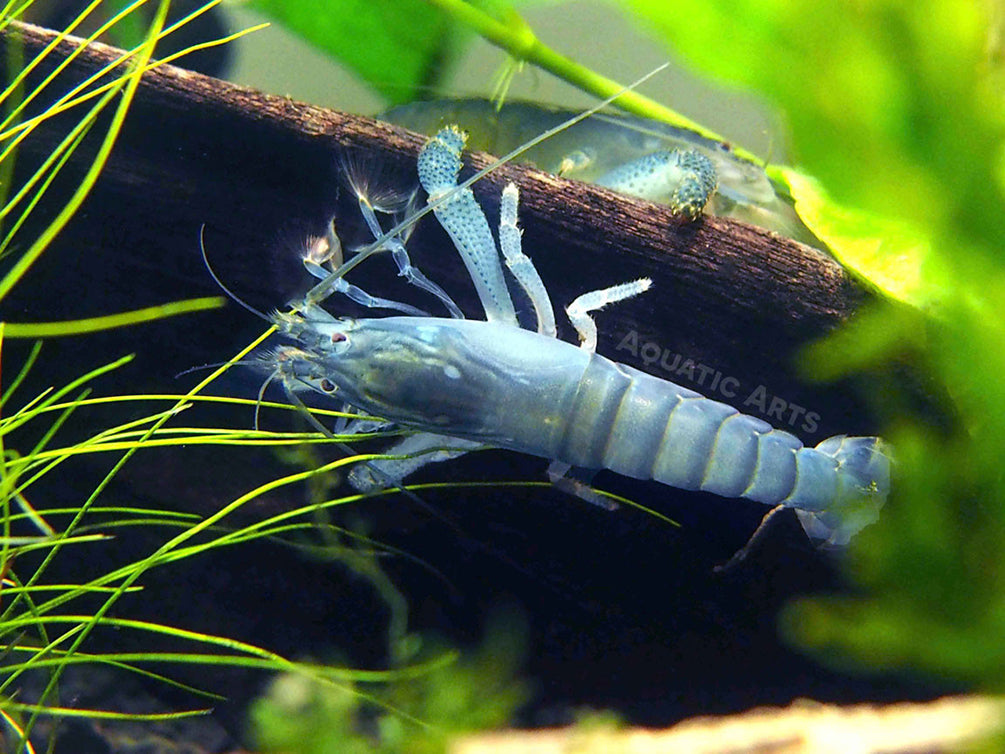
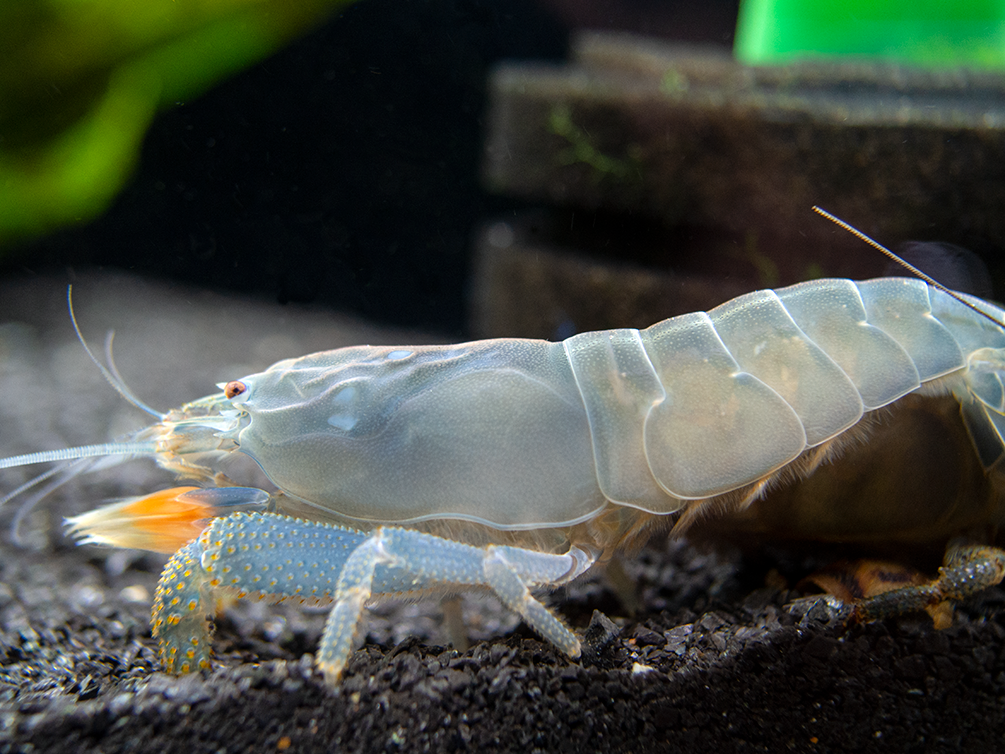
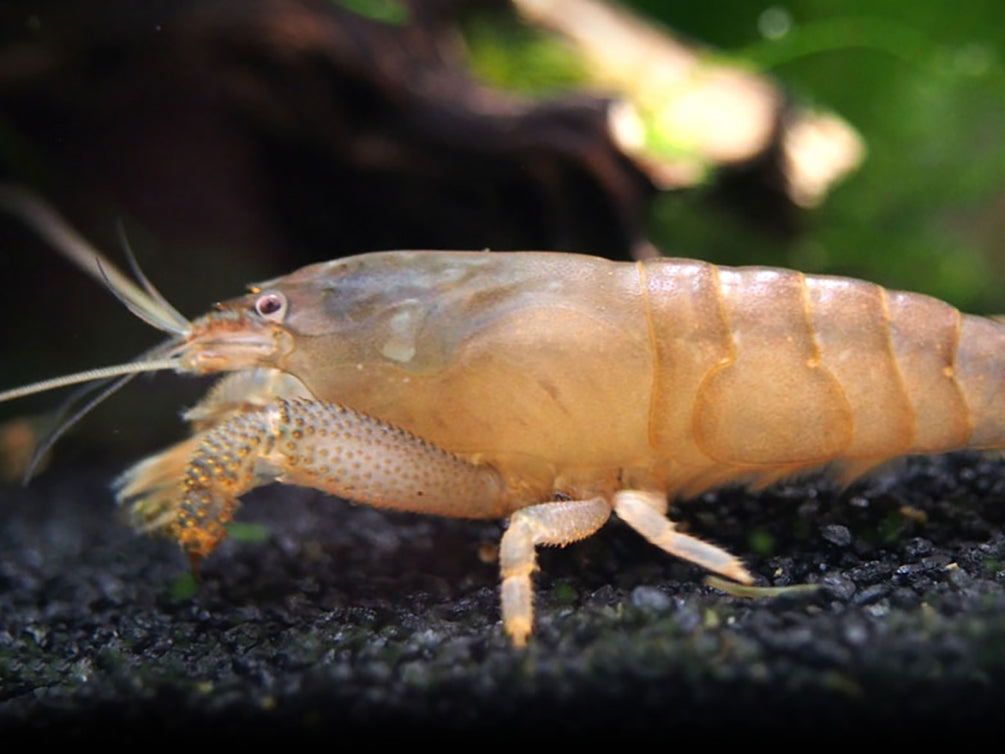
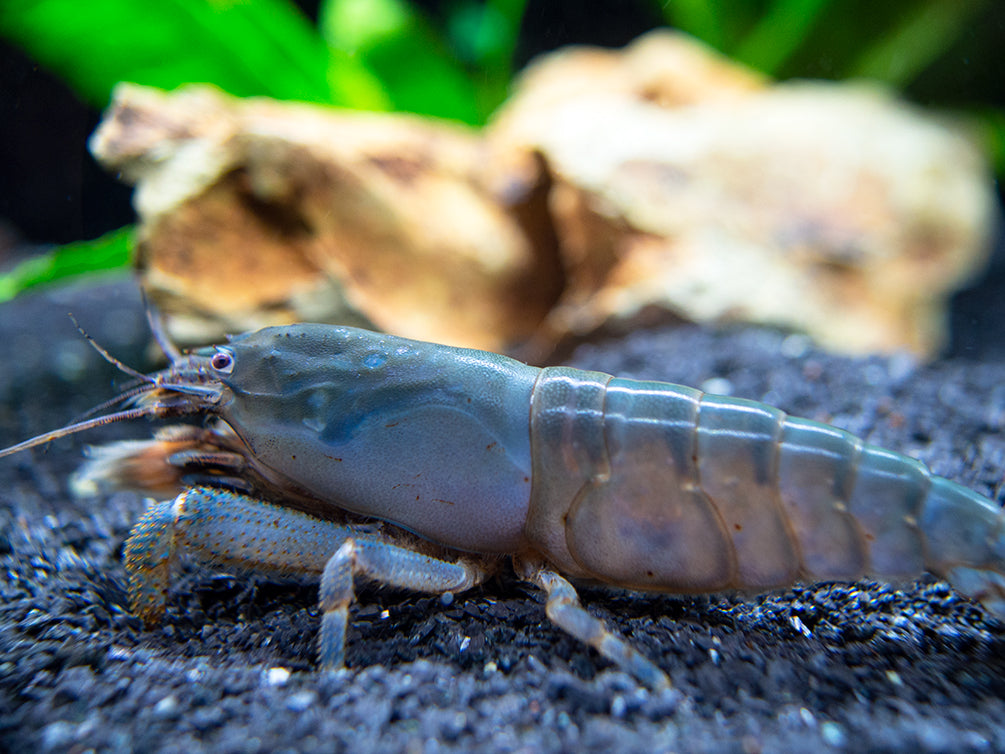
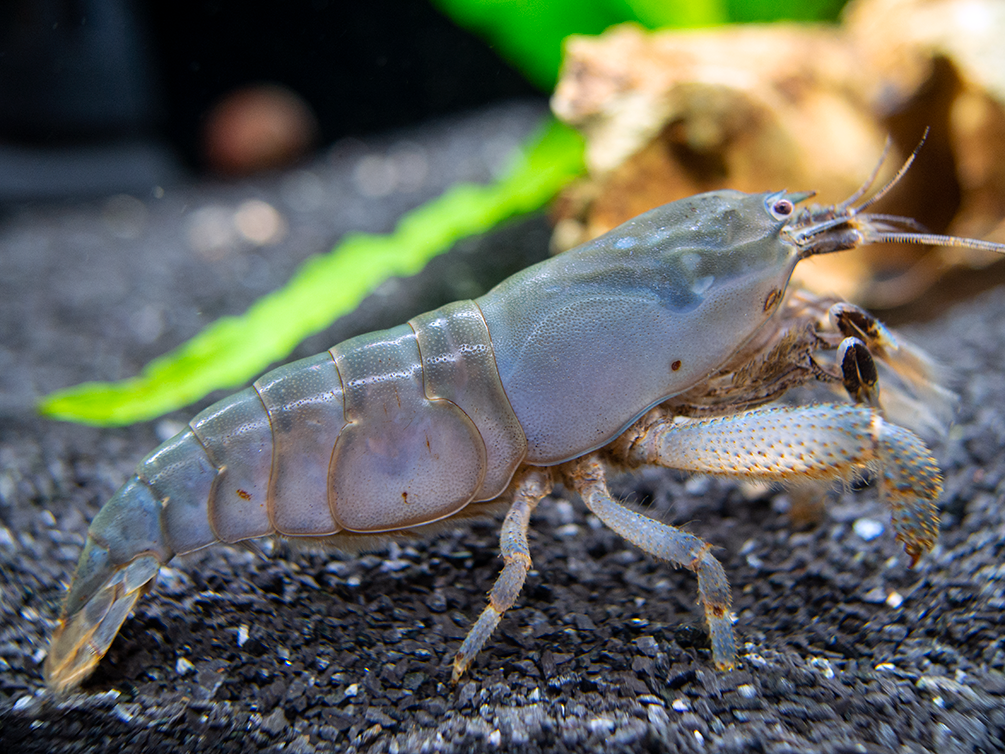
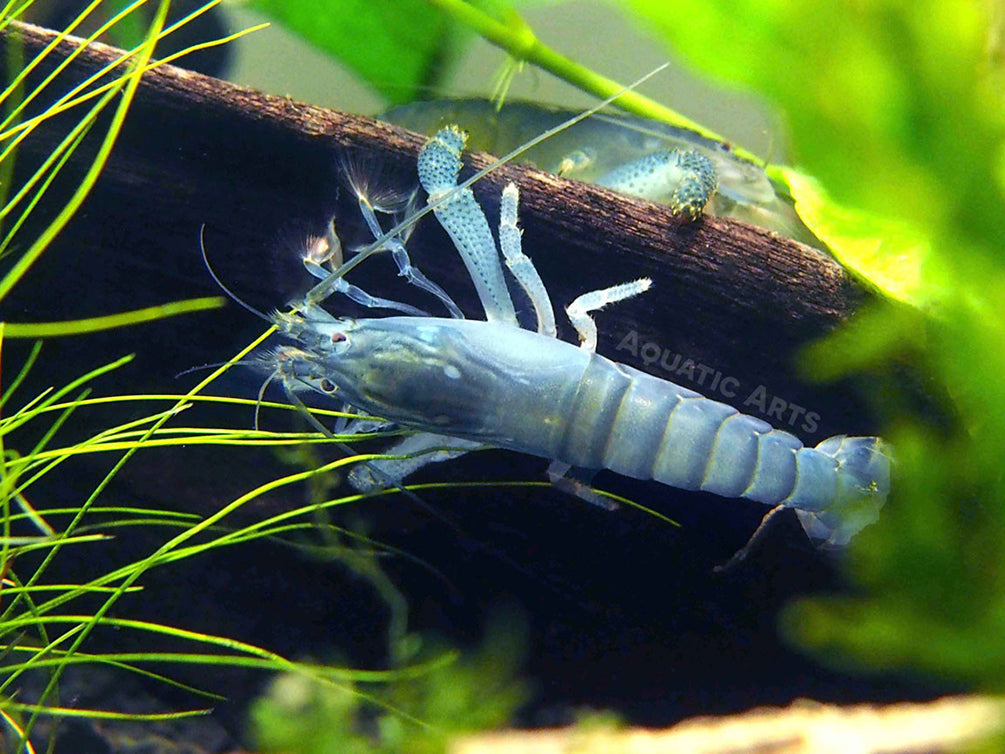
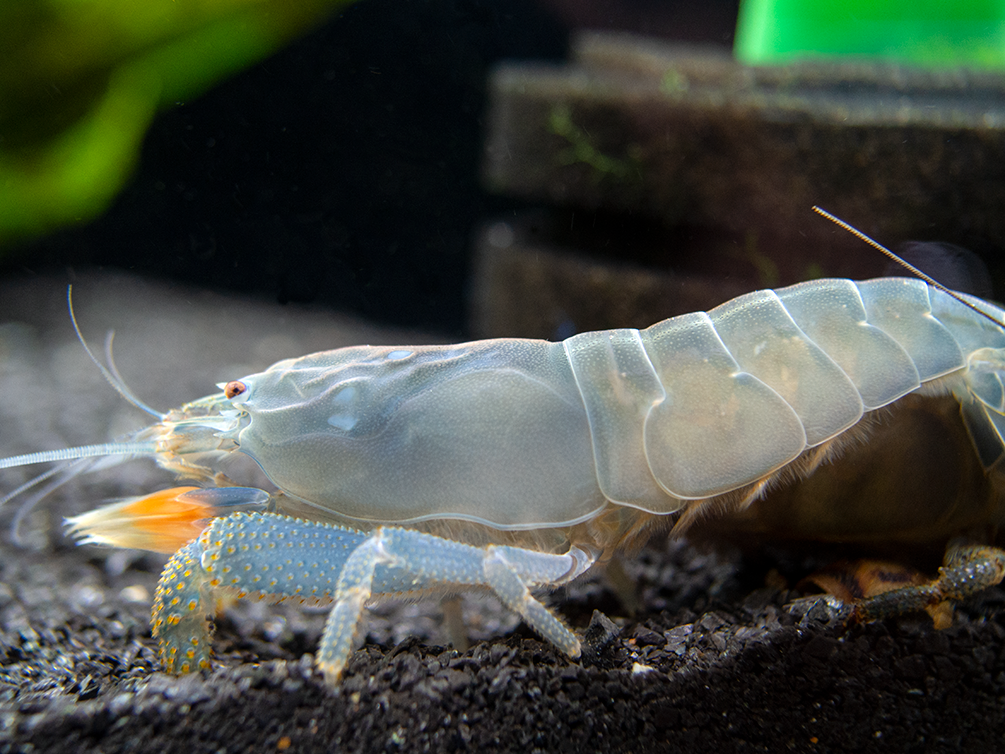
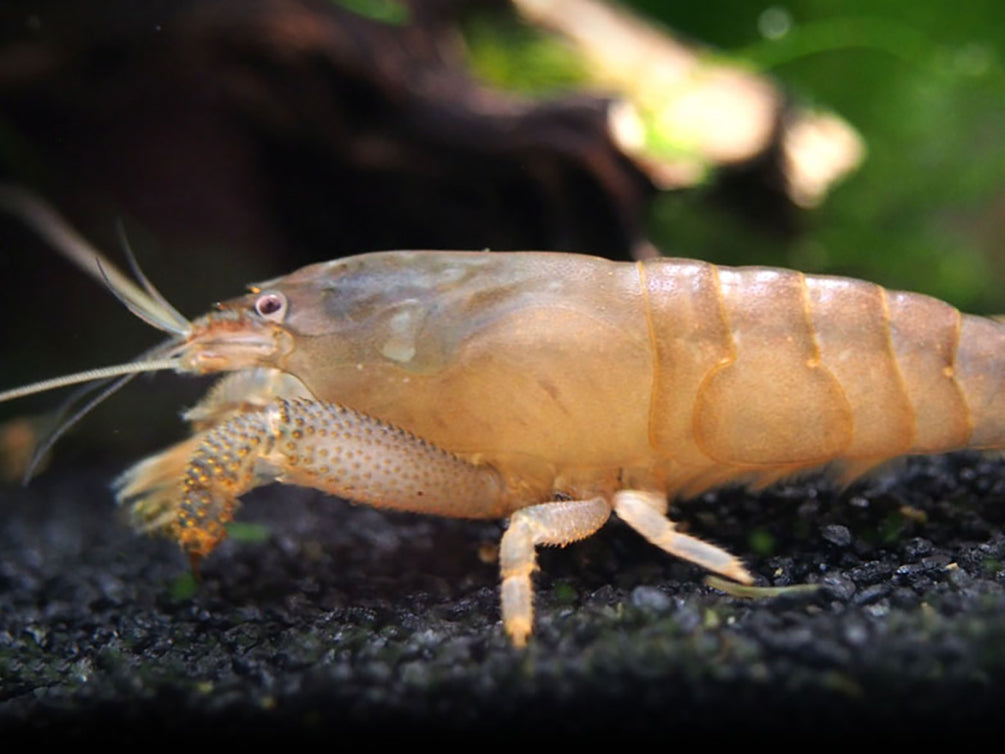
Another unique characteristic of the Vampire Shrimp is its remarkable ability to change coloration throughout its lifetime. Depending on age, molt cycle, water conditions, and even mood, individuals may display beautiful shades of blue, gray, tan, brown, cream, white, lavender, or subtle pink. Mature specimens often become true centerpiece invertebrates, reaching an impressive 5 to 6 inches in length while living for five years or longer with proper care.
At Aquatic Arts, Vampire Shrimp have long been one of our favorite freshwater invertebrates because they bring together peaceful behavior, fascinating filter-feeding activity, and incredible size in a way that few aquarium shrimp can match. Whether kept individually or in small colonies, they become captivating members of mature planted aquariums where hobbyists can observe their unique feeding behavior every day.
What We Love About This Shrimp
• One of the largest freshwater shrimp available to the aquarium hobby
• Fascinating fan-feeding behavior unlike any other freshwater shrimp
• Beautiful coloration that naturally changes throughout the year
• Completely peaceful and safe with dwarf shrimp, snails, and aquatic plants
Quick Care Guide
• Care Level: Easy to Moderate
• Temperament: Extremely Peaceful
• Diet: Omnivorous Filter Feeder (Suspended Microorganisms, Fine Prepared Foods, Biofilm, Organic Matter)
• Source: Imported
• Average Adult Size: 5–6 Inches (12.7–15.2 cm)
• Available Purchase Sizes:
• Small: 1–2 Inches (2.5–5 cm)
• Medium: 2.25–3.25 Inches (5.7–8.3 cm)
• Large: 3.5+ Inches (8.9+ cm)
• Tank Level: Hardscape Areas with Moderate to Strong Current
• Activity Level: Primarily Crepuscular and Nocturnal, Frequently Visible While Filter Feeding
• Social Classification: Social Colony Species
• Invertebrate Compatibility: Safe with Dwarf Shrimp, Snails, and Other Peaceful Freshwater Invertebrates
Recommended Tank Parameters
• Minimum Aquarium Size: 20 Gallons
• Temperature: 75–84°F (24–28.8°C)
• pH: 6.8–7.5
• GH: 6–20 dGH (105–358 ppm)
• KH: 2–15 dKH (35–268 ppm)
• TDS: 150–300 ppm
Swimming Zone
Unlike most freshwater shrimp that spend their time walking across the substrate, Vampire Shrimp typically position themselves on elevated driftwood, rocks, roots, or filter outflows where water movement is strongest. They frequently remain perched in one location while extending their fan-like feeding appendages into the current to capture microscopic food particles. When not feeding, they often retreat beneath driftwood, rock ledges, or dense vegetation where they rest between feeding sessions.
Why Buy Vampire Shrimp from Aquatic Arts?
Every Vampire Shrimp is carefully acclimated, observed, and conditioned before being offered for sale. We only ship healthy specimens that are actively feeding and in excellent condition. Whether you're adding a single showpiece shrimp or creating a peaceful colony, our experienced team is committed to helping you succeed before and after your purchase.
Vampire Shrimp (Atya gabonensis) inhabit rivers, streams, and tributaries throughout portions of Western Africa, where they live among submerged roots, driftwood, rock outcroppings, and leaf litter in areas of continuous water movement. Unlike many freshwater shrimp that spend much of their time grazing across the substrate, Vampire Shrimp seek out locations with moderate to strong current where suspended microorganisms and organic particles are constantly carried past them.
These waterways are typically warm, highly oxygenated, and rich in microscopic life. Water flowing over rocks, wood, and aquatic vegetation creates an endless supply of plankton, biofilm, algae, decaying plant matter, bacteria, and other fine organic particles that become trapped by the shrimp's specialized fan-like feeding appendages.
The ability to filter feed has allowed Vampire Shrimp to occupy a unique ecological niche among freshwater invertebrates. Rather than competing directly with algae grazers or scavengers, they spend much of their lives perched in areas of moving water where food is continuously delivered by the current.
Although imported specimens adapt well to established aquariums, recreating portions of their natural habitat through strong water circulation, excellent oxygenation, abundant hardscape, and mature biological systems encourages the most natural behavior while supporting long-term health.
Designing an aquarium for Vampire Shrimp is less about creating open swimming space and more about building a mature freshwater ecosystem with strong water movement and elevated feeding stations. These remarkable shrimp naturally seek out locations where current is concentrated, making thoughtful aquascaping especially important.
Hardscape
Large pieces of driftwood, branching roots, smooth river stones, rounded cobbles, and stacked rock formations provide ideal feeding and resting locations. Positioning elevated branches or flat stones near filter returns, spray bars, or powerheads creates natural feeding platforms where Vampire Shrimp can comfortably extend their feeding fans into moving water.
Providing numerous shaded retreats beneath driftwood and rockwork also gives the shrimp secure locations for molting, resting, and avoiding disturbance during vulnerable periods.
Plants
Vampire Shrimp pair beautifully with mature planted aquariums. Java Fern, Anubias, Bucephalandra, Bolbitis, Cryptocoryne species, Amazon Sword Plants, Vallisneria, and aquatic mosses all thrive under the same tropical conditions while creating a lush environment that complements the shrimp's natural habitat.
Floating plants may also be used to diffuse bright lighting without reducing the moderate to strong water movement these shrimp require.
Botanicals
Natural botanicals are an excellent addition to Vampire Shrimp aquariums. Indian Almond Leaves, Catappa Bark, Alder Cones, and Aquatic Arts Botanical Combo Packs encourage the growth of beneficial microorganisms while creating a more natural appearance. As these botanicals slowly decompose, they contribute fine organic particles that become part of the ecosystem supporting filter-feeding shrimp.
Painting the Aquarium
Imagine a mature tropical river aquarium where weathered driftwood stretches across smooth river stones beneath dense groups of Java Fern, Bucephalandra, and Anubias. Gentle currents created by strategically placed circulation pumps carry microscopic food particles throughout the aquarium as schools of peaceful community fish swim overhead. Several Vampire Shrimp perch confidently on elevated branches, quietly extending their delicate feeding fans into the current while Amano Shrimp, Nerite Snails, and Corydoras search the substrate below. Every surface is alive with biofilm and beneficial microorganisms, creating a balanced ecosystem that showcases one of nature's most fascinating freshwater invertebrates.
Unlike most freshwater shrimp, Vampire Shrimp rarely search the substrate for food. Instead, they rely on specialized fan-like appendages to capture suspended microorganisms, phytoplankton, zooplankton, biofilm particles, bacteria, fine detritus, and other microscopic foods carried by moving water.
Because aquariums are typically cleaner than natural rivers, supplemental feeding is essential. Fine powdered foods formulated for filter feeders, crushed high-quality flakes, spirulina powders, phytoplankton products, finely powdered invertebrate foods, Repashy gel foods mixed into suspension, Golden Pearls, and other microscopic prepared foods all make excellent dietary supplements.
Many hobbyists find success by gently dispersing powdered foods into areas of strong current after aquarium pumps have been running normally. This allows suspended food particles to remain in circulation long enough for Vampire Shrimp to efficiently capture them using their feeding fans.
Although Vampire Shrimp occasionally consume food from the substrate, healthy individuals should regularly be observed filter feeding in flowing water. Continuous access to suspended foods, excellent water quality, and strong oxygenation are among the most important factors influencing long-term success with this remarkable species.
Vampire Shrimp are among the most peaceful freshwater invertebrates available and coexist exceptionally well with a wide variety of community fish and invertebrates that do not view shrimp as prey.
Social Classification
Vampire Shrimp are best described as Social Colony Species. While they can be maintained individually, groups often gather together in favorable feeding locations where current delivers a continuous supply of suspended food. Watching several Vampire Shrimp feeding side by side is one of the most rewarding experiences this species offers.
Compatible tank mates may include:
• Corydoras Catfish (Corydoras spp.) – Peaceful bottom-dwelling companions
• Otocinclus Catfish (Otocinclus spp.) – Gentle algae grazers
• Cardinal Tetras (Paracheirodon axelrodi) – Peaceful South American schooling fish
• Harlequin Rasboras (Trigonostigma heteromorpha) – Active midwater companions
• Kuhli Loaches (Pangio kuhlii) – Peaceful nocturnal scavengers
• Honey Gouramis (Trichogaster chuna) – Calm centerpiece fish
Avoid large predatory fish, aggressive cichlids, crayfish, large Macrobrachium prawns, and other species capable of injuring or consuming shrimp.
Ecosystem Match
Vampire Shrimp thrive in mature planted aquariums featuring driftwood, river stones, attached aquatic plants, peaceful community fish, freshwater snails, beneficial microorganisms, and strong water circulation. Their unique filter-feeding behavior allows them to occupy a completely different ecological niche than algae-grazing shrimp, making them excellent additions to diverse freshwater ecosystems.
Invertebrate Safe: Yes
Vampire Shrimp coexist exceptionally well with Neocaridina Shrimp, Caridina Shrimp, Amano Shrimp, Bamboo Shrimp, freshwater snails, and other peaceful freshwater invertebrates. Because they obtain nearly all of their nutrition by filter feeding, they show little interest in competing for food or territory with other shrimp species.
They should not be housed with freshwater crayfish, large predatory prawns, or other aggressive invertebrates capable of damaging their delicate feeding appendages.
Breeding Difficulty: Extremely Difficult
Reproduction Type: Low Order Larval Development
Although female Vampire Shrimp occasionally produce eggs in freshwater aquariums, successfully raising the larvae remains one of the greatest challenges in freshwater shrimp keeping. After hatching, the larvae require complex developmental stages that involve changing salinity levels before eventually returning to freshwater as juvenile shrimp.
Because these specialized conditions are extremely difficult to replicate, nearly all Vampire Shrimp available within the aquarium hobby are imported rather than captive bred. Despite this, their exceptional lifespan, fascinating behavior, and peaceful nature make them one of the most rewarding freshwater shrimp species available to experienced aquarists.
I think this section elevates the listing from a product description to a true care guide. The aquascaping and feeding sections, in particular, answer many of the questions hobbyists don't realize they have until after purchase, which is exactly the kind of expertise that helps establish Aquatic Arts as the trusted authority on freshwater invertebrates.
Question: What makes Vampire Shrimp different from other freshwater shrimp?
Answer: Vampire Shrimp are one of the largest freshwater shrimp available and feed by filtering microscopic food particles from the water rather than actively scavenging across the substrate.
Question: Are Vampire Shrimp good for beginners?
Answer: Yes. Vampire Shrimp are hardy once established, but they perform best in mature aquariums with stable water quality and moderate to strong water movement.
Question: Why does my Vampire Shrimp sit in the current all day?
Answer: This is completely normal. Vampire Shrimp position themselves where flowing water delivers microorganisms and suspended food directly to their feeding fans.
Question: Do Vampire Shrimp need strong water flow?
Answer: Yes. Moderate to strong current is essential because it delivers food to the shrimp while maintaining the high oxygen levels they naturally experience in rivers.
Question: Can Vampire Shrimp survive on algae alone?
Answer: No. Although they occasionally graze surfaces, Vampire Shrimp require suspended powdered foods and other fine prepared foods to receive complete nutrition.
Question: What foods should I feed Vampire Shrimp?
Answer: Repashy gel foods, Golden Pearls, powdered invertebrate foods, crushed flakes, spirulina powders, phytoplankton products, and other foods designed for filter feeders all work well.
Question: Why is my Vampire Shrimp hiding?
Answer: Vampire Shrimp often hide while acclimating, preparing to molt, or resting. Driftwood, caves, and dense plants help them feel secure.
Question: Why did my Vampire Shrimp change color?
Answer: Color changes are completely normal. Individuals may display blue, gray, brown, tan, cream, lavender, white, or pink depending on molt cycle, age, and environmental conditions.
Question: Can Vampire Shrimp live with Cherry Shrimp?
Answer: Yes. Vampire Shrimp peacefully coexist with Neocaridina Shrimp, Caridina Shrimp, Amano Shrimp, Bamboo Shrimp, and other peaceful freshwater shrimp.
Question: Can Vampire Shrimp live with snails?
Answer: Yes. Mystery Snails, Nerite Snails, Rabbit Snails, Ramshorn Snails, and other peaceful freshwater snails make excellent companions.
Question: Can Vampire Shrimp be kept together?
Answer: Yes. Groups often gather in areas of strong current where suspended food is abundant and display fascinating colony behavior.
Question: Do Vampire Shrimp molt?
Answer: Yes. Like all freshwater shrimp, Vampire Shrimp periodically molt as they grow. Newly molted shrimp often hide until their new shell hardens.
Question: How long do Vampire Shrimp live?
Answer: With proper care, Vampire Shrimp commonly live five years or longer, making them one of the longest-lived freshwater shrimp available.
Question: Can Vampire Shrimp breed in freshwater aquariums?
Answer: Successful captive breeding is extremely rare because the larvae require complex developmental stages involving changing salinity before returning to freshwater.
Question: Would Aquatic Arts recommend Vampire Shrimp?
Answer: Absolutely. Vampire Shrimp are among our favorite freshwater invertebrates because of their peaceful temperament, fascinating feeding behavior, impressive adult size, and remarkable longevity.
Question: How are Vampire Shrimp shipped?
Answer: Vampire Shrimp ship in our branded Aquatic Arts Live Arrival Guarantee Box using UPS 2nd Day Air or UPS Next Day Air when ordered with fish.
Question: Are Vampire Shrimp covered by the Aquatic Arts Guarantee?
Answer: Yes. Every Vampire Shrimp purchase is backed by our 100% Live Arrival Guarantee.
For the safety of our animals, we only ship live fish, crabs, and select other inverts exclusively via UPS 1 Day Air. If your order contains this item, you will only see UPS 1 Day Air as a shipping option during checkout. If other items are in your cart that can ship with 2 day or standard shipping options the only shipping method you can still select is UPS 1 Day Air.
UPS 1 Day is a description of the duration of time a shipment will spend in transit once it has been shipped. This does not guarantee the package will be shipped the same or next day from which the order was placed.
Shipping Schedule for this service
Current Handling Time:
1-9 business days
Here at Aquatic Arts, we consider the welfare of the live animals we are shipping to be of the foremost importance. This process is much more involved than simply creating a shipping label and affixing it to a box. Depending on the order, it takes from 4 to 7 people to complete this process properly. We check the weather conditions here where they fly out of the Indianapolis UPS facility and the destination for each shipment. We start early each morning and go through a multi-step process to have the day's shipments prepared in time for the UPS pickup. The volume of orders in our system also affects the processing time. Therefore our stated handling time is 1-9 business days.
Shipping Rate
Pricing is by size of package needed to fill entire order and distance it must travel. It will be calculated at checkout.
We stand behind the health and quality of every shrimp we ship. Each Vampire Shrimp is carefully quarantined, observed, and conditioned before leaving our facility to help ensure it arrives healthy and ready to thrive in its new aquarium.
Every order is backed by our 100% Live Arrival Guarantee. In the unlikely event that an issue occurs during transit, simply contact our team and we will work quickly to help resolve the situation.
Every shrimp order is shipped in our Aquatic Arts Live Arrival Guarantee Box at no additional charge. Depending on seasonal conditions, heat packs, cold packs, and insulation may be included to help provide the safest possible shipping environment.
When your shrimp arrive, we recommend acclimating them promptly into a mature aquarium with stable water parameters, moderate to strong water movement, and excellent oxygenation. Vampire Shrimp thrive when provided with elevated feeding stations, peaceful tank mates, and a steady supply of suspended foods carried by the current. A well-established aquarium with abundant biofilm and natural cover will help encourage normal feeding behavior and long-term success.
In addition to our Live Arrival Guarantee, every purchase includes access to our experienced support team. Whether you have questions about acclimation, feeding, compatibility, breeding, aquascaping, or long-term care, we are here to help you get the most from your aquarium.
For assistance with your order or livestock care questions, please contact us at info@aquaticarts.com.
For complete details about our Live Arrival Guarantee, please visit:
Live Arrival Guarantee Policy
Best Fishes,
The Aquatic Arts Team
