

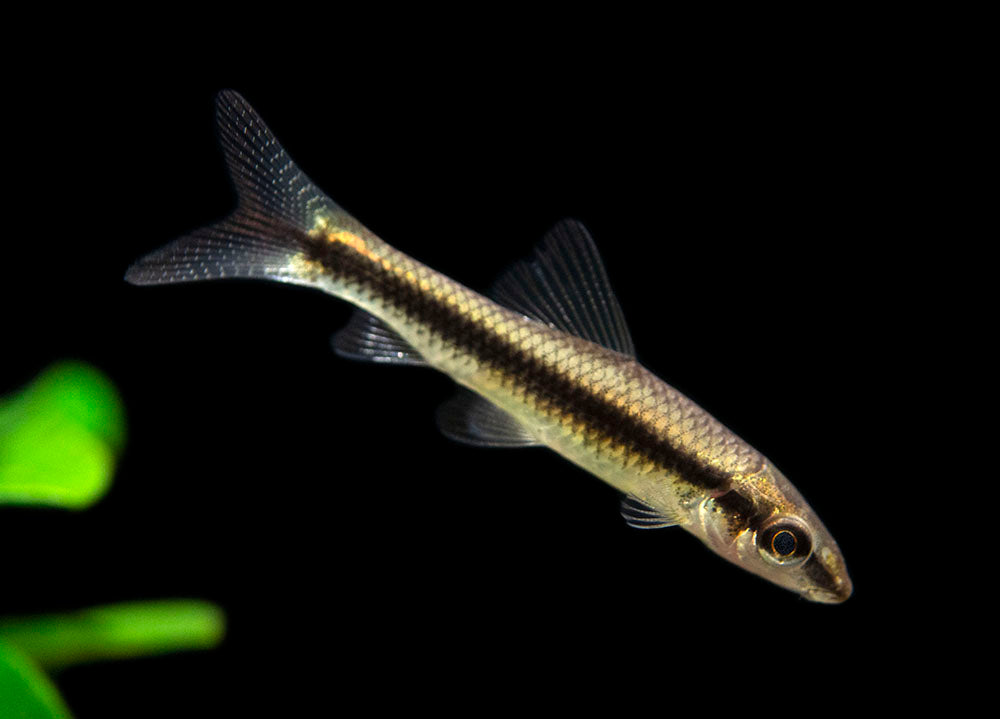
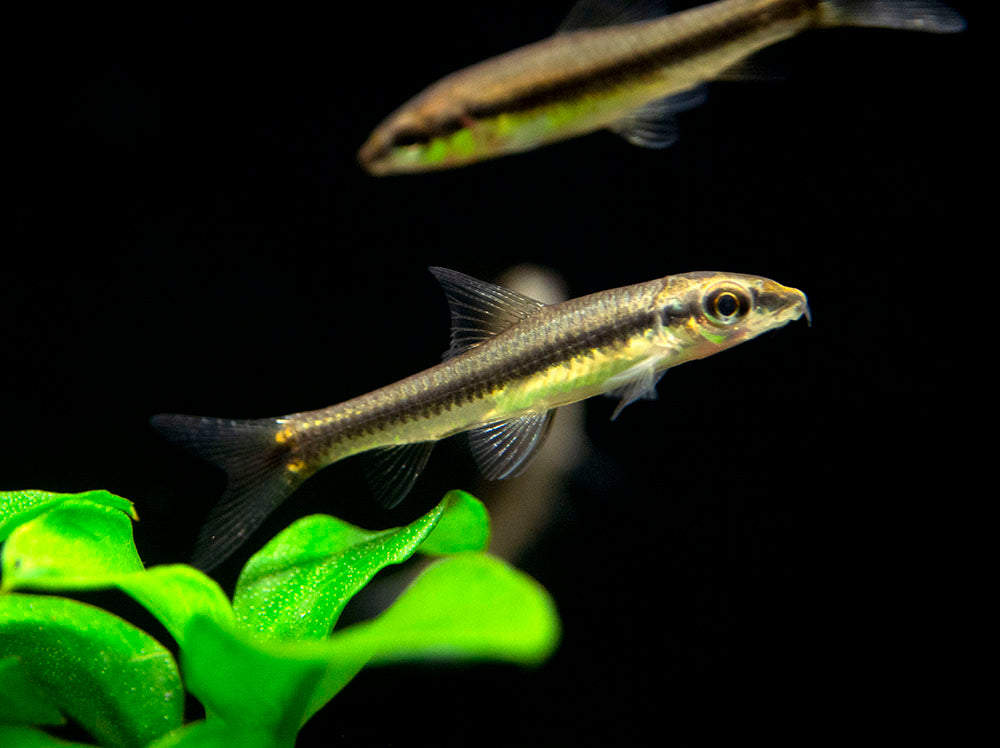
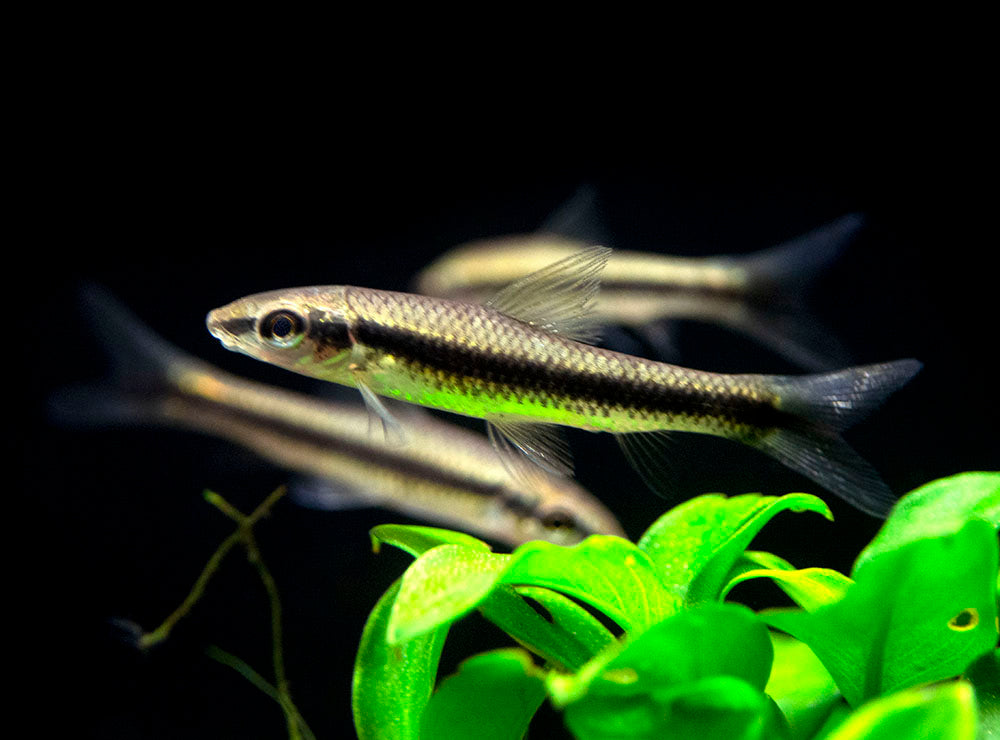
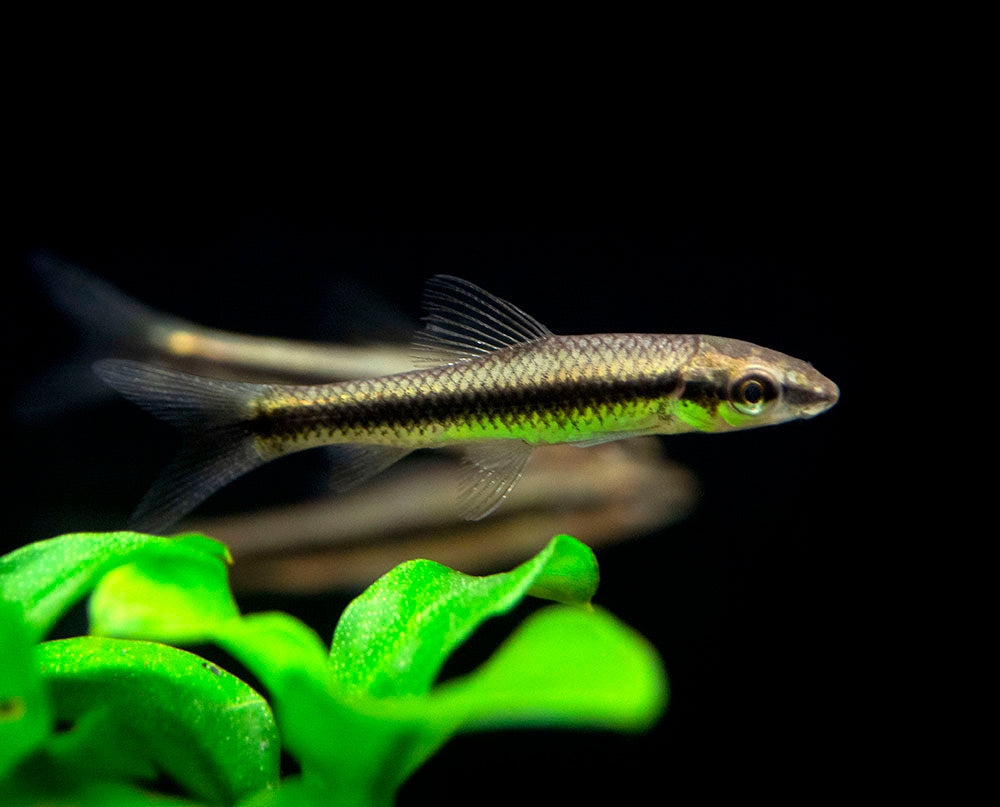
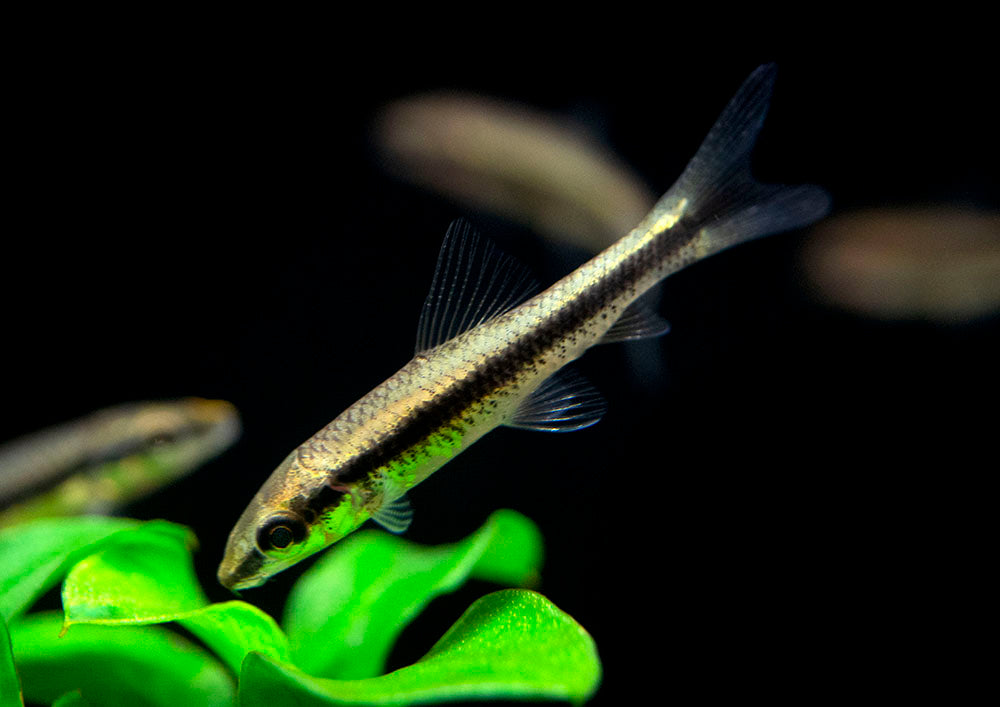
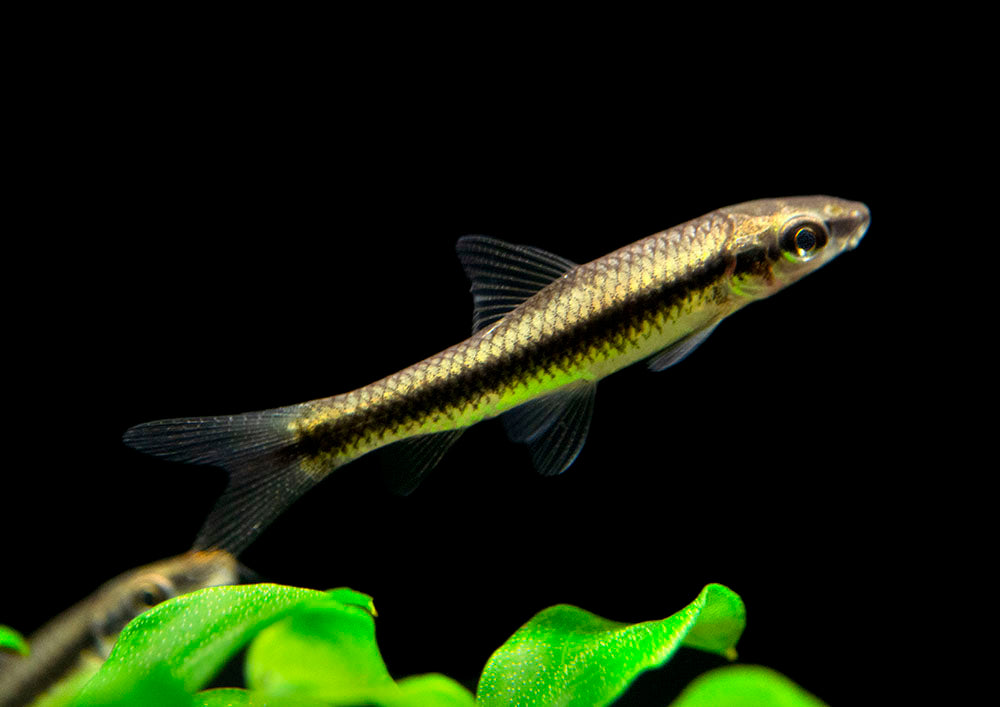
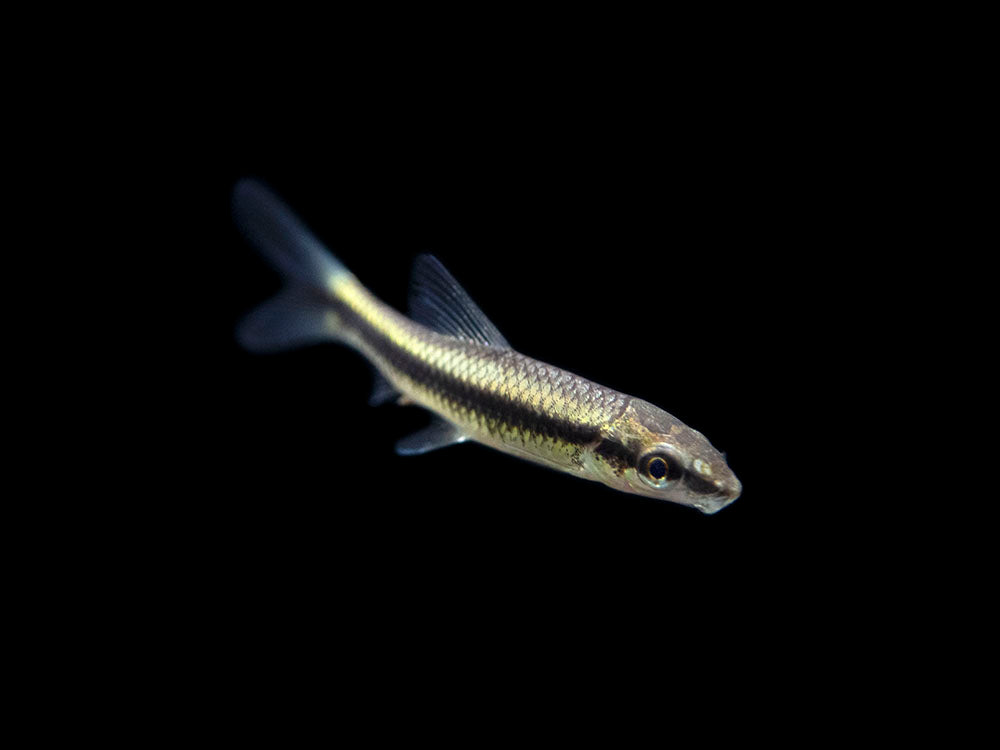
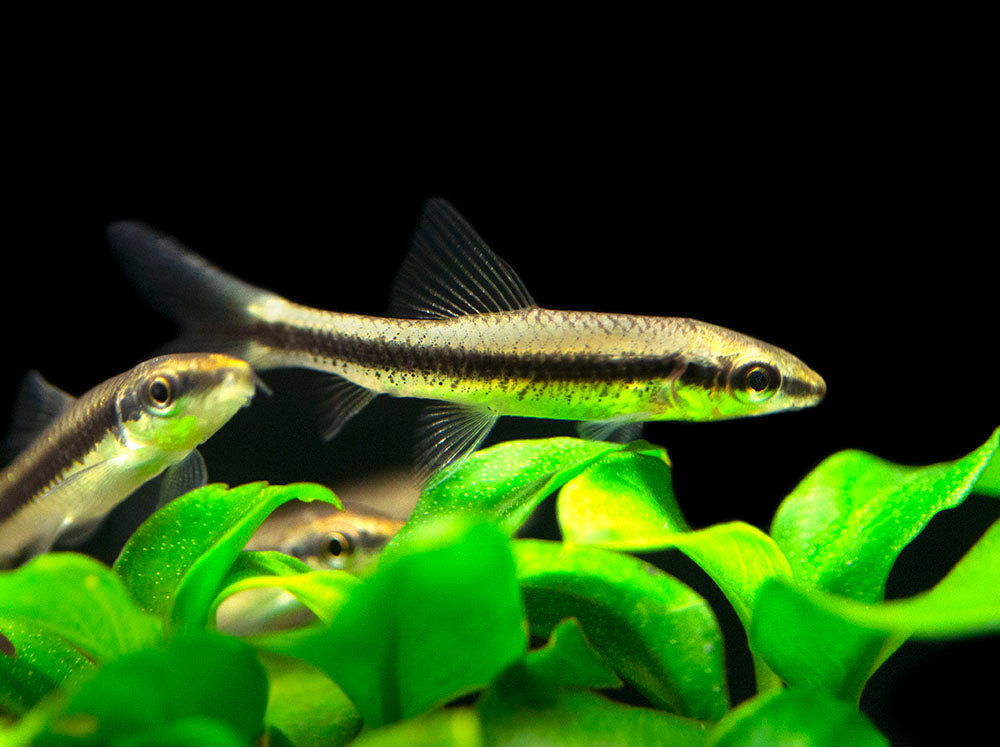
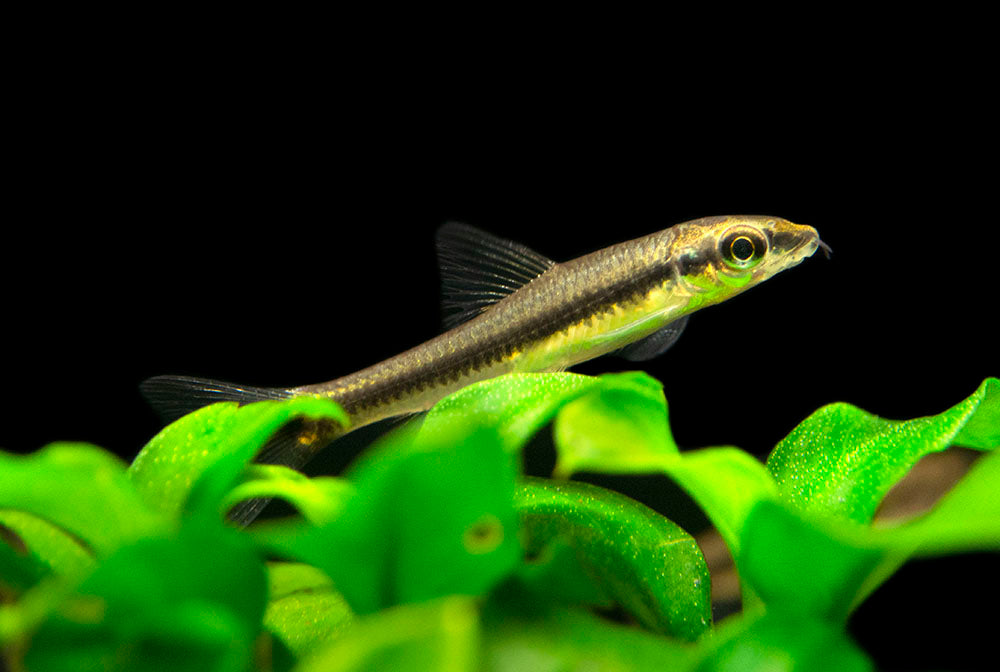
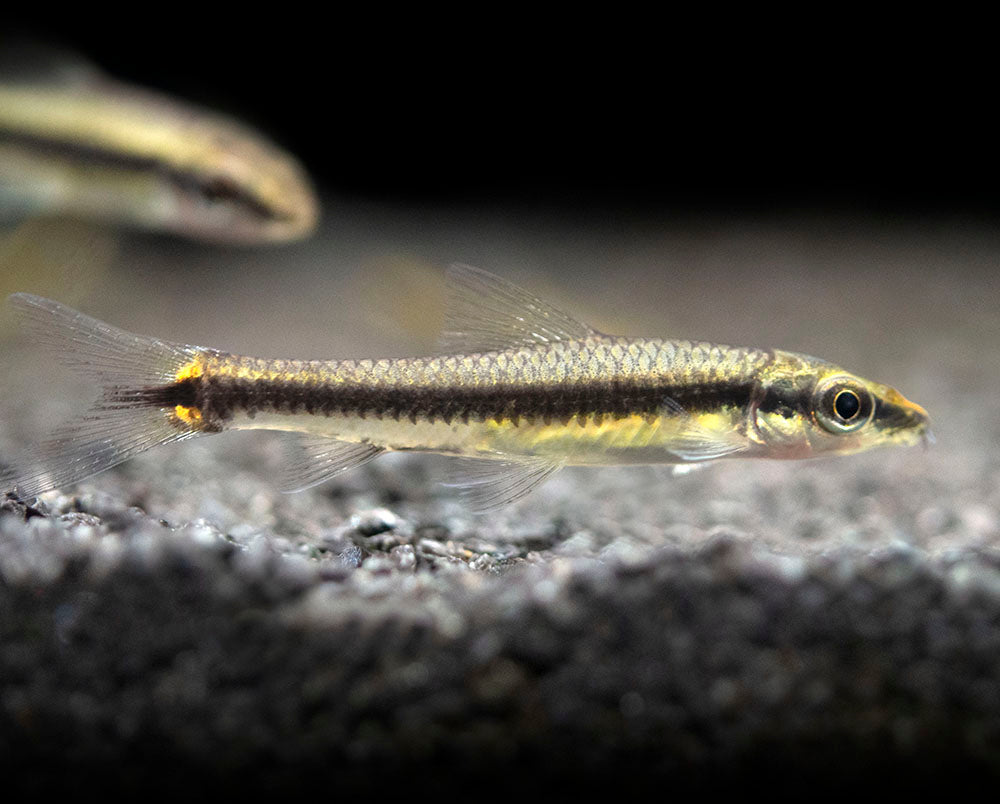
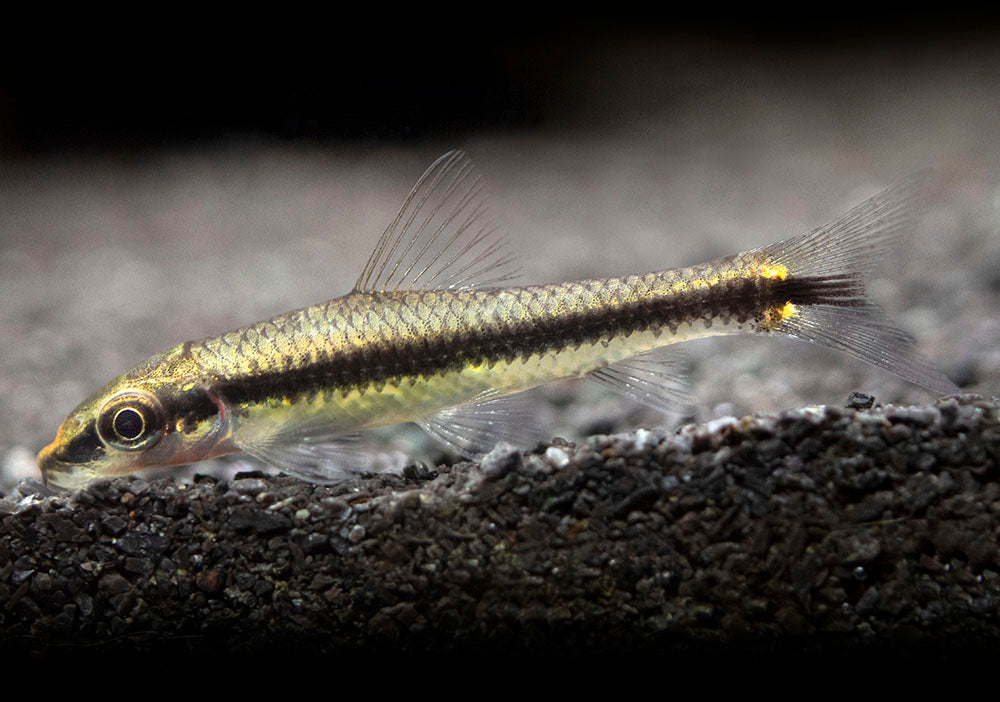
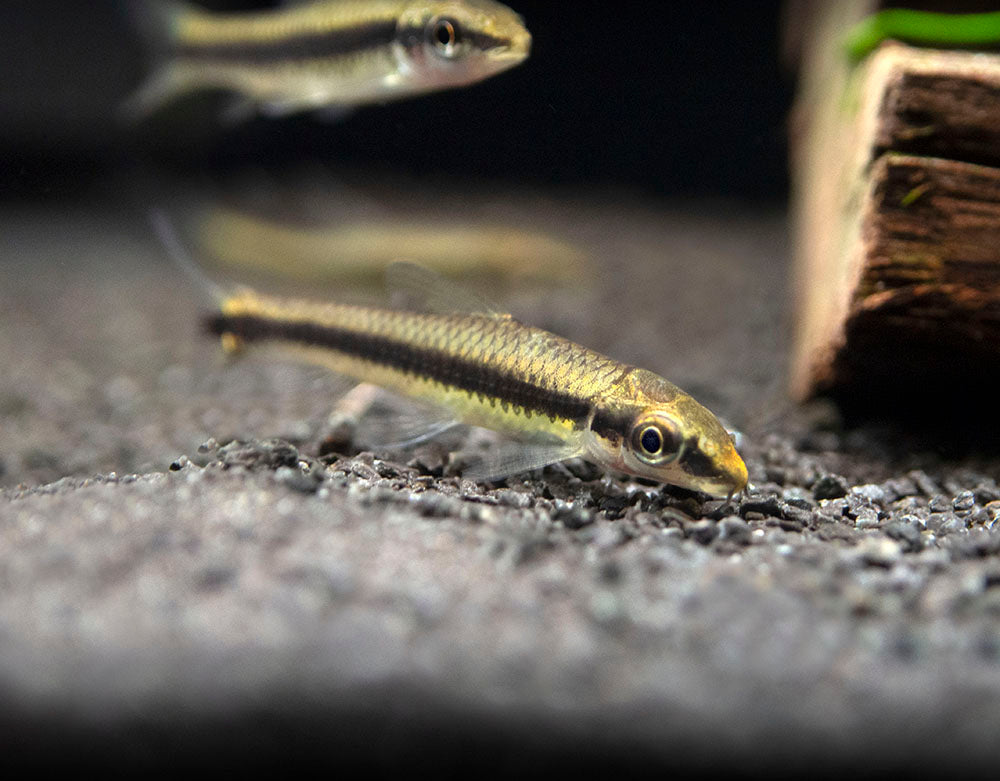
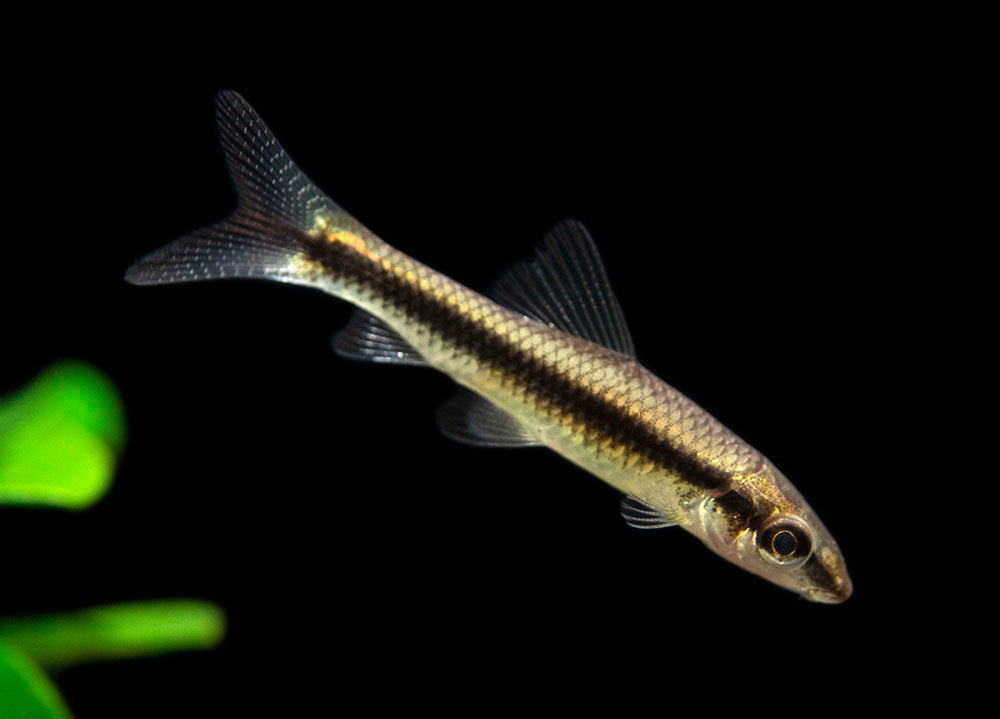
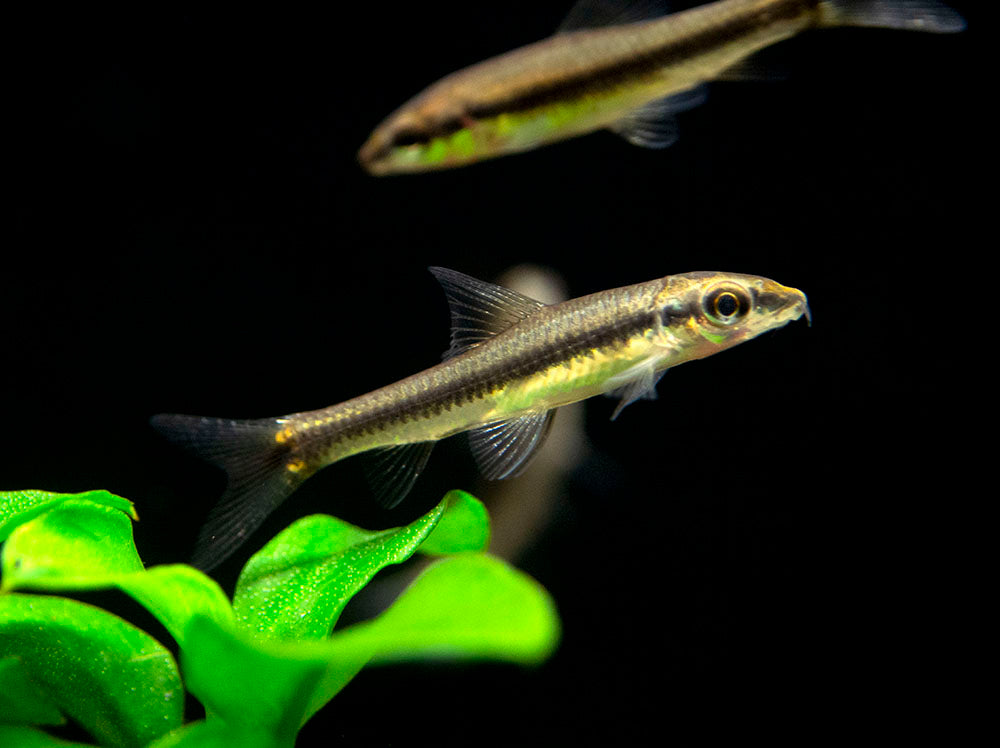
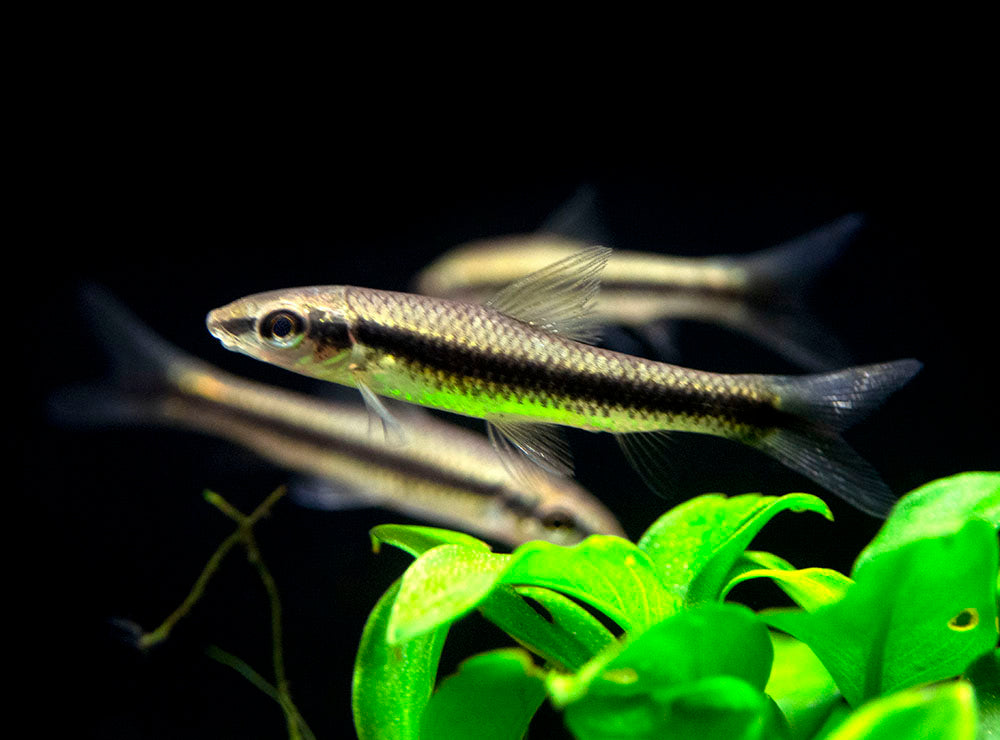
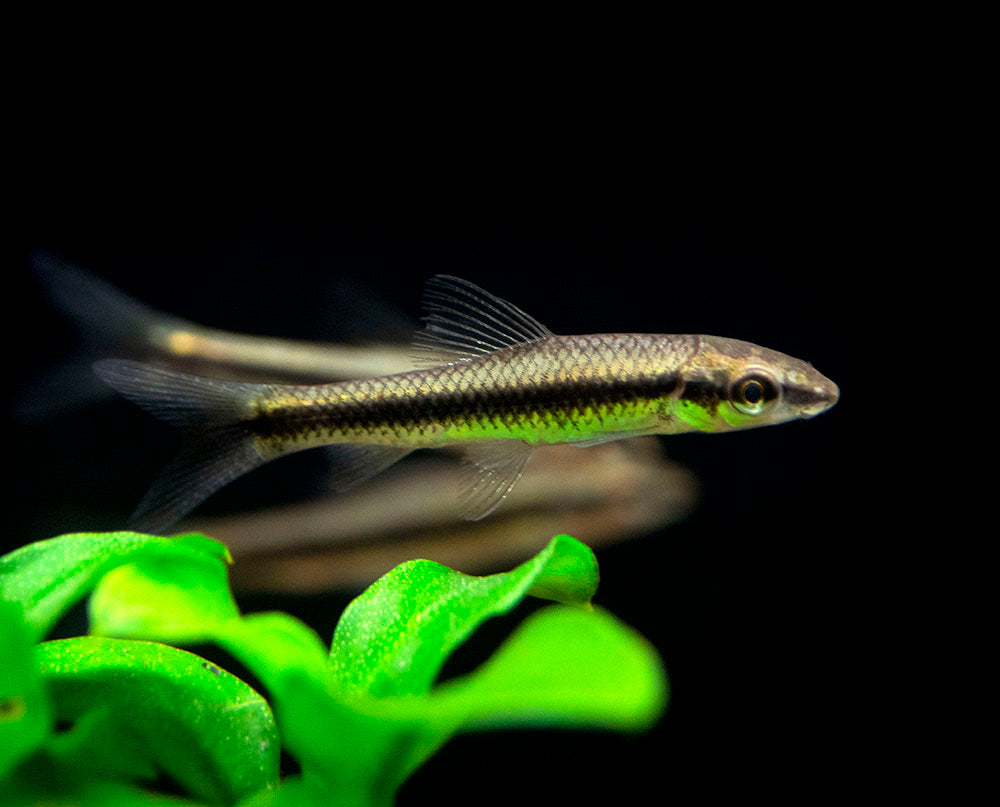
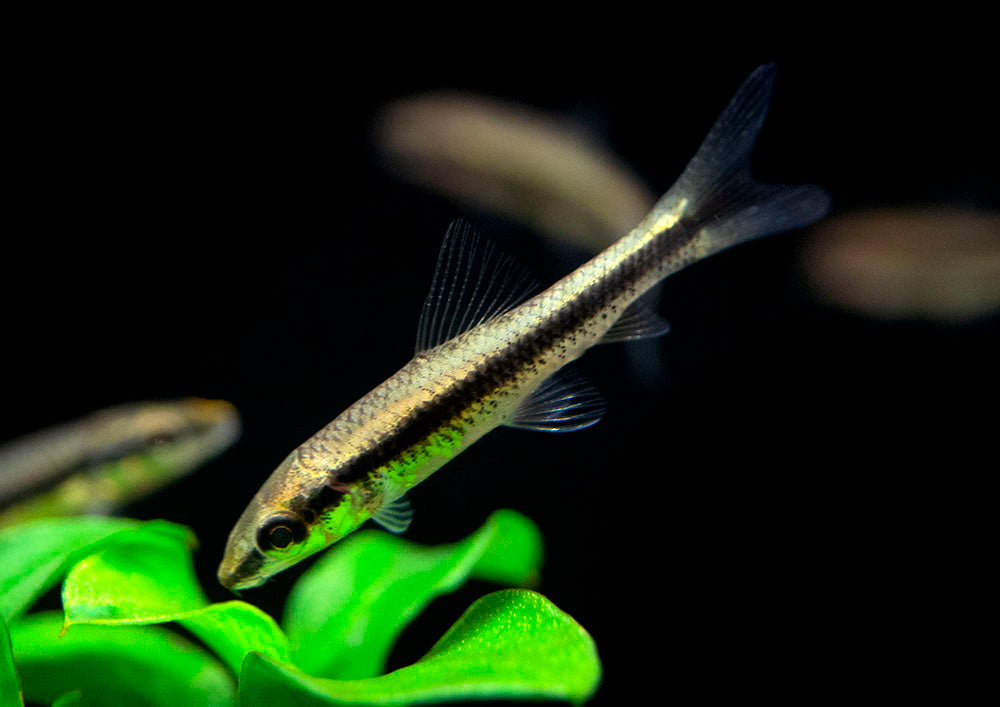
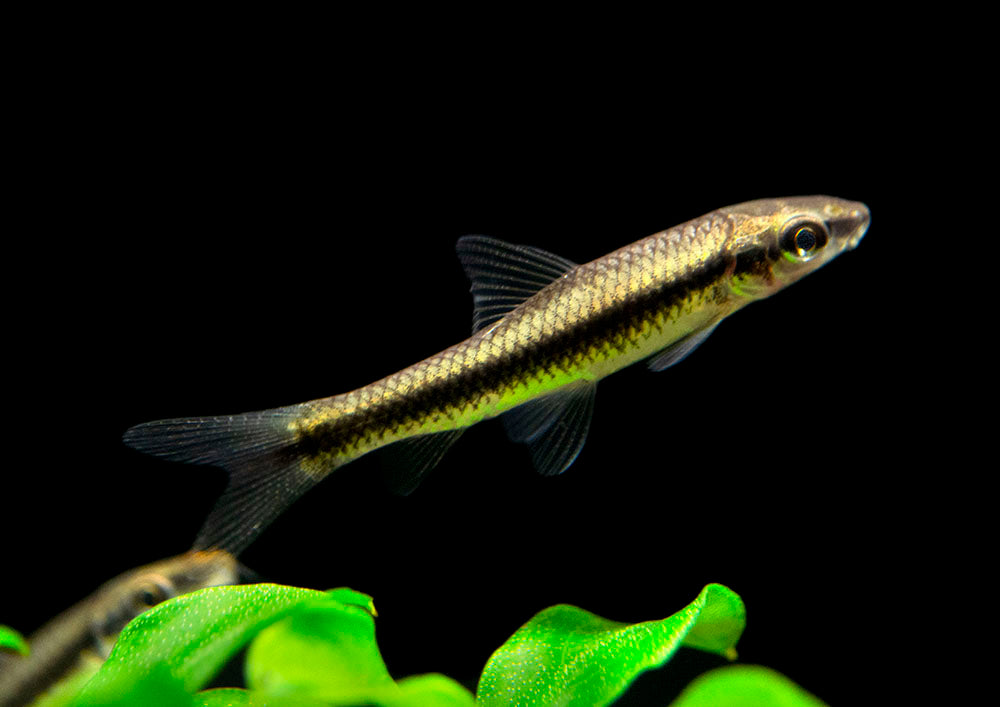
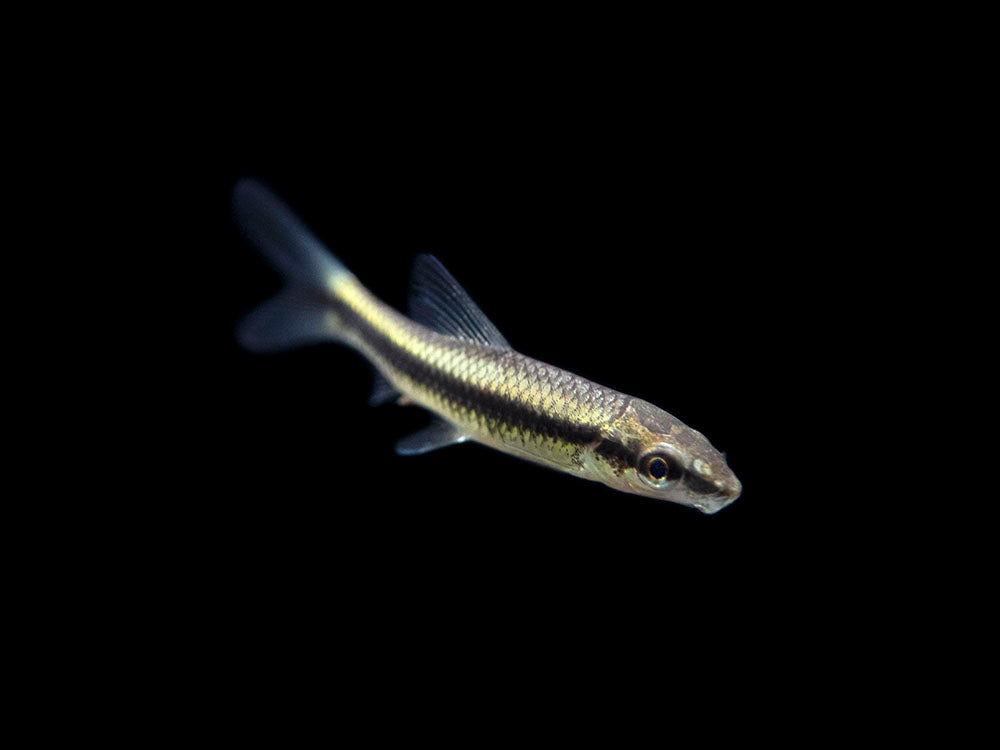
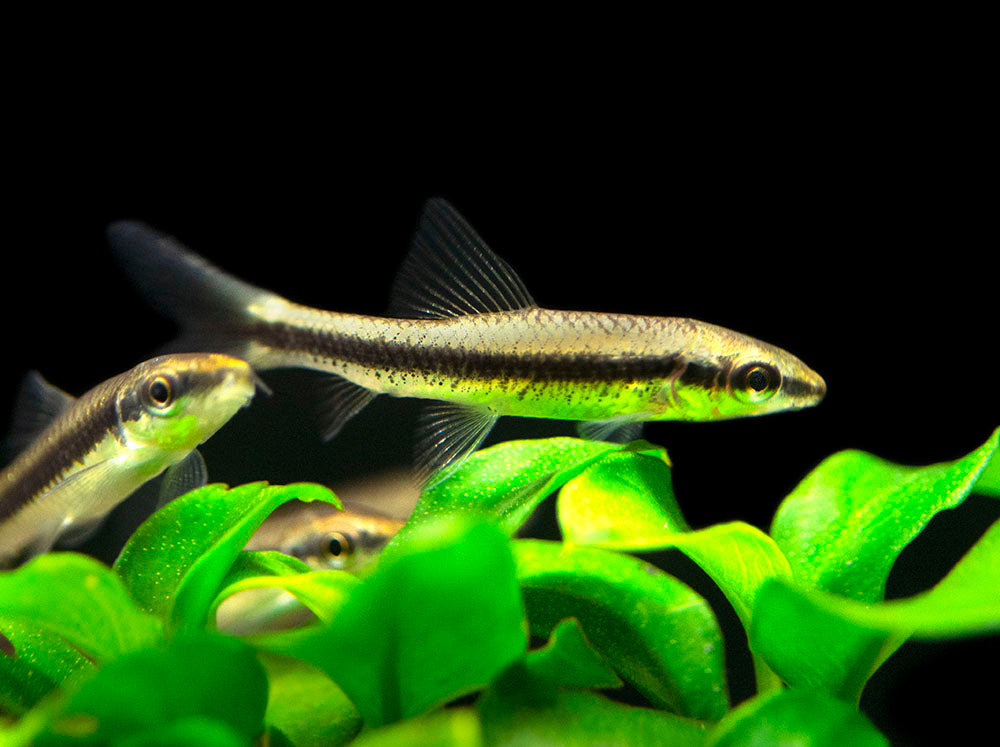
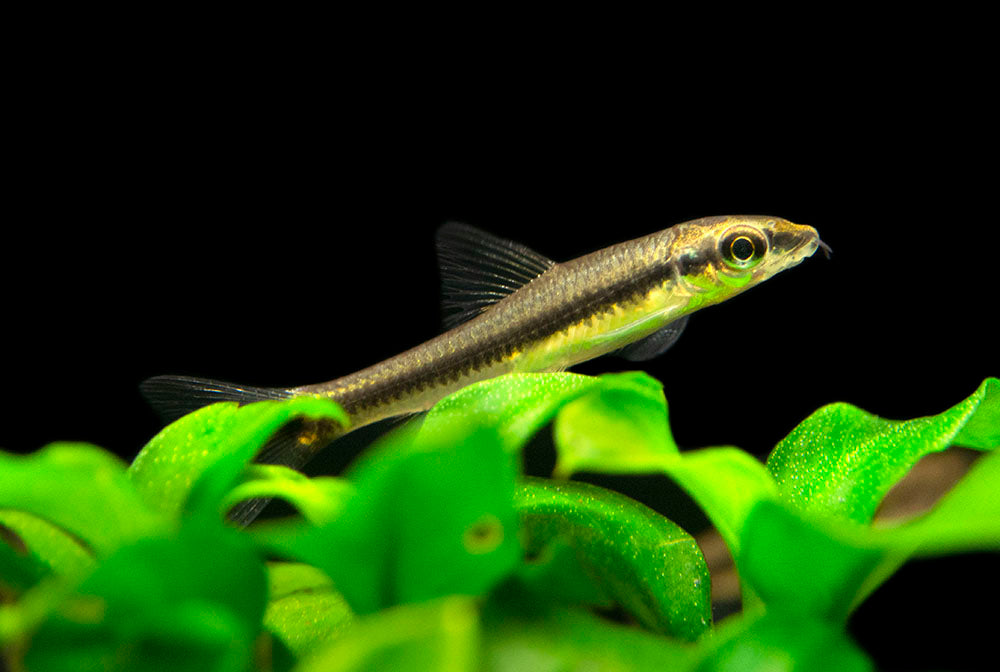
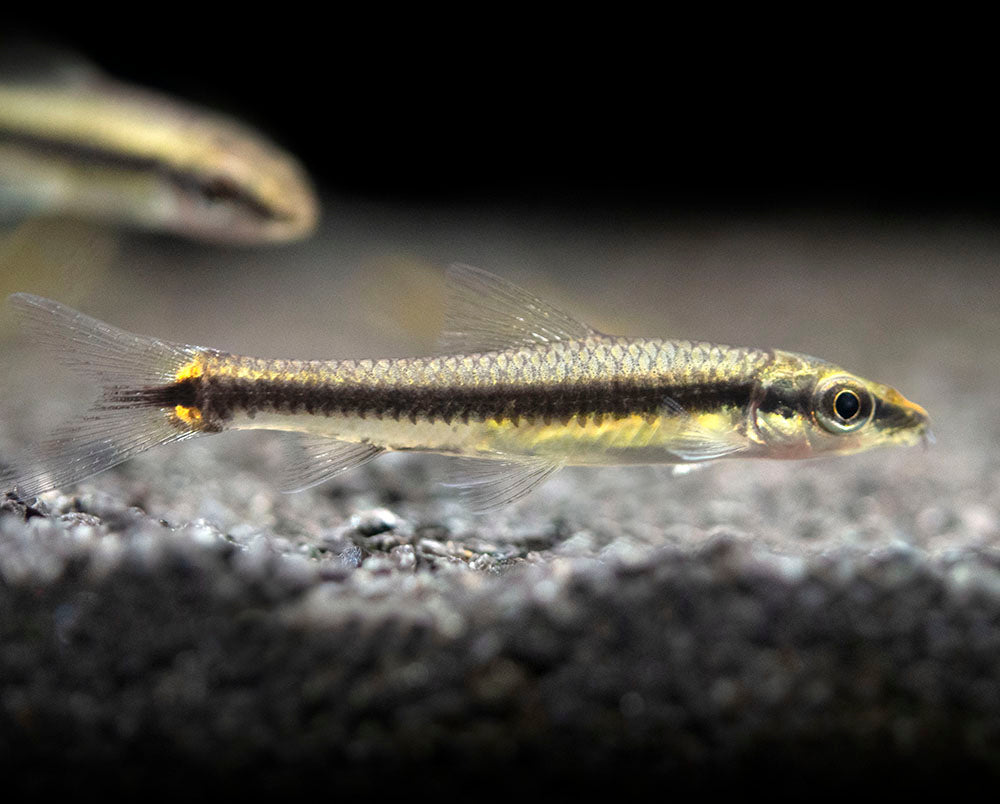
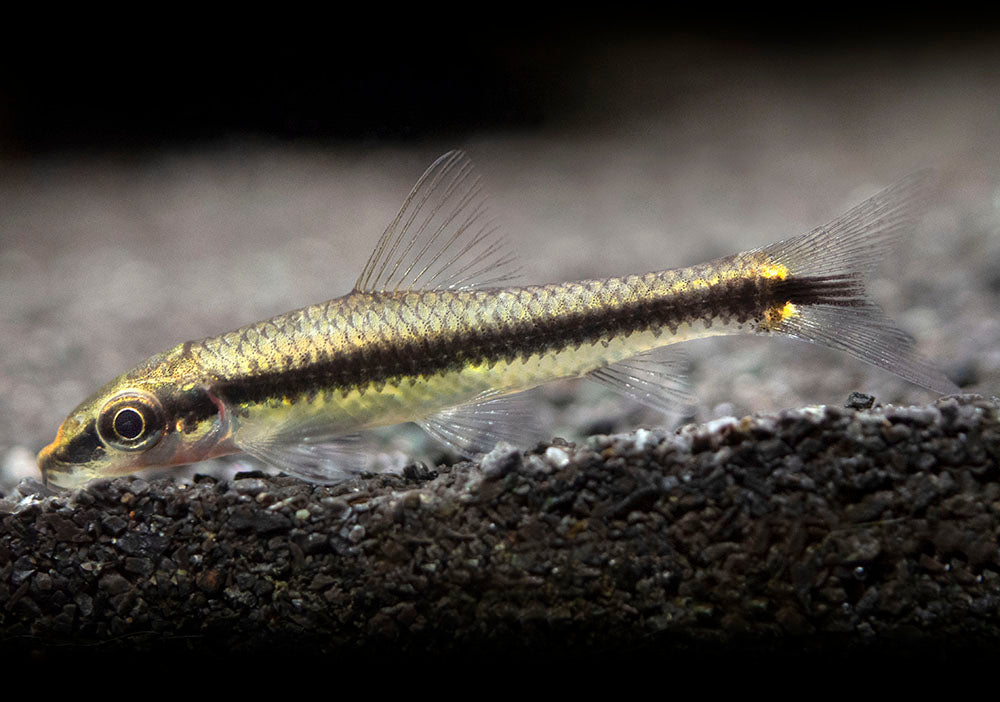
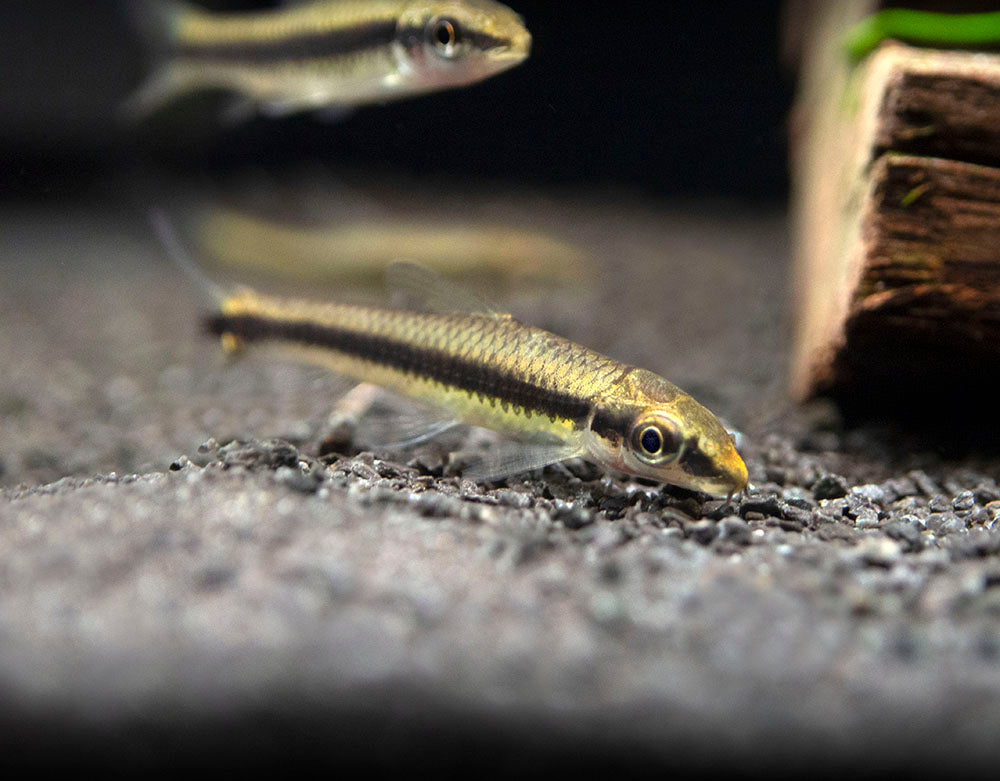
Siamese Algae Eater (Crossocheilus siamensis), Tank-Bred
- In stock, ready to ship
- Backordered, shipping soon
The Siamese Algae Eater is one of the best algae-eating fish in the aquarium hobby, and it is one of the very few fish that will eat the dreaded black beard algae!
- Voracious algae eater
- Will not eat ornamental plants
- Generally peaceful disposition with fish and peaceful larger invertebrates
- Very active and noticeable fish in any aquarium
- Very hardy
- Temperature: 72° - 79° F (22° - 26° C)
- pH: 6.5 - 7.5
- KH: 4 - 15 dKH
- Minimum tank size: 50 gallons
- Diet: Omnivorous. Will easily accept high quality dry and frozen foods as well as fresh vegetables. Should be fed mostly vegetable matter.
- Social behavior: Generally peaceful, schooling/shoaling as a juvenile. Can be somewhat territorial with its own kind or similar fish as an adult
- Origin: Tank-bred, but indigenous to Thailand and Malaysia
- Average adult size: 5.7 - 6 inches (14 - 16 cm)
- Average purchase size: 1 - 1.5 inches (2.5 – 5 cm)
All Aquatic Arts brand plants and animals come with a 100% live arrival guarantee, plus free email support!
Although our Siamese Algae Eaters (Crossocheilus siamensis) are Tank-Bred, this species is native to portions of Thailand, Malaysia, Laos, and surrounding regions of Southeast Asia. In the wild, Siamese Algae Eaters inhabit flowing streams, rivers, tributaries, and seasonally flooded waterways where they spend much of their time grazing on algae, biofilm, and organic matter growing on submerged surfaces.
These waterways are typically well-oxygenated and contain a mixture of rocks, driftwood, roots, aquatic vegetation, and open swimming areas. Seasonal fluctuations in water levels often create additional feeding opportunities as submerged surfaces become coated with algae and microorganisms.
The Siamese Algae Eater's reputation as one of the aquarium hobby's most effective algae-eating fish comes directly from its natural feeding behavior. In the wild, this species constantly grazes throughout the day, helping control algae growth while consuming biofilm and other naturally occurring food sources. This active grazing behavior is one of the reasons Siamese Algae Eaters are particularly well known for consuming nuisance algae, including Black Beard Algae, in established aquariums.
Siamese Algae Eaters thrive in aquariums that provide a combination of open swimming space, strong water movement, and abundant surfaces for grazing. Because this species is highly active throughout the day, a layout that balances swimming room with natural cover will encourage the most natural behavior.
We recommend incorporating driftwood, rounded river stones, cobbles, and rockwork to mimic the flowing streams and rivers where Siamese Algae Eaters naturally occur. These hardscape elements not only create visual interest but also provide valuable surfaces for algae and biofilm growth, allowing the fish to engage in its natural grazing behavior.
Unlike some algae-eating fish, Siamese Algae Eaters are generally very plant safe and can be excellent additions to planted aquariums. Hardy plants such as Java Fern (Microsorum pteropus), Anubias species, Cryptocoryne species, Vallisneria, Water Sprite (Ceratopteris thalictroides), and Amazon Sword Plants (Echinodorus spp.) all pair well with this species. The broad leaves and hardscape around these plants often become natural grazing areas.
Because Siamese Algae Eaters are known for their appetite for nuisance algae, including Black Beard Algae, they are particularly valuable in mature planted aquariums where algae management is an ongoing concern. Many aquarists intentionally incorporate driftwood, rocks, and planted areas throughout the aquarium to maximize grazing opportunities while maintaining a natural appearance.
An ideal aquarium for Siamese Algae Eaters features moderate to strong filtration, good oxygenation, open swimming lanes, natural hardscape, and plenty of grazing surfaces. This combination helps support their active lifestyle while showcasing the behavior that has made them one of the most respected algae-eating fish in the hobby.
The Siamese Algae Eater (Crossocheilus siamensis) is an omnivorous fish with a strong preference for algae, biofilm, and plant-based foods. In nature, this species spends much of its day grazing on algae-covered rocks, submerged wood, aquatic plants, and other surfaces where microorganisms and organic matter accumulate.
Siamese Algae Eaters are widely regarded as one of the best algae-eating fish in the aquarium hobby because they readily consume a variety of nuisance algae, including Black Beard Algae (BBA), filamentous algae, hair algae, and other soft algae types that many fish ignore. Younger specimens are often particularly effective algae grazers and may spend nearly the entire day foraging throughout the aquarium.
While algae is an important part of their diet, Siamese Algae Eaters should not be expected to survive on algae alone. As they mature, most specimens become more opportunistic feeders and require a varied diet to maintain proper body condition, coloration, and long-term health.
A quality feeding program should include algae wafers, spirulina-based foods, sinking herbivore pellets, vegetable-rich flakes, and other prepared foods designed for omnivorous fish. Siamese Algae Eaters will also readily consume blanched vegetables such as zucchini, cucumber, spinach, romaine lettuce, shelled peas, and squash.
Protein-rich foods should be offered in moderation rather than as a dietary staple. Occasional offerings of bloodworms, brine shrimp, daphnia, insect-based foods, and frozen omnivore preparations can provide additional variety, but the majority of the diet should consist of vegetable matter and algae-based foods.
A varied feeding routine helps support healthy growth, strong immune function, natural behavior, and continued grazing activity. Well-fed Siamese Algae Eaters are typically active, robust fish that continue contributing to algae control while thriving as long-term members of the aquarium community.
The Siamese Algae Eater (Crossocheilus siamensis) is generally considered a peaceful community fish that is compatible with a wide variety of freshwater aquarium species. Its active nature and constant grazing behavior allow it to occupy a unique niche within the aquarium while rarely competing directly with other fish for territory.
As juveniles, Siamese Algae Eaters are highly social and often display schooling or shoaling behavior. As they mature, a natural hierarchy develops within the group, and occasional chasing may occur as individuals establish dominance. For this reason, we recommend keeping Siamese Algae Eaters either singly or in groups of at least six specimens. Larger groups help distribute aggression and often result in more natural social behavior.
Excellent tank mates include:
• Angelfish (Pterophyllum scalare) – Peaceful South American Cichlid
• Rainbowfish (Melanotaenia spp.) – Active Midwater Schooling Fish
• Congo Tetra (Phenacogrammus interruptus) – Large Peaceful Schooling Fish
• Rosy Barb (Pethia conchonius) – Active Community Fish
• Denison Barb (Sahyadria denisonii) – Fast-Moving Riverine Species
• Pearl Gourami (Trichopodus leerii) – Peaceful Centerpiece Fish
• Clown Loach (Chromobotia macracanthus) – Social Bottom Dweller
• Corydoras Catfish (Corydoras spp.) – Peaceful Cleanup Crew Fish
• Bristlenose Pleco (Ancistrus spp.) – Algae-Grazing Bottom Dweller
• Most Community Tetras, Rasboras, and Danios – Compatible Schooling Fish
Siamese Algae Eaters are generally peaceful toward snails and larger invertebrates. We have found them to coexist well with Amano Shrimp (Caridina multidentata), Vampire Shrimp (Atya gabonensis), Flower Shrimp (Atyopsis moluccensis), and other larger shrimp species that are too large to be viewed as prey.
Because Siamese Algae Eaters may consume very small shrimp and shrimplets, they are not considered ideal tank mates for hobbyists attempting to maximize dwarf shrimp reproduction. This species should also not be confused with the more aggressive Chinese Algae Eater (Gyrinocheilus aymonieri), which has significantly different compatibility characteristics.
Ecosystem Match
Siamese Algae Eaters are excellent additions to planted aquariums, river-style aquariums, larger community aquariums, rainbowfish displays, barb communities, and aquariums where natural algae management is desired.
Siamese Algae Eaters (Crossocheilus siamensis) are not generally considered shrimp-safe fish, although compatibility depends largely on shrimp size, aquarium layout, and the age of the fish.
Adult Siamese Algae Eaters are opportunistic omnivores and may prey upon shrimplets, newly molted shrimp, and very small dwarf shrimp when the opportunity presents itself. Hobbyists focused on maximizing shrimp colony growth and reproduction should use caution when housing Siamese Algae Eaters with Neocaridina or Caridina shrimp colonies.
Larger shrimp species are often ignored. We have found Siamese Algae Eaters to coexist successfully with Amano Shrimp (Caridina multidentata), Vampire Shrimp (Atya gabonensis), Flower Shrimp (Atyopsis moluccensis), Green Lace Shrimp (Atyoida pilipes), and other larger filter-feeding shrimp that are too large to be viewed as prey.
Heavily planted aquariums with dense mosses, driftwood, and abundant hiding places may improve compatibility with dwarf shrimp, but some predation risk should always be expected.
Aquatic Arts Shrimp Safety Rating
Adult Shrimp: 4/10
Juvenile Shrimp: 2/10
Shrimplets: 1/10
Aquatic Arts Recommendation
We do not recommend Siamese Algae Eaters for dedicated dwarf shrimp breeding aquariums. However, Siamese Algae Eaters can often coexist with established colonies of larger shrimp species, particularly Amano Shrimp and other large filter-feeding shrimp, in spacious and heavily planted community aquariums.
Breeding Difficulty
Advanced
Reproduction Type
Egg Scatterer
The Siamese Algae Eater (Crossocheilus siamensis) is an egg-scattering species that reproduces in flowing river systems throughout its native range in Southeast Asia. During spawning, eggs are released and scattered among vegetation, rocks, and submerged structures where they develop without parental care.
Despite being a longtime favorite in the aquarium hobby, successful home breeding of the Siamese Algae Eater remains relatively uncommon. Most commercially available specimens are produced through specialized breeding programs that utilize large spawning groups, carefully controlled environmental conditions, and, in some cases, commercial aquaculture techniques that are difficult to replicate in the average home aquarium.
Mature Siamese Algae Eaters can be difficult to sex reliably, and little documented information exists regarding consistent natural spawning in home aquariums. For this reason, the species is generally considered significantly more challenging to breed than many common community fish.
While hobbyist breeding reports occasionally surface, most aquarists purchase Tank-Bred Siamese Algae Eaters rather than attempting to reproduce the species themselves. Hobbyists interested in breeding riverine fish species often find greater success with danios, barbs, rainbowfish, and other egg-scattering species before attempting Siamese Algae Eaters.
Can Siamese Algae Eaters Breed in Home Aquariums?
Occasionally, but successful home breeding is considered rare. Most Siamese Algae Eaters available in the aquarium hobby originate from professional breeding operations rather than hobbyist production.
Will Siamese Algae Eaters Breed in a Community Aquarium?
Spawning activity may occasionally occur, but successful egg and fry survival in a community aquarium is extremely unlikely due to predation and the specialized conditions typically required for reproduction.
Are Siamese Algae Eaters really one of the best algae-eating fish?
Yes. Siamese Algae Eaters (Crossocheilus siamensis) are widely considered one of the most effective algae-eating fish in the aquarium hobby because Siamese Algae Eaters consume a broad range of nuisance algae species that many other fish ignore.
Will Siamese Algae Eaters eat Black Beard Algae?
Yes. Siamese Algae Eaters are one of the very few fish known to consistently consume Black Beard Algae (BBA), making Siamese Algae Eaters a favorite among planted aquarium hobbyists.
Will Siamese Algae Eaters eat Hair Algae?
Yes. Siamese Algae Eaters commonly graze on Hair Algae, filamentous algae, and other soft nuisance algae throughout the aquarium.
Will Siamese Algae Eaters eat Staghorn Algae?
Many hobbyists report that Siamese Algae Eaters will consume Staghorn Algae, particularly when the algae is young and actively growing.
Will Siamese Algae Eaters eat Brown Algae?
Yes. Young Siamese Algae Eaters frequently consume soft brown algae and biofilm while grazing.
Will Siamese Algae Eaters eat Green Spot Algae?
Generally no. Siamese Algae Eaters are most effective against softer algae varieties rather than hard algae such as Green Spot Algae.
Do Siamese Algae Eaters stop eating algae as they get older?
As Siamese Algae Eaters mature, they become more willing to accept prepared foods, but most Siamese Algae Eaters continue grazing on algae and biofilm throughout their lives.
Are Siamese Algae Eaters better than Otocinclus?
Both species are excellent algae eaters. Otocinclus specialize in softer algae and remain much smaller, while Siamese Algae Eaters consume a broader range of algae, including Black Beard Algae.
Are Siamese Algae Eaters better than Bristlenose Plecos?
Siamese Algae Eaters are often preferred for Black Beard Algae control, while Bristlenose Plecos excel at consuming softer algae and biofilm.
What is the difference between a Siamese Algae Eater and a Flying Fox?
Siamese Algae Eaters (Crossocheilus siamensis) are generally more peaceful, more social, and significantly better algae eaters than Flying Foxes (Epalzeorhynchos kalopterus).
Which is better for algae control: Siamese Algae Eater or Flying Fox?
For most aquariums, Aquatic Arts recommends Siamese Algae Eaters because Siamese Algae Eaters are among the few fish that regularly consume Black Beard Algae.
What is the difference between a Siamese Algae Eater and an Oblong Siamese Algae Eater?
The True Siamese Algae Eater (Crossocheilus siamensis) and the Oblong Siamese Algae Eater (Crossocheilus oblongus) are closely related species with similar care requirements. However, many hobbyists consider the True Siamese Algae Eater to be the more reliable Black Beard Algae grazer.
What is the difference between a Siamese Algae Eater and a Chinese Algae Eater?
Chinese Algae Eaters (Gyrinocheilus aymonieri) often become aggressive as they mature, while Siamese Algae Eaters remain much better suited for community aquariums.
How can I identify a True Siamese Algae Eater?
True Siamese Algae Eaters typically display a black horizontal stripe that extends completely through the tail fin. Siamese Algae Eaters also lack the colorful fin edging commonly seen in Flying Foxes.
Why are Siamese Algae Eaters, Flying Foxes, and Oblong Siamese Algae Eaters often confused?
These species share similar body shapes and coloration, and they have historically been sold interchangeably in the aquarium trade.
Are Siamese Algae Eaters beginner friendly?
Yes. Siamese Algae Eaters are hardy, adaptable fish that are suitable for many beginner and intermediate aquarists.
How large do Siamese Algae Eaters get?
Adult Siamese Algae Eaters typically reach 5.7–6 inches (14–16 cm).
How long do Siamese Algae Eaters live?
With proper care, Siamese Algae Eaters often live 8–10 years or longer.
Are Siamese Algae Eaters peaceful?
Yes. Siamese Algae Eaters are generally peaceful community fish.
Are Siamese Algae Eaters schooling fish?
Juvenile Siamese Algae Eaters often display schooling behavior, while adult Siamese Algae Eaters are better described as shoaling fish.
How many Siamese Algae Eaters should I keep together?
Aquatic Arts recommends either a single Siamese Algae Eater or a group of at least six Siamese Algae Eaters.
Why is my Siamese Algae Eater chasing other Siamese Algae Eaters?
Adult Siamese Algae Eaters establish social hierarchies, so some chasing behavior is normal.
Can Siamese Algae Eaters be kept alone?
Yes. A single Siamese Algae Eater can thrive in a community aquarium.
What size aquarium do Siamese Algae Eaters need?
Aquatic Arts recommends a minimum aquarium size of 50 gallons for Siamese Algae Eaters.
Do Siamese Algae Eaters need strong water flow?
Siamese Algae Eaters thrive with moderate to high water flow and excellent oxygenation.
Do Siamese Algae Eaters jump?
Yes. Siamese Algae Eaters are capable jumpers and should be kept in aquariums with secure lids.
Do Siamese Algae Eaters eat aquarium plants?
No. Healthy Siamese Algae Eaters are generally considered plant safe.
Are Siamese Algae Eaters safe for planted aquariums?
Yes. Siamese Algae Eaters are among the most popular algae-eating fish for planted aquariums.
What do Siamese Algae Eaters eat besides algae?
Siamese Algae Eaters readily consume algae wafers, spirulina foods, vegetable-based pellets, flakes, and fresh vegetables.
Can Siamese Algae Eaters eat fish flakes?
Yes. Siamese Algae Eaters readily accept quality flakes, especially foods containing vegetable matter.
What vegetables can I feed a Siamese Algae Eater?
Siamese Algae Eaters enjoy zucchini, cucumber, spinach, squash, green beans, and shelled peas.
How often should I feed Siamese Algae Eaters?
Siamese Algae Eaters should receive supplemental foods daily even when algae is available.
Do Siamese Algae Eaters need algae wafers?
Algae wafers are highly recommended because Siamese Algae Eaters should not rely exclusively on aquarium algae.
Are Siamese Algae Eaters shrimp safe?
No. Siamese Algae Eaters may prey on shrimplets, juvenile shrimp, and occasionally small dwarf shrimp.
Can Siamese Algae Eaters live with Amano Shrimp?
Yes. Siamese Algae Eaters generally coexist well with adult Amano Shrimp.
Can Siamese Algae Eaters live with Vampire Shrimp?
Yes. Siamese Algae Eaters are generally compatible with Vampire Shrimp and other large filter-feeding shrimp.
Can Siamese Algae Eaters live with snails?
Yes. Siamese Algae Eaters typically ignore most aquarium snails.
Can Siamese Algae Eaters live with Angelfish?
Yes. Siamese Algae Eaters and Angelfish are often excellent tank mates.
Can Siamese Algae Eaters live with Discus?
Yes. Siamese Algae Eaters are commonly used in Discus aquariums because of their algae-eating abilities and peaceful nature.
Can Siamese Algae Eaters live with Rainbowfish?
Yes. Rainbowfish make excellent companions for Siamese Algae Eaters due to their similar activity levels.
Can Siamese Algae Eaters live with Corydoras?
Yes. Siamese Algae Eaters and Corydoras occupy different areas of the aquarium and coexist very well.
Can Siamese Algae Eaters live with Bristlenose Plecos?
Yes. Siamese Algae Eaters and Bristlenose Plecos are commonly maintained together.
Can Siamese Algae Eaters breed in aquariums?
Breeding Siamese Algae Eaters in home aquariums is uncommon and is generally considered an advanced undertaking.
Are Tank-Bred Siamese Algae Eaters better for aquariums?
Tank-Bred Siamese Algae Eaters are typically well adapted to aquarium life and readily accept prepared foods.
Would Aquatic Arts recommend Siamese Algae Eaters for my aquarium?
Aquatic Arts highly recommends Siamese Algae Eaters for larger planted aquariums, community aquariums, and aquariums struggling with nuisance algae, particularly Black Beard Algae.
How are Siamese Algae Eaters shipped?
Siamese Algae Eaters ship via UPS Next Day Air and are carefully packed in insulated shipping materials.
Are Siamese Algae Eaters covered by the Live Arrival Guarantee?
Yes. Every Siamese Algae Eater is backed by the Aquatic Arts 100% Live Arrival Guarantee.
For the safety of our animals, we only ship live fish, crabs, and select other inverts exclusively via UPS 1 Day Air. If your order contains this item, you will only see UPS 1 Day Air as a shipping option during checkout. If other items are in your cart that can ship with 2 day or standard shipping options the only shipping method you can still select is UPS 1 Day Air.
UPS 1 Day is a description of the duration of time a shipment will spend in transit once it has been shipped. This does not guarantee the package will be shipped the same or next day from which the order was placed.
Shipping Schedule for this service
Current Handling Time:
1-9 business days
Here at Aquatic Arts, we consider the welfare of the live animals we are shipping to be of the foremost importance. This process is much more involved than simply creating a shipping label and affixing it to a box. Depending on the order, it takes from 4 to 7 people to complete this process properly. We check the weather conditions here where they fly out of the Indianapolis UPS facility and the destination for each shipment. We start early each morning and go through a multi-step process to have the day's shipments prepared in time for the UPS pickup. The volume of orders in our system also affects the processing time. Therefore our stated handling time is 1-9 business days.
Shipping Rate
Pricing is by size of package needed to fill entire order and distance it must travel. It will be calculated at checkout.
We stand behind the health and quality of every fish we ship. Each Siamese Algae Eater (Crossocheilus siamensis) is carefully quarantined, observed, and conditioned before leaving our facility to help ensure it arrives healthy and ready to thrive in its new home.
Every order is backed by our 100% Live Arrival Guarantee. If an issue occurs during transit, please email photos of the animal and packaging within the timeframe outlined in our policy to info@aquaticarts.com so our team can assist you.
Every fish order ships in our specially designed Aquatic Arts Live Arrival Guarantee Box at no additional charge. This insulated shipping system helps protect your fish from temperature fluctuations during transit and is included free with every qualifying order.
For complete guarantee details, reporting requirements, and claim deadlines, please review our Live Arrival Guarantee Policy:
https://aquaticarts.com/policies/refund-policy
In addition to our Live Arrival Guarantee, every purchase includes access to our experienced support team. Whether you have questions about acclimation, aquarium setup, compatibility, feeding, breeding, algae control, or long-term care, we are here to help you succeed.
Best Fishes,
The Aquatic Arts Team
